






 Portuguese
  Spanish


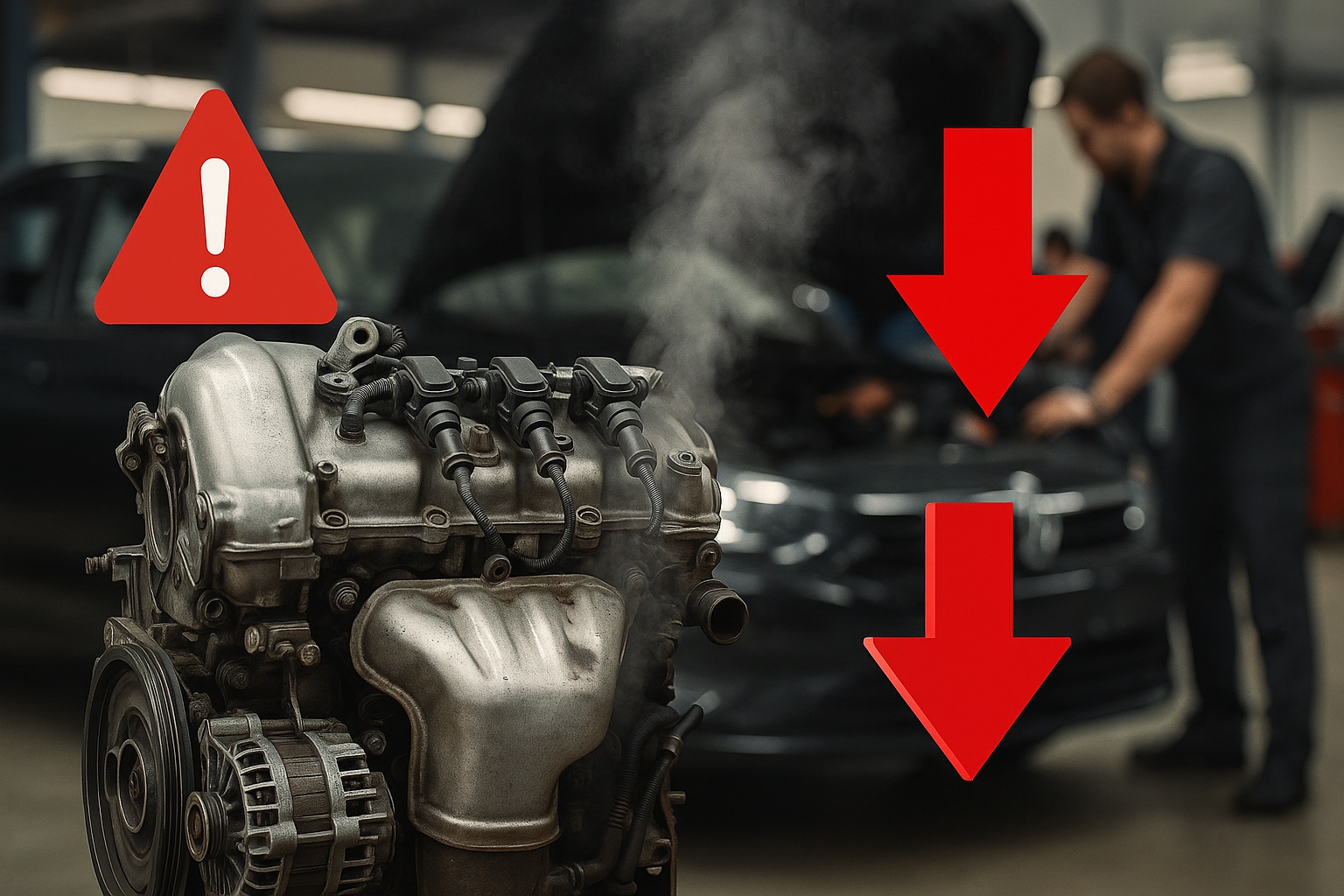


Specialists From Procon and Workshops Point Out the 3 Cylinder Engines That Break the Most in 2025 in Brazil. Know Which Are the Engines With the Highest Risk of Failure, the Losses for Drivers, and How to Avoid Spending Up to R$ 15 Thousand on Repairs
The 3-cylinder engines that break the most in 2025 are at the center of consumer complaints at Procon and specialized workshops in Brazil. Although they have won the market by promising fuel economy and performance, some of these engines have chronic defects that can lead to premature failure and generate high costs, reaching R$ 15 thousand in engine repairs.
According to complaint records from consumer protection agencies, five engines stand out negatively: Renault SCe 1.0, Peugeot PureTech 1.2, GM 1.0 aspirated and turbo, Ford 1.0 from the first generation, and Fiat Firefly.
Today we will detail the main problems of each one, the impact on Brazilian drivers, and what to consider before buying or maintaining a vehicle equipped with these engines.
-
Sales of Brazil’s Cheapest Electric Car Halted Before First Deliveries: E-Motors Suspends Emova Easy Due to Import Tax Increase and Rising Freight Costs

-
Nissan Discontinues Qashqai SUV Amid Cost-Cutting, Chinese Competition, and Product Line Review

-
BYD Patents Revolutionary System Using Computer Vision to Detect Animals Under Cars Before Starting, Preventing Tragedies

-
Study Reveals Why Cars Are More Expensive to Produce and Buy in Brazil Compared to Mexico, Highlighting Taxes, Logistics, and Industrial Costs as Key Factors.


The Popularity of 3 Cylinder Engines in Brazil

In the last ten years, almost all automakers operating in Brazil adopted three-cylinder engines. The goal was clear: reduction of fuel consumption and emissions without significantly compromising performance.
Compared to traditional four-cylinder engines, these engines have less internal friction, lower weight, and often feature technologies such as direct injection, turbocharging, and variable valve timing.
However, not all projects have been successful. In some cases, the quest for efficiency led to technical choices that resulted in recurring failures, harming reliability and increasing maintenance costs.
Renault SCe 1.0 – Overheating and Risk of Blowing
The Renault SCe 1.0, found in models like Kwid, Sandero, and Logan, has accumulated reports of cooling failures. Workshops report cases where the cooling system fails, compromising the cylinder head and leading to the need for a complete rebuild.
For drivers using the car in heavy traffic in large cities, extra attention is required. Experts recommend keeping maintenance up to date and watching for any signs of coolant loss.
Peugeot PureTech 1.2 – Expensive Maintenance and Failures in the Timing
The Peugeot PureTech 1.2, adopted by Stellantis in models like Peugeot 208 and Citroën C3, has been acclaimed in Europe for its efficiency but presents challenges in Brazil.
Specialized workshops report issues with the variable valve timing system and premature wear of the timing chain. This defect can generate noise, loss of power, and, in extreme cases, irreversible damage.
Maintenance is considered expensive, as many parts need to be imported. Additionally, qualified labor is limited, increasing repair time. A complete repair can exceed R$ 12 thousand, making the model less attractive in the used car market.
GM 1.0 Aspirated and Turbo – One of the Engines That Break the Most
Chevrolet popularized its 1.0 aspirated and turbo engines in models like Onix, Prisma, and Tracker. Despite successful sales, independent and authorized workshops report lubrication problems that lead to premature wear of the engine assembly.
In the most severe cases, there are reports of crankshaft locking, requiring complete engine replacement. Another recurring issue is carbon buildup on intake valves, which affects performance and causes operational failures.
Consumers report losses that can reach R$ 15 thousand in repairs. Procon has already received hundreds of complaints involving these engines, mainly related to durability below expectations for vehicles with low mileage.
Ford 1.0 First Generation – Chronic Overheating
The 1.0 three-cylinder engine, used in models like the Ford Ka SE, has shown recurring failures in the cooling system, especially in the electric fan. In a long-term test conducted by Quatro Rodas magazine, the vehicle showed overheating during a trip, with the temperature gauge activated and steam coming from the engine compartment.
The analysis revealed that the failure was caused by the burning of the electric fan fuse, compromising the cooling system’s function. Ford acknowledged the issue and recommended replacing the 30-amp fuse with a 40-amp one, along with replacing the electric fan and damaged hoses.
In addition, owner reports in specialized forums indicate that overheating can lead to burning of the head gasket, requiring significant repairs. In some cases, engine replacement was necessary due to damage caused by overheating.
Fiat Firefly – Among the Engines That Break the Most in 2025
Finally, the Fiat Firefly, adopted in models like Argo, Cronos, and Uno, also features among the problematic engines in Brazil.
The main reports from workshops are related to abnormal oil consumption, even in vehicles with low mileage. Additionally, there are records of fuel pump failures, which can cause sudden power loss.
Although it is a modern engine with good fuel efficiency, its reliability has been questioned by drivers who faced expensive repairs early in their usage.
3 Cylinder Engines That Break the Most: Direct Impact on the Consumer
Engine failure is one of the most serious scenarios for any driver. Besides the high cost, which can vary from R$ 8 thousand to R$ 15 thousand, many consumers face depreciation of the vehicle upon resale.
According to data from Fenabrave, in the first quarter of 2024, more than 188 thousand brand-new cars equipped with 1.0 three-cylinder engines were registered in Brazil, which represents over 50% of the passenger cars sold during the period. This means that thousands of drivers are potentially exposed to costly mechanical problems.
Besides the complaints at Procon, automotive forums and social media have numerous reports of dissatisfied consumers, highlighting the importance of attention to maintenance history before purchase.
How to Reduce the Risk of Loss With Engines
Experts recommend some precautions to reduce risks:
Timely Maintenance: strictly follow the maintenance schedule indicated by the manufacturer.
Original Oil and Filters: always use quality parts and lubricants specified for the engine.
Attention to Noises and Failures: unusual noises or power loss should be investigated immediately.
Vehicle History: before buying used, check maintenance records and any repairs already made.
The engines that break the most are examples of how modernity and the promise of efficiency do not always guarantee long-term reliability. Renault SCe 1.0, Peugeot PureTech 1.2, GM 1.0 aspirated/turbo, Ford 1.0 from the first generation, and Fiat Firefly accumulate reports of serious failures that can cause significant losses to Brazilian drivers.
Now more than ever, it is crucial for consumers to seek reliable information before acquiring or maintaining a vehicle with these engines. Preventive attention can avoid expenses that reach up to R$ 15 thousand and preserve the car’s value in the used market.


Não conheço um mecânico que fale bem destes motores de 3 cilindros.