Portuguese
  Spanish


Animal Has Unique Ability to Rejuvenate Its Cells and Organs, Sparking Interest in Areas Like Regenerative Medicine and Biotechnology
As human aging progresses, inevitable changes occur. Loss of neurons, muscle weakening, decline in fertility, and reduced regenerative capacity are natural effects of time. Even with advances in animal studies, it has not yet been possible to completely reverse aging in blood cells or throughout the organism.
But a new study led by Longhua Guo, assistant professor of Molecular Physiology and Cellular Biology at the University of Michigan Medical School, raises an intriguing possibility.
He and his team have been dedicated to studying planarians, worms known for their ability to regenerate body parts. In some cases, they can even form a new head after decapitation.
-
OnePlus N6 Smartphone to Launch in India with 8,000mAh Battery and 45W SuperVOOC Charging, Lasting Up to Three Days

-
Scientists Plan to Release Air Bubbles Underwater to Protect Antarctica’s “Doomsday Glacier” from Melting

-
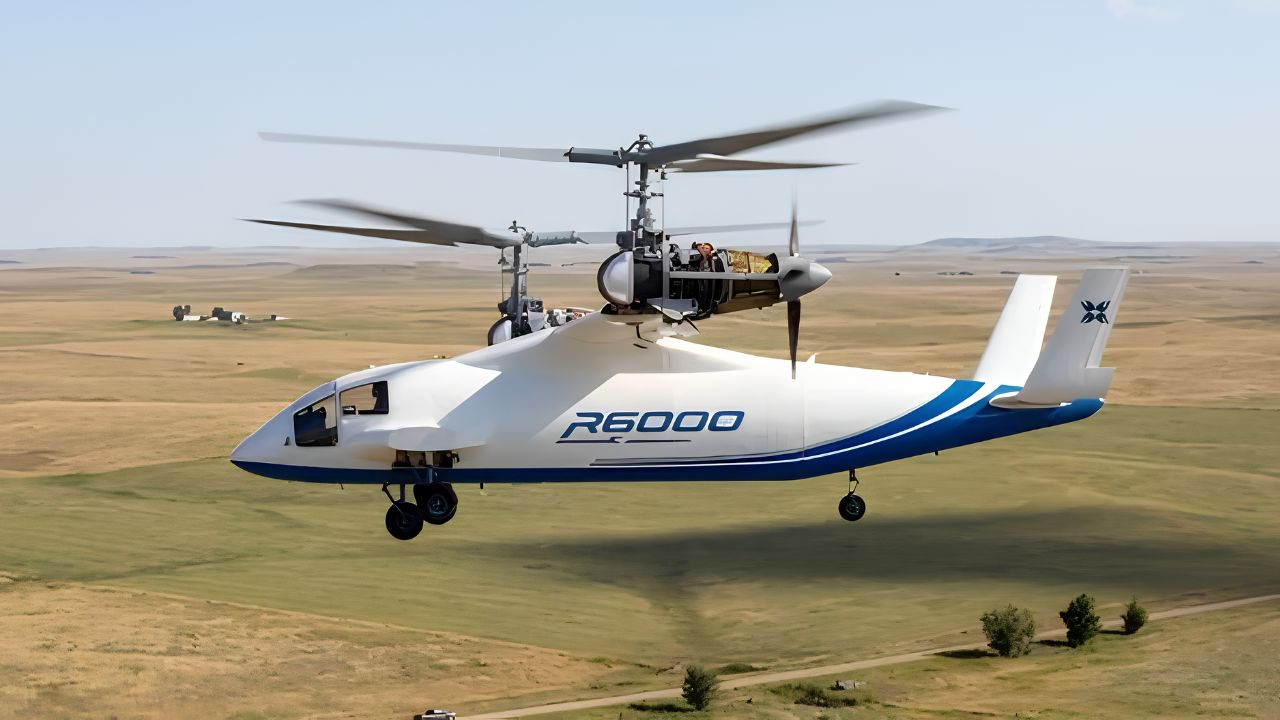
Chinese R6000 Drone Combines Airplane and Helicopter Features, Carries Up to 12 People for Multiple Missions
-
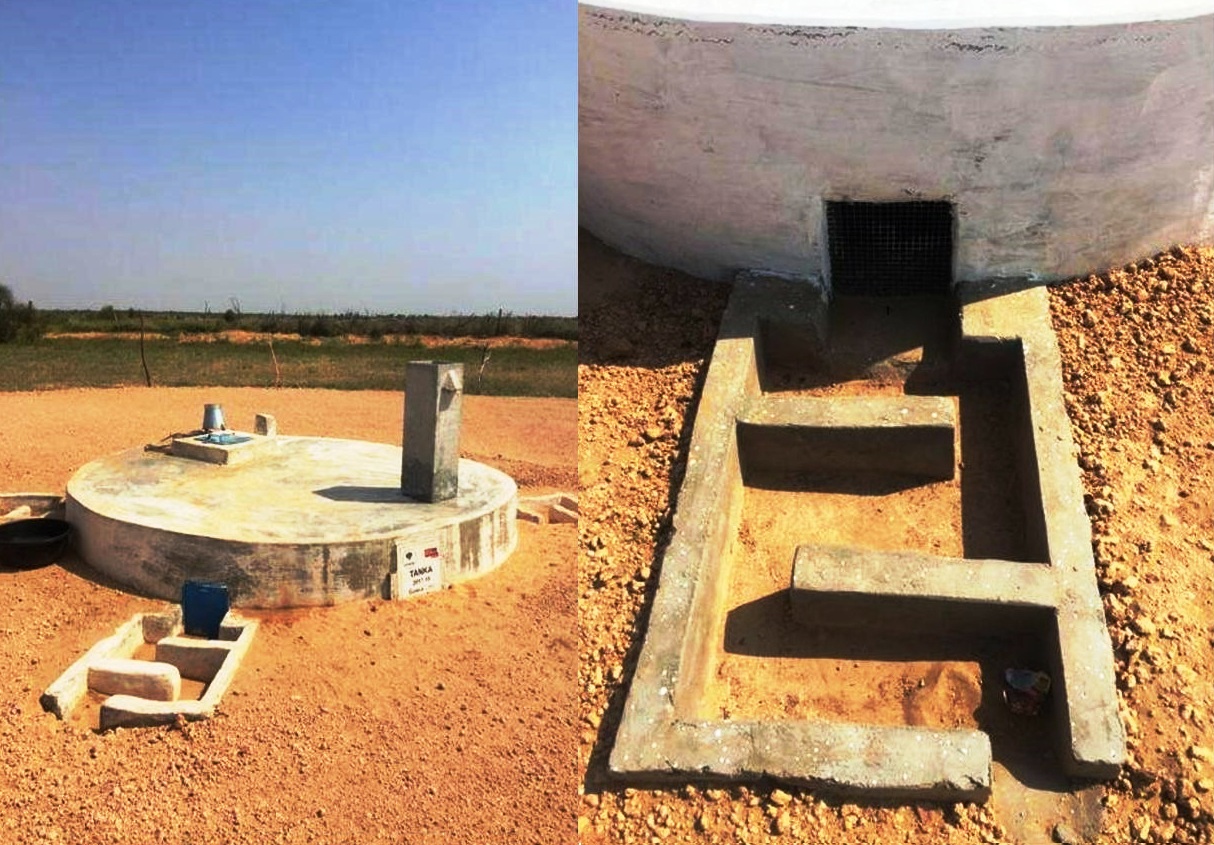
In the World’s Most Densely Populated Desert, Families Dig Funnel-Shaped Underground Cisterns to Capture Rare Rainfall and Store Drinking Water for Up to Eight Months



According to Guo, this phenomenon has been known for over a century. However, little was known about what allows this regeneration and how it relates to longevity.
As a member of the university’s Gerontology Institute, he believes that planarians could help understand the mechanisms of human aging and regeneration.
An Organism with Signs and Reversals of Aging
Guo’s laboratory began studying a variety of planarians that reproduce sexually. This allowed for tracking the aging process from the very beginning of life, starting from the zygote stage.
Between fertilization and 18 months of life, the planarians showed signs similar to aging in mammals. There was loss of neurons and muscles, as well as a decrease in fertility. One of the most visible signs was the deformation of the eyes over time.
However, when the heads of the older planarians were removed, researchers noticed something surprising: the eyes that emerged on the new regenerated heads were normal.
And not only that. The regenerated planarians showed improvements in fertility and physiological functions compared to those that did not undergo this process.
These results were described by the team in the journal Nature Aging. The research also indicated that, unlike mammals, planarians do not lose adult stem cells as they age. Regeneration, according to Guo, reverses age-associated changes in various tissues.
“In the older planarians, they not only did not lose their regenerative capacity, but they can still regenerate completely, which is different from many existing species, suggesting that they have mechanisms to sustain longevity and healing even at much older ages,” said the researcher.
Similarities with Mammals
The team also compared genetic data from planarians with information from mice, rats, and humans. They also included mice that underwent interventions to prolong life.
It was found that the aging signatures of planarians were similar to those of aged mammals. More interestingly, planarians also share characteristics with mice that lived longer due to specific treatments.
The team’s next step will be to identify which genes and cells are linked to the reversal of aging in planarians. According to Guo, this could pave the way for new possibilities.
With information from SciTechDaily.