Portuguese
  Spanish


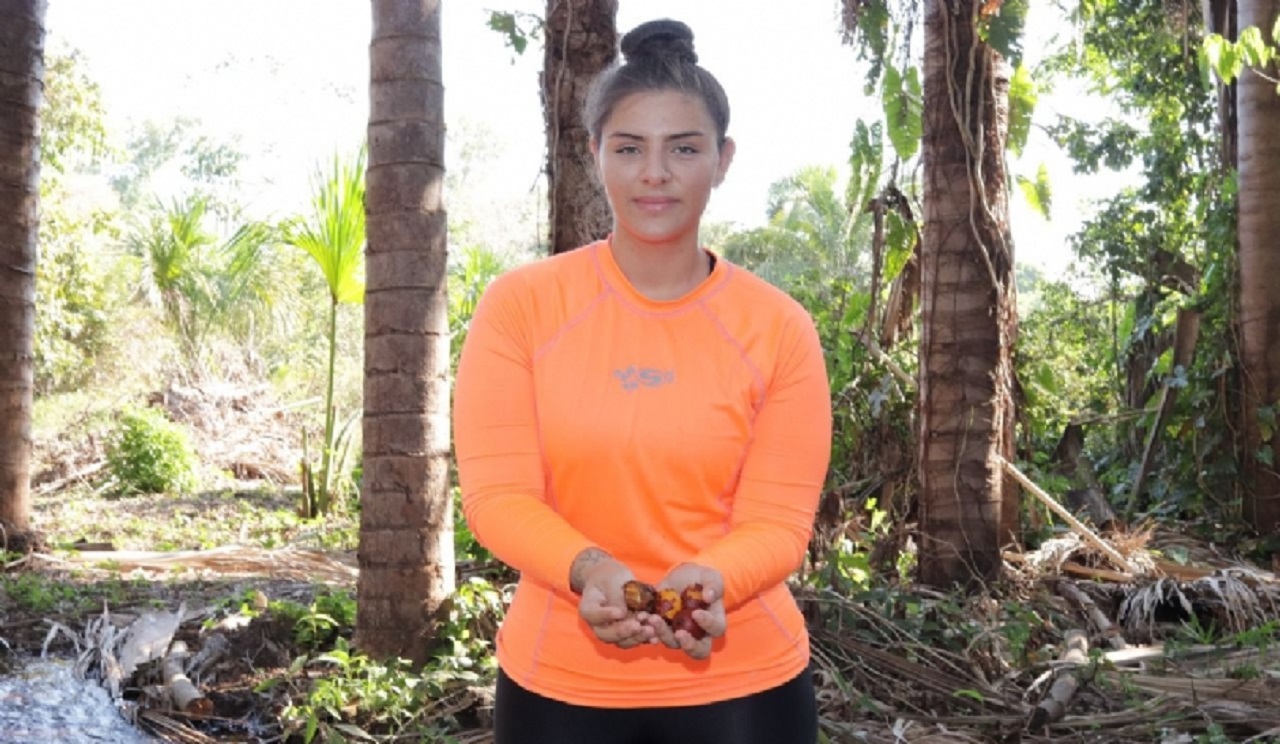

Maranhão Student Successfully Produces Plastic Without Using Petroleum Derivatives, Utilizing One of the State’s Typical Fruits, the Buriti.
Seventeen-year-old student Ana Beatriz de Castro Silva, who lives in Imperatriz, Maranhão, has been using Buriti for scientific studies since 2018, employing nanotechnology to create a sustainable product, and her results have been incredible. The student’s project, guided by professor Zilmar Timóteo, is among nearly 500 finalists in the 20th edition of FEBRACE, set to take place on March 26. The project’s goal is to replace petroleum-derived plastic in some objects where it is used as raw material.
Read Also
- IFCE in Ceará Studies the Use of Banana Peel to Replace Petroleum-Derived Products
- After the Invasion of Ukraine by Russia, the United States Worked with 30 Other Countries to Release 60 Million Barrels of Oil from Reserves Worldwide to Curb Prices and Stabilize the International Market
- The Oil Era Will End Much Sooner Than Oil Runs Out: To Achieve the Zero Emission Target, There Will Be a 75% Cut in Oil Demand by 2050, Leaving Brazil, Venezuela, Ecuador, and Colombia in an Uncomfortable Position
- Contrary to the Promise to End Dependence on Oil, Experts Say Synthetic Gasoline Pollutes Just as Much as Regular Gasoline
- Researchers Suggest Using Resin as an Alternative to Replace Oil Worldwide
Understand How the Maranhão Student Developed Plastic from Buriti Pulp
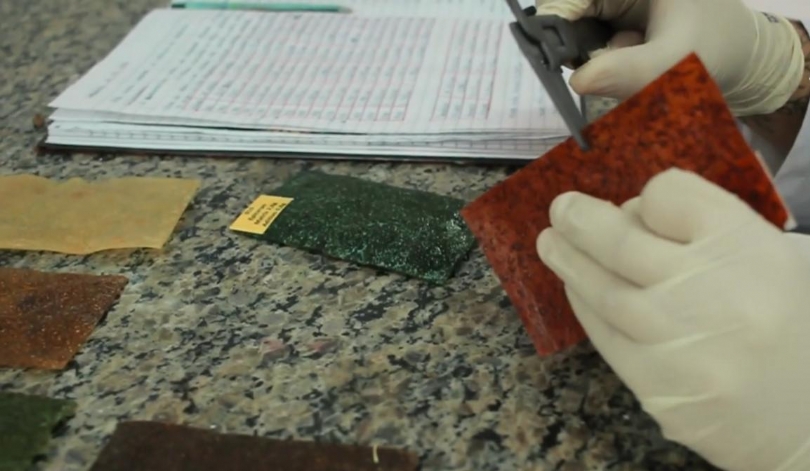
Beatriz claims that she has been studying buriti for a long time and has developed other projects using the stalk; however, she had not thoroughly studied the film between the seed and the peel. The student states that she could not remain idle upon seeing her world destroyed by petroleum-derived plastics.
The raw material was developed from the film surrounding the fruit’s pulp, typical of the cerrado and commonly found in Maranhão. The student also developed a resistant plastic from the buriti shell, making it possible to create flooring and wall coverings. Additionally, she created a biofilm from the fruit’s pulp.
-
Wood-Look Aluminum Emerges as a High-Tech Alternative for Facades and Gates, Offering Sophisticated Aesthetics and Low Maintenance

-
Couple Transforms 1964 Concrete Water Tower into Four-Bedroom Home with Views of London Over Four Years

-
U.S. City Builds Tiny Home Village on Water Company Land to House 136 Homeless People: Inside the Social Housing Units
-
Woman Turns Shipping Container into Home, Embraces Rural Life to Cut Monthly Expenses to Just Over $330




Beatriz characterized the biopolymers biotechnologically, testing opacity, mechanical properties, chemical resistance, and soil degradation capacity, and remarkably, the results of the petroleum-free plastic were satisfactory, allowing the product to be used by the pharmaceutical and polymer industries without harming the environment. The Maranhão student’s plastic can decompose in water in up to 15 days and in soil in up to 20 days.
Maranhão Student Excited to Participate in FEBRACE
According to Beatriz, with the search for sustainable plastic without petroleum derivatives, industries are looking for technology that does not harm the environment. The student states that she has always had this curiosity and desire to contribute to improving the world. She also expresses excitement about her participation in the renowned fair.
It is worth mentioning that the most outstanding projects at FEBRACE in various categories will be awarded trophies, medals, internships, and scholarships. There are approximately 300 prizes and opportunities both in Brazil and abroad. From this total, nine projects will be chosen for the Regeneron ISEF, the world’s largest science fair.
Beatriz Has Already Won Several Prizes
Before developing the plastic that does not use petroleum derivatives, the student competed with over 2,000 students from various countries last year at ISEF, gaining recognition with her project that utilized buriti fiber. As a prize, Beatriz won a summer camp immersion at a state school in California.
The student also has national and international awards through her Bio Composite project and even a Latin American Nobel. It is worth noting that the student completed high school last year.