Portuguese
  Spanish


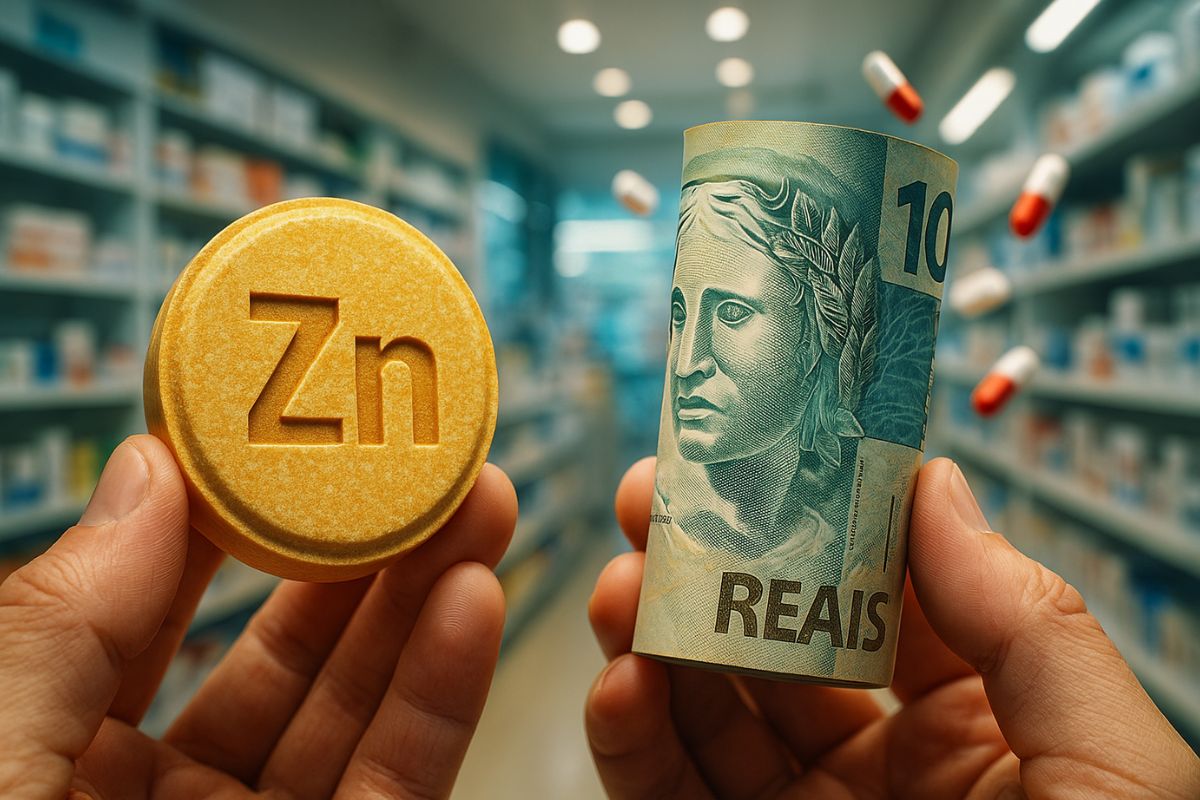

New Study Confirms That Magnesium Can Reduce Up To R$ 1,200 Per Year In Palliative Medication Expenses
Do you often feel fatigued, have recurring cramps, insomnia, or constant anxiety? Many resort to various medications to deal with each symptom in isolation. However, researchers and nutritionists warn: the root of several of these problems could lie in the deficiency of a single mineral, which costs about R$ 40 per month.
Magnesium, referred to as the “master of minerals”, is at the center of more than 300 reactions in the human body, and its deficiency can cause unnoticed impacts. This article reveals the direct impact that this mineral can have on your physical, mental, and financial health — and why its absence can be costly.
Why Is Magnesium So Important?
Despite being the fourth most abundant mineral in the human body, magnesium has never received the attention of calcium or vitamin C. It works behind the scenes, regulating functions such as energy production, muscle relaxation, bone formation, glucose control, and neurological balance.
-
Brazil to Install First Operational Quantum Computers in the Northeast and Establish New Center to Boost Technological Sovereignty

-
Potential Starlink Rival: Company Tests 60-Meter Balloon to Deliver 5G Internet Without Satellites, Prepares for Unprecedented Mission in Japan
-
Android Phones Can Detect Earthquakes Before You Feel Them: How Accelerometers in Billions of Devices Confirmed Two Strong Quakes in Venezuela and Warned Residents Seconds in Advance

-
Scientists Warn WHO: Cat-Linked Parasite Infects One-Third of Global Population, Poses Risks to Vision, Pregnancy, and Neurological Health



The Brazilian soil is naturally poor in magnesium, which means that even those who maintain a varied diet may not reach the ideal levels. It is estimated that more than half the population does not consume the recommended amount of this nutrient.
How Much Does It Cost And How Much Can You Save?
A bottle of Dimalate or Bisglycinate magnesium, with a monthly dose, costs on average R$ 40 to R$ 60. In contrast, those who exhibit symptoms related to deficiency may spend:
- R$ 15 to R$ 30 on painkillers for muscle pains
- R$ 20 to R$ 40 on muscle relaxants
- R$ 40 to R$ 70 on sleep supplements
In other words, it is common to spend more than R$ 150 per month trying to solve what a single mineral could prevent. The potential savings exceed R$ 1,200 per year, considering only direct pharmacy costs — not to mention the impact on quality of life.
What Problems Does Magnesium Help To Prevent?
Magnesium deficiency is associated with chronic and silent diseases, such as:
- Type 2 Diabetes
- High Blood Pressure
- Osteoporosis
- Migraines
- Metabolic Syndrome
- Sleep Disorders
Studies published in scientific journals such as Magnesium Research and Nutrients confirm that adequate replenishment of this mineral improves glycemic control, reduces inflammation, and contributes to the regulation of the central nervous system.
Which Foods Are Rich In This Mineral?
Although supplements are an effective option, it is possible to increase magnesium intake through foods such as:
- Pumpkin and sunflower seeds
- Spinach and kale
- Almonds and Brazil nuts
- Bananas, avocados, and beans
However, due to the mineral deficiency of Brazilian soil, the nutritional density of vegetables grown in the country may be insufficient — which explains why even healthy individuals exhibit deficiency.
Does The Supplement Market Confirm The Trend?
The global magnesium supplement market has already surpassed US$ 5 billion, driven by the search for natural alternatives to improve sleep, immunity, and energy. According to Euromonitor, Brazil is one of the countries with the highest growth in the sector, especially among adults aged 30 to 60 concerned with well-being and prevention.
Is It Worth Investing In Magnesium?
According to experts, yes. The investment is small, the return is high, and the risk is almost nonexistent. Unlike medications with side effects, magnesium, when taken correctly and with guidance, shows excellent tolerance and great therapeutic potential.
The recommendation is always to seek medical or nutritional guidance to evaluate the need, the most suitable type (such as chelated, dimalate, or chloride), and the correct dosage.
Have you ever thought that a cheap mineral could replace several medications? Do you think it’s worth investing in prevention? Share your experience in the comments — your story may help others.