Portuguese
  Spanish


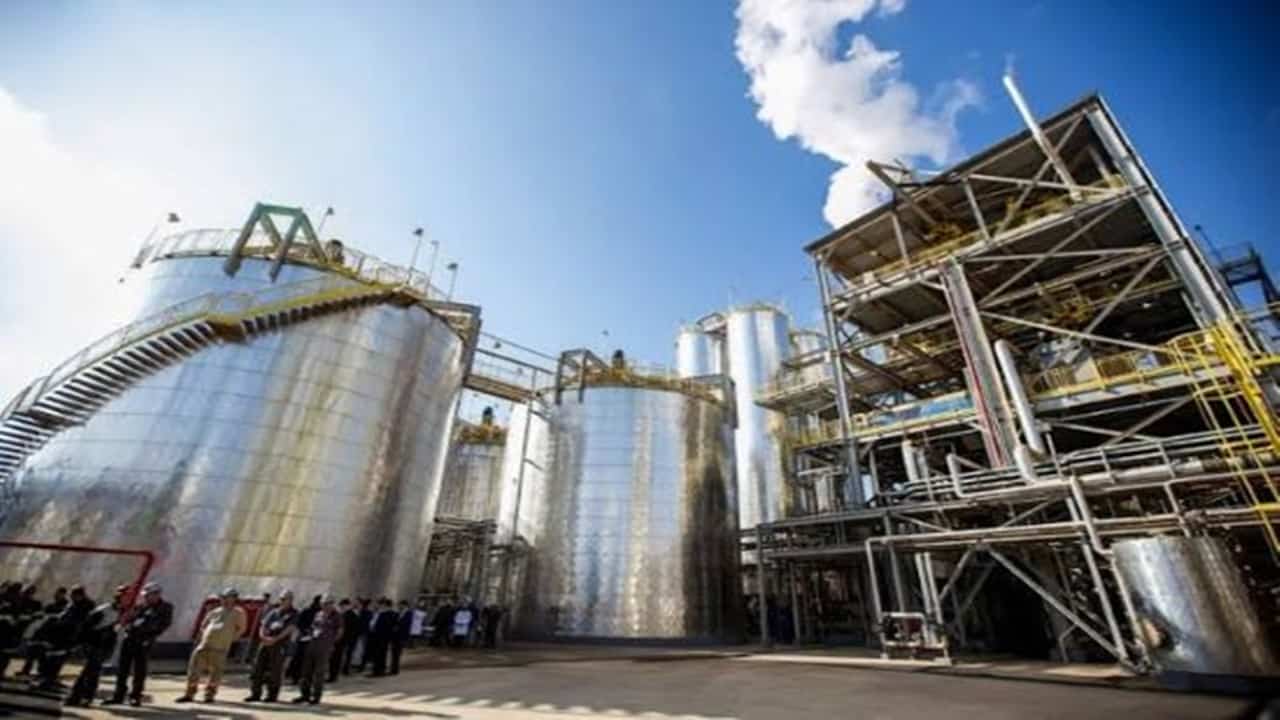

Sugarcane Ethanol, A Product That Brazil Masterfully Dominates, Is More Economically Competitive and Has Higher Combustion Power
The Brazil will be able to play an important role in the production of sustainable aviation fuels (SAF), in the route known as ATJ (alcohol-to-jet), which uses ethanol as a basis. This is a bet by the American company Honeywell.
“Ethanol can be a key element for new generations of fuels (…) And Brazil can play an important role as the second largest producer of ethanol in the world,” said Amanda Copperthite, global vice president of strategy and sustainable solutions at Honeywell, during an event held this month by the company in São Paulo.
450 Billion Liters of HEFA Per Year Will Be Needed to Meet Decarbonization Targets
The ATJ route has been pointed out as the only viable solution, in the short term, to meet the international aviation goal of carbon neutrality by 2050. Today, the most targeted route for SAF production is that which generates HVO — hydrotreated vegetable oil.
-
Giant Batteries Take Center Stage in Chile Auction as Company Offers 960 GWh of Solar Energy for Nighttime Use, Aiming to Stabilize Solar Power Supply

-
After a Year of Success in Switzerland, Solar Railway Attracts Italy’s Interest for Clean Energy Transformation
-
Brazil to Introduce B16 Diesel with Increased Soybean Oil Content for Trucks by 2026
-
Robots Clean Solar Panels in Desert Power Plants Without Water, Preventing Energy Losses



However, on its own, the HVO route — better known as HEFA, due to its use of oils, mainly soybean oil, or inedible animal fats — will not be sufficient. According to the International Air Transport Association (IATA), the world currently produces only 100 million liters of SAF per year. For this sector to reach its targets by 2050, 450 billion liters will be needed.
“If we use 100% of the amount of commodities that are available globally to produce SAF based on the HVO route, we might only be able to produce about 5% of the global aviation fuel needs,” explained José Magalhães Fernandes, vice president and general manager of Honeywell Performance Materials and Technologies in Latin America, in an interview with the epbr agency.
The vice president explains that ethanol from sugarcane, a product that Brazil masterfully dominates, is more economically competitive and has a higher combustion power than corn-based ethanol — whose main reference in the global market is the United States.