






 Portuguese
  Spanish
  3 min of reading
  0 comments


The New Electrolyzer, The Largest in Europe, Can Produce 8,000 Tons of Hydrogen Annually, Driving the Advancement of Renewable Energies and the Decarbonization of Industry on the Continent
BASF, a chemical industry giant, has announced the implementation of the largest green hydrogen electrolyzer in Europe. The project, developed in partnership with Siemens Energy, has a production capacity of up to one metric ton of hydrogen per hour, significantly reducing the carbon emissions of chemical production.
The Proton Exchange Membrane (PEM) electrolyzer has a power of 54 megawatts (MW) and has been integrated into BASF’s main plant in Ludwigshafen, Germany.
With this infrastructure, the company aims to advance the transition to a low-carbon economy and meet the growing demand for emissions-free hydrogen.
-
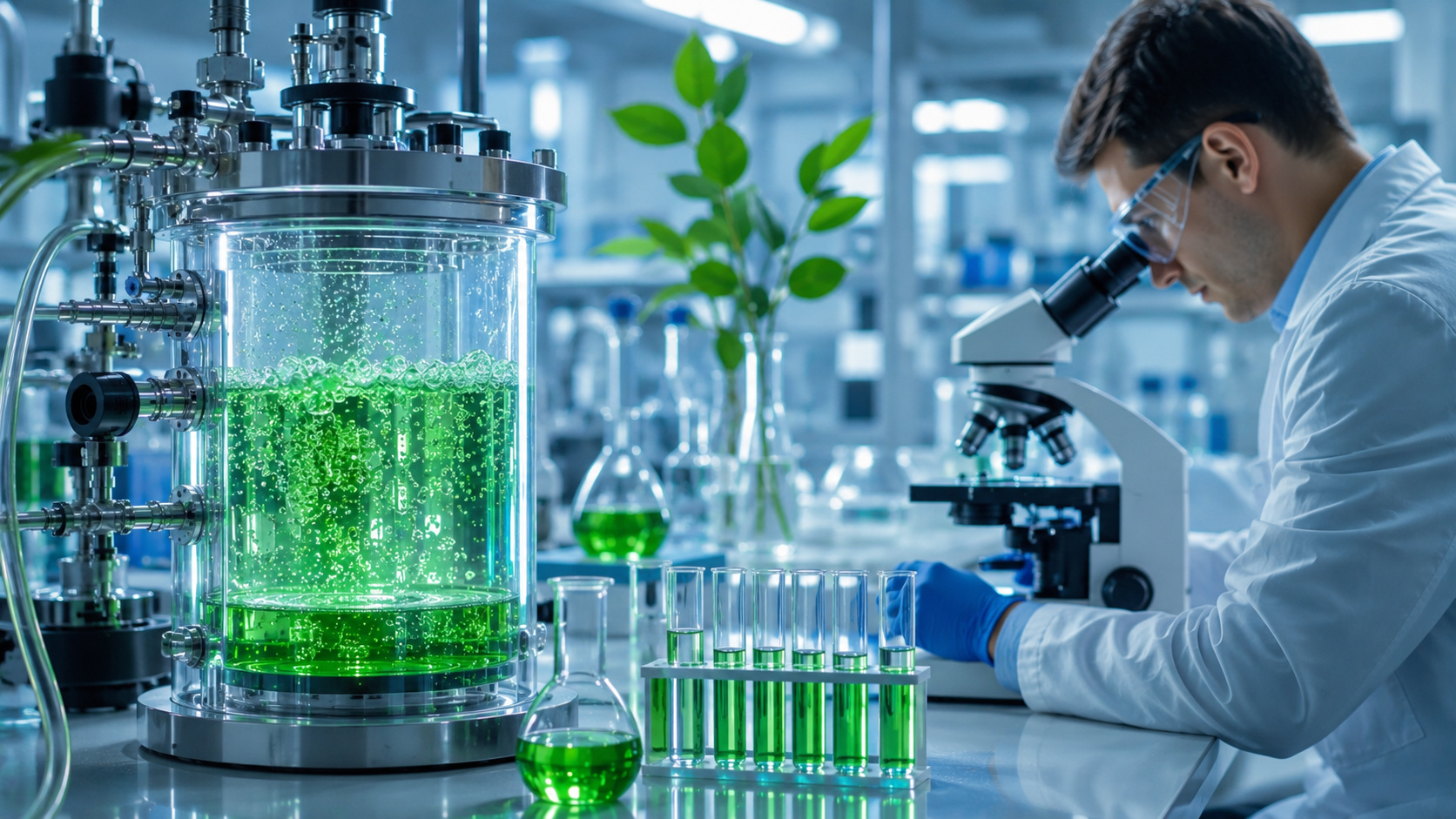
Brazilian scientists are simultaneously advancing two research projects on clean hydrogen and driving solutions that could transform the energy matrix, enhance industrial competitiveness, and accelerate large-scale emission reduction targets.

-
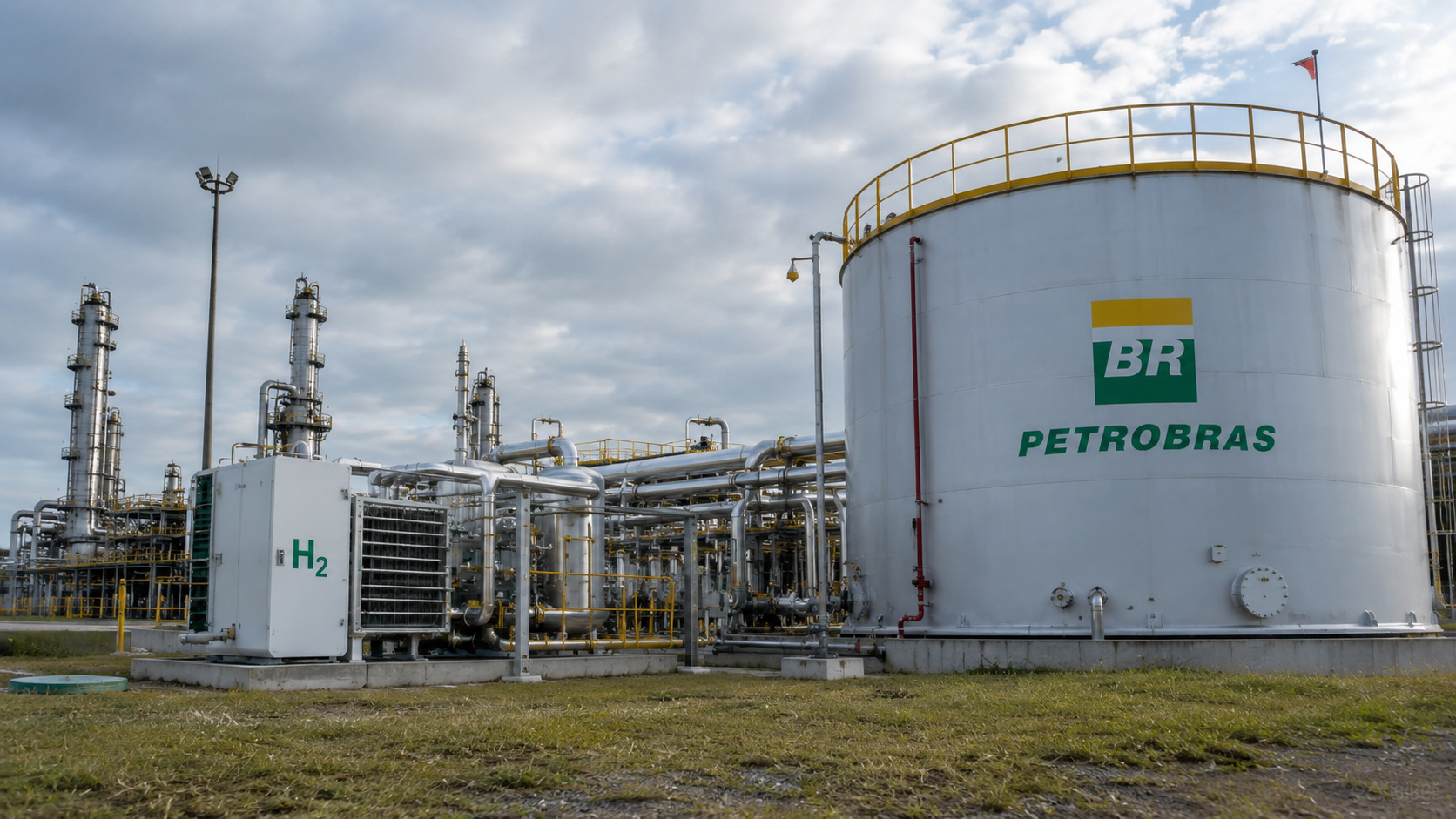
Advancement in renewable energy: A R$ 150 million project launched by Petrobras and Finep aims to create state-of-the-art electrolyzers for green hydrogen, strengthening national research and preparing Brazil to compete in a billion-dollar energy market.
-
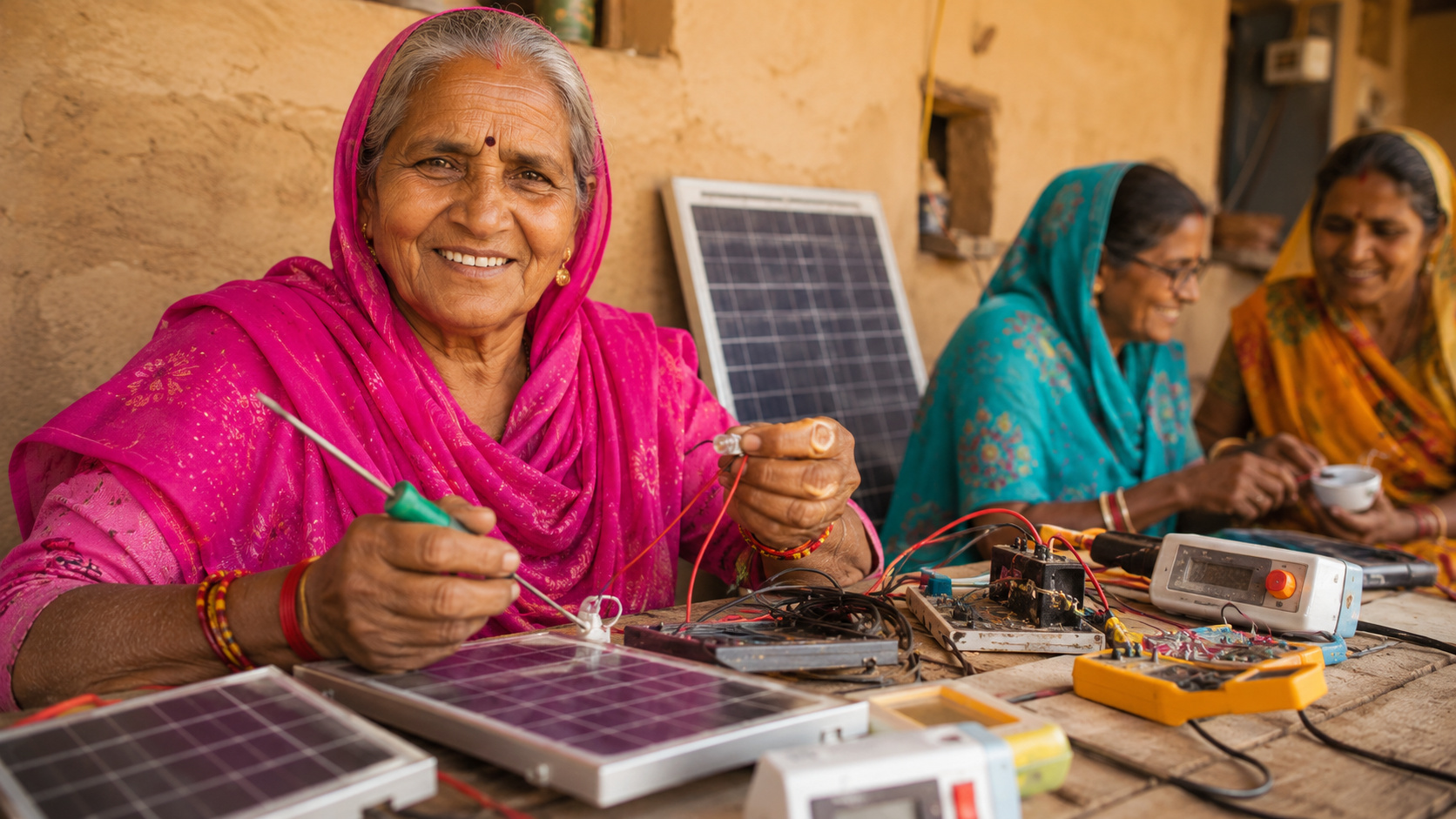
Illiterate or semi-literate grandmothers were trained to repair solar systems, open rural workshops, and light up homes that still depended on kerosene.
-
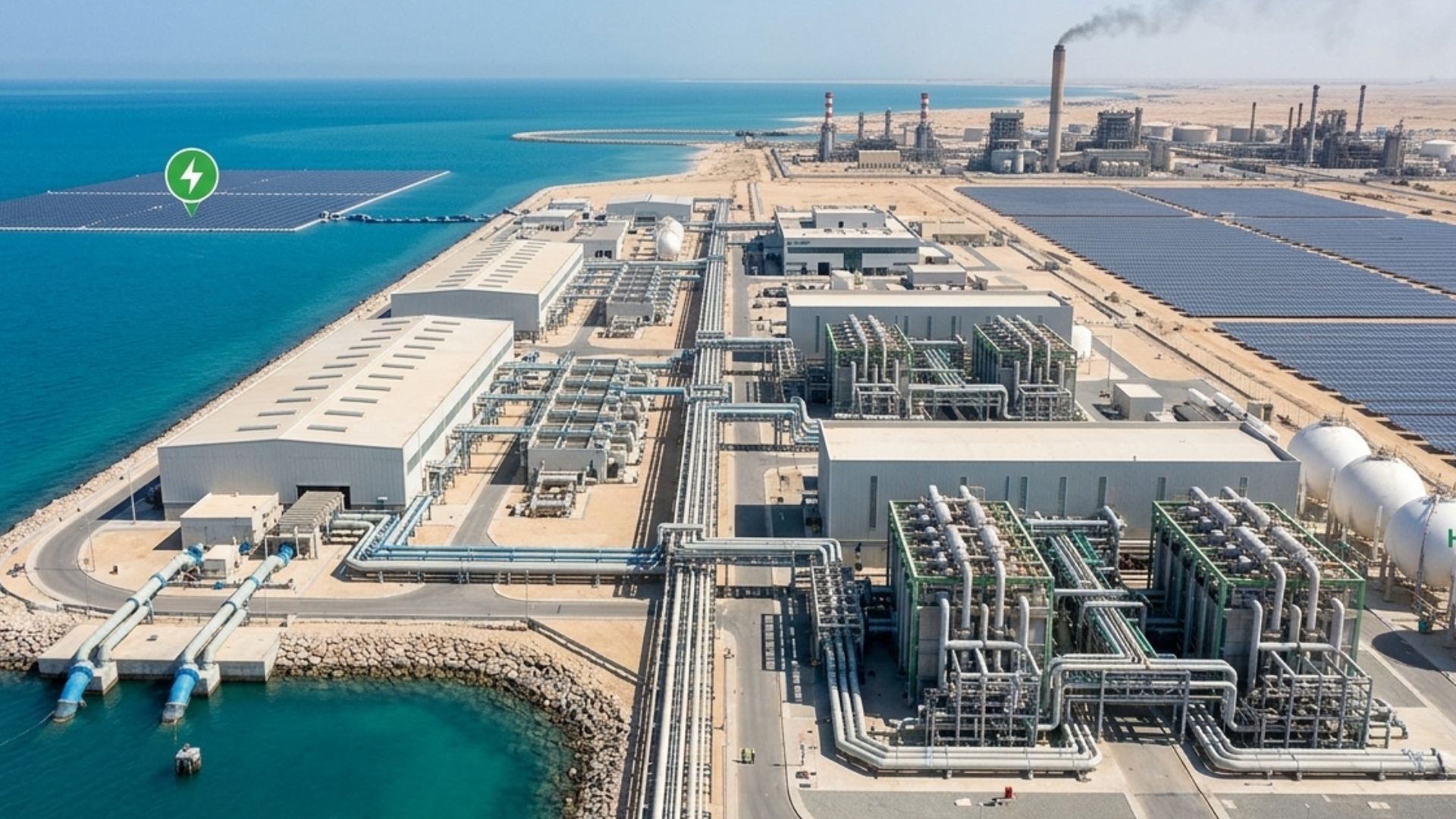
The world has bet on green hydrogen as the fuel of the future, but now faces the side effect: producing 1 kilogram requires about 9 liters of ultrapure water, and the largest projects on the planet are precisely in the driest regions of the Earth, where water is already scarce for people.

An Innovation for the Industry
The electrolyzer project consists of 72 cells, where electrolysis occurs, a process that uses electricity from renewable sources to separate water into oxygen and hydrogen. This hydrogen will be fed into BASF’s Verbund network, distributed to various industrial facilities, and used as a raw material for the production of essential chemicals.
Green hydrogen is a strategic element for the chemical industry, as it can replace more polluting conventional sources. It is currently widely used in the manufacture of ammonia, methanol, and vitamins, essential products for various sectors.
Environmental Impact and Government Support
The adoption of this technology will allow a reduction of up to 72,000 metric tons of greenhouse gas emissions per year. The initiative aligns with BASF’s climate goals and the environmental guidelines of Germany and the European Union.
The project received funding of €124.3 million (about R$ 683.6 million) from the State of Rhineland-Palatinate and the German Federal Ministry for Economic Affairs and Climate Action. Government support reinforces the importance of green hydrogen for the decarbonization of industry and the energy transition.
Hydrogen in Mobility and Local Economy
In addition to being used in chemical production, part of the hydrogen generated will supply mobility projects in the Rhine-Neckar Metropolitan Region. The goal is to promote the use of hydrogen as an alternative to fossil fuels in the transport sector, contributing to the reduction of carbon emissions.
Katja Scharpwinkel, a member of BASF SE’s Board of Directors and head of the Ludwigshafen site, emphasized that the initiative will help the company’s customers achieve their climate goals.
Progress Towards The Zero Emission Goal
BASF aims to achieve net-zero emissions in the long term. Katrin Eder, Minister of State for Climate Protection, Environment, Energy, and Mobility of Rhineland-Palatinate, highlighted the importance of the project for the energy transition.
According to her, the company seeks to progressively increase electricity generation from renewable sources and replace fossil-based raw materials with sustainable alternatives.
Udo Philipp, State Secretary of the Federal Ministry for Economic Affairs and Climate Action, stated that BASF is demonstrating in practice how industrial decarbonization can occur. “An emblematic project for the integration of hydrogen at a chemical production site has become a reality in Ludwigshafen. Through this collaboration, BASF is showing how industrial sector decarbonization can look in practice and inspiring further technological progress,” he emphasized.
With the new electrolyzer, BASF is advancing in the production of green hydrogen and contributing to reducing carbon emissions in the chemical industry. The project reinforces the company’s commitment to sustainability and serves as a model for future initiatives in the global energy transition.
With information from Interesting Engineering.







Be the first to react!