





 Portuguese
  English
  Spanish
  3 min of reading


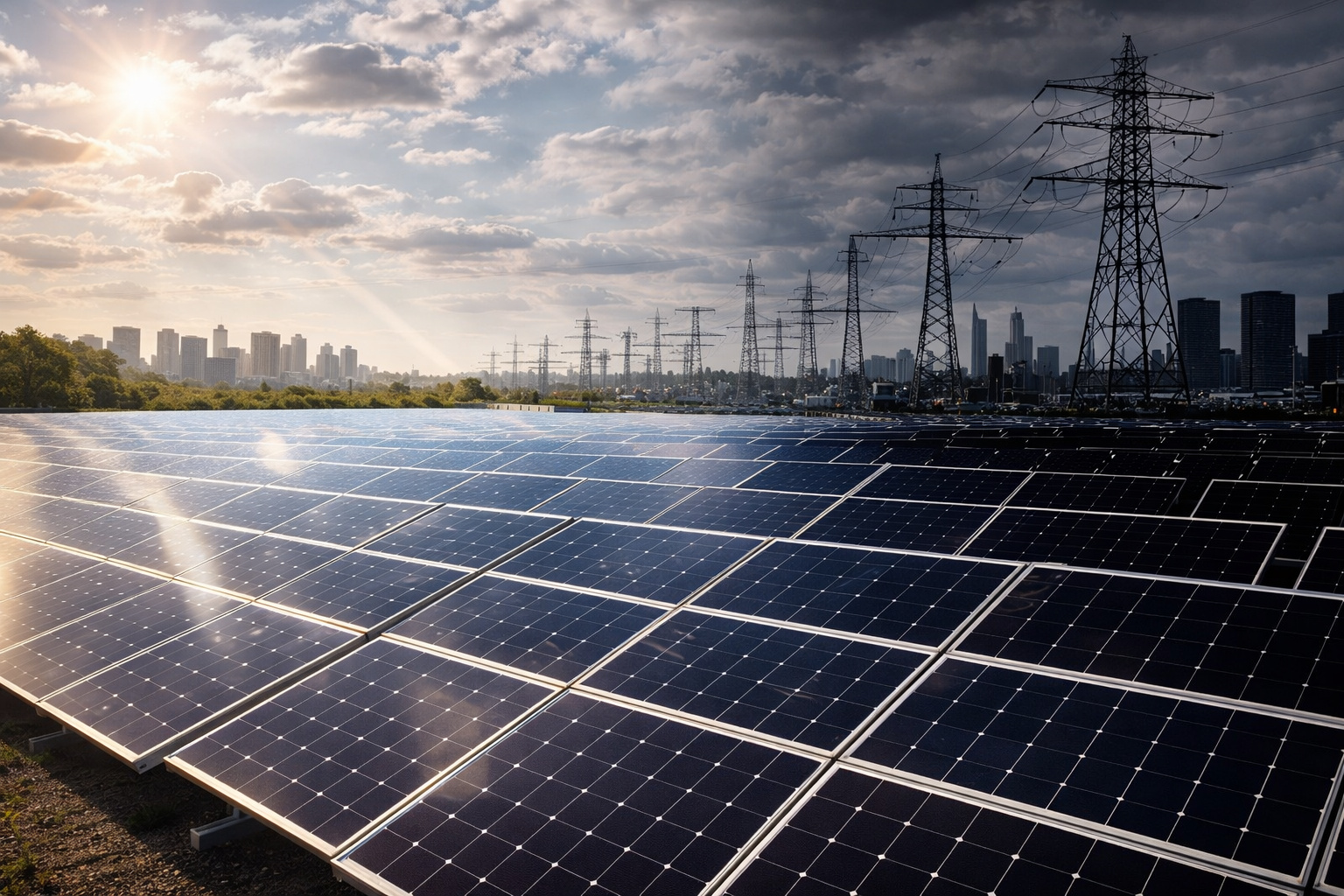
The accelerated advancement of solar energy in Brazil has brought environmental and economic gains. However, experts warn that the country may face blackouts as early as the first quarter of 2026 if it does not adjust the operation of the electrical system.
Concerns are growing because, on days of low consumption, solar electricity production can exceed demand.
According to industry consultants cited in technical studies, Brazil could repeat scenarios similar to what happened on Father’s Day in 2025, when parts of the country experienced electrical instability after a sudden drop in generation.
What Causes the Risk of Blackouts
The source of the problem lies not in a lack of energy, but in an excess of energy available.
The national electrical system needs to operate at all times in balance between supply and consumption. When generation exceeds usage, the grid loses stability and experiences fluctuations that can take down transmission lines, damaging equipment and causing blackouts.
-
Africa has about 500,000 cell towers and most still burn diesel to operate, while companies rush to cover antennas with solar energy and avoid signal blackouts.

-
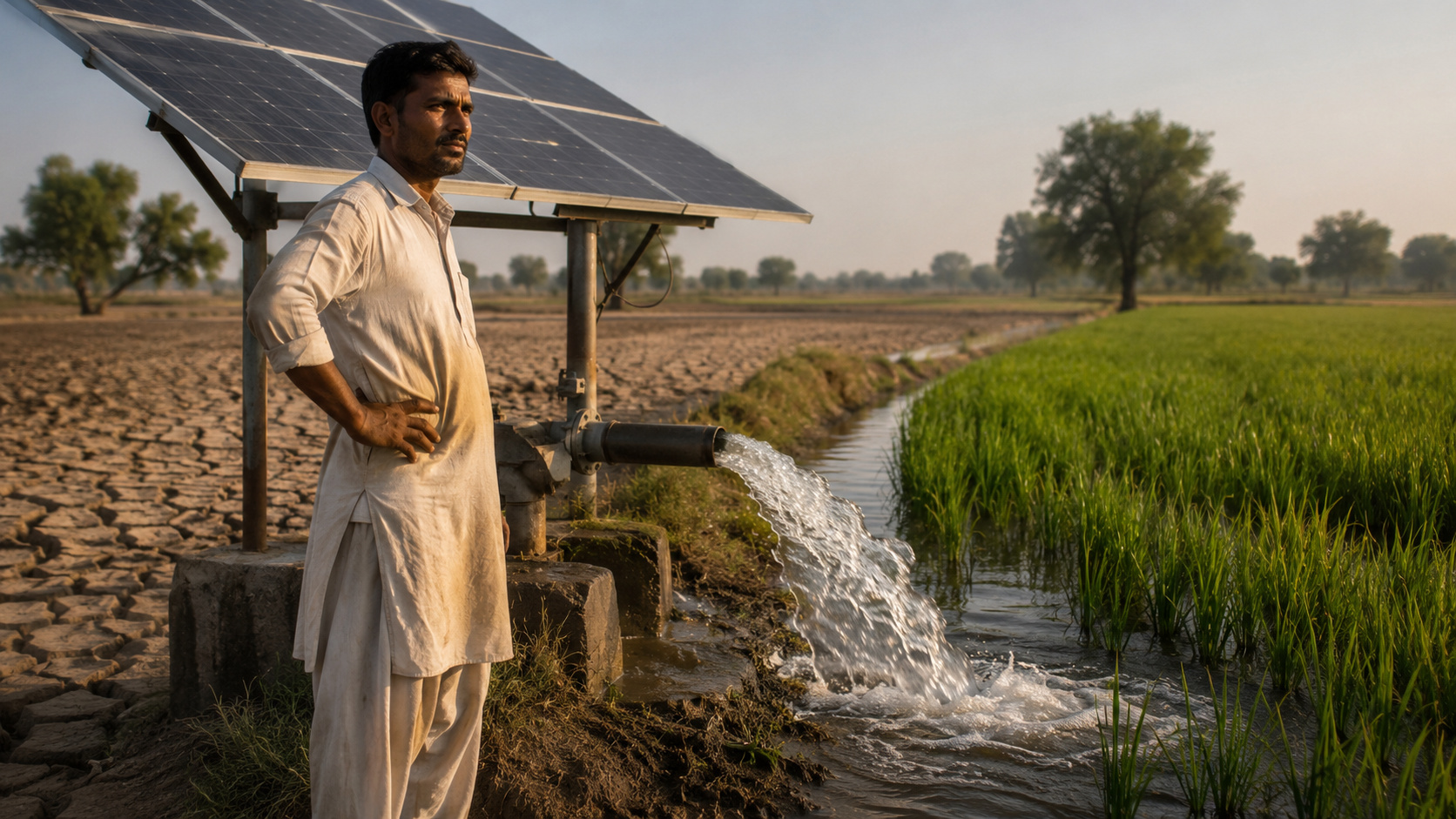
Farmers swapped diesel for solar panels in Pakistan, powered irrigation pumps almost cost-free, expanded rice fields, and now groundwater has become a red alert in the countryside.
-
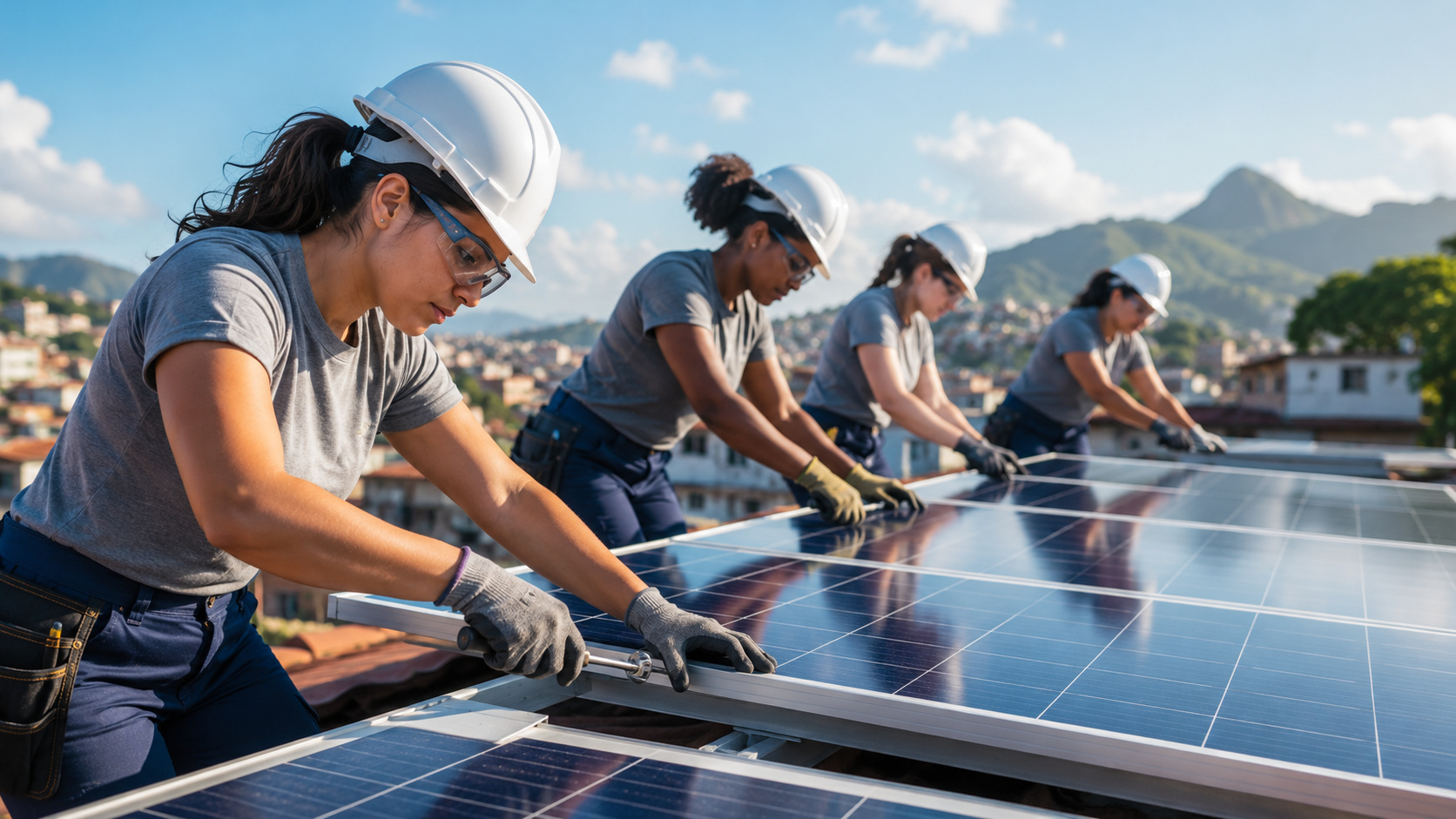
NGO opens slots for free solar energy course exclusively for women in São Gonçalo
-
How much does it cost to install solar energy at home in 2026? This method of generating energy attracts attention for allowing a reduction in electricity expenses and an estimated financial return between four and seven years, with residential systems costing between R$ 15,000 and R$ 28,000.



Moreover, solar energy grows rapidly precisely during times of intense radiation.
On holidays and weekends, industries reduce operations and demand decreases.
As a result, energy excesses occur in the grids, increasing the risk of automatic shutdowns for safety.
Solar Energy Advances and Changes Market Logic
Brazil has surpassed the mark of millions of consumers generating their own energy.
Additionally, large solar farms have added new gigawatts to the national system, making solar energy a key player in the electrical matrix.
This growth ensures clean electricity, reduces emissions, and lowers costs for families and businesses.
However, it requires urgent adaptations, such as more flexible systems, real-time monitoring, and efficient storage.
As the country increasingly depends on intermittent energy — such as solar and wind — the national operator needs to adjust dispatch formats and solutions for stabilization.
What the Sector Needs to Do Now
Experts advocate that Brazil adopt mechanisms to absorb generation peaks.
These include battery storage systems, reversible plants that store energy in reservoirs, and greater integration with sources that can quickly increase production, such as hydropower plants.
Additionally, the National System Operator (ONS) is discussing improvements to tools that allow for controlled shutdowns of solar plants during excess times.
Although these measures may seem contrary to the promotion of renewables, they are part of the energy transition process.
Countries like Germany, Australia, and Japan have already adopted similar solutions to balance grids with high solar presence.
A Problem of Abundance, Not Scarcity
Paradoxically, the growth of solar energy drives Brazil to face risks typical of highly developed countries in the electrical sector: excess supply at specific times.
This represents a positive challenge, as the country rapidly advances in clean generation.
However, this abundance needs to be transformed into usable energy.
Storing, coordinating, or redirecting production will be essential to avoid blackouts and ensure reliability for millions of consumers.
Consultants in the electrical sector and analyses cited by energy experts warned, at the beginning of 2026, about the chance of a repeat of the blackout that occurred on Father’s Day in 2025.
The discussion includes data monitored by the National System Operator (ONS) and studies from the distributed solar energy market.
Thus, the country prepares to face a modern challenge: managing its own efficiency.





-

1 person reacted to this.