






 Portuguese
  Spanish


Fiat’s Electric Quadricycle Arrives in Independent Import, with High Price and Restricted Use in Brazil, While Maintaining Retro and Minimalist Style Inspired by the Classic 500.
In Brazil through independent import, the Fiat Topolino started being sold for R$ 197,000, but its use is limited to private areas.
According to WBC, responsible for bringing the units, and Upgrade Customs, which handles the resale, 24 units of the electric quadricycle have arrived in the country.
As it does not meet local requirements for road circulation, the model cannot operate on public roads in Brazil.
-
2027 Toyota Corolla Cross Unveiled: New Design, Enhanced Fuel Efficiency, Reduced Maintenance Costs, Advanced Technology, Connected Services, and Up to 10-Year Warranty

-
Fiat Cronos Precision 2018: Affordable Sedan with Spacious Trunk and Reliable Maintenance
-
Volkswagen to Cut Production by 1 Million Cars by 2030, Reducing Jobs and Platforms, Focusing on More Profitable Models

-
Toyota Launches First 100% Electric Car in Brazil: bZ4X with 343 HP, All-Wheel Drive, 361 km Range, Priced at $419,990 BRL, Limited to 99 Units



How It Arrives and How Much It Costs
The arrival is not official from Fiat. According to information provided to Quatro Rodas magazine, WBC imported the initial batch and passed the vehicles to Upgrade Customs.
The price of R$ 197,000 is what the importer practices and may vary at the stores that have acquired units for resale, as each reseller adds their margin.
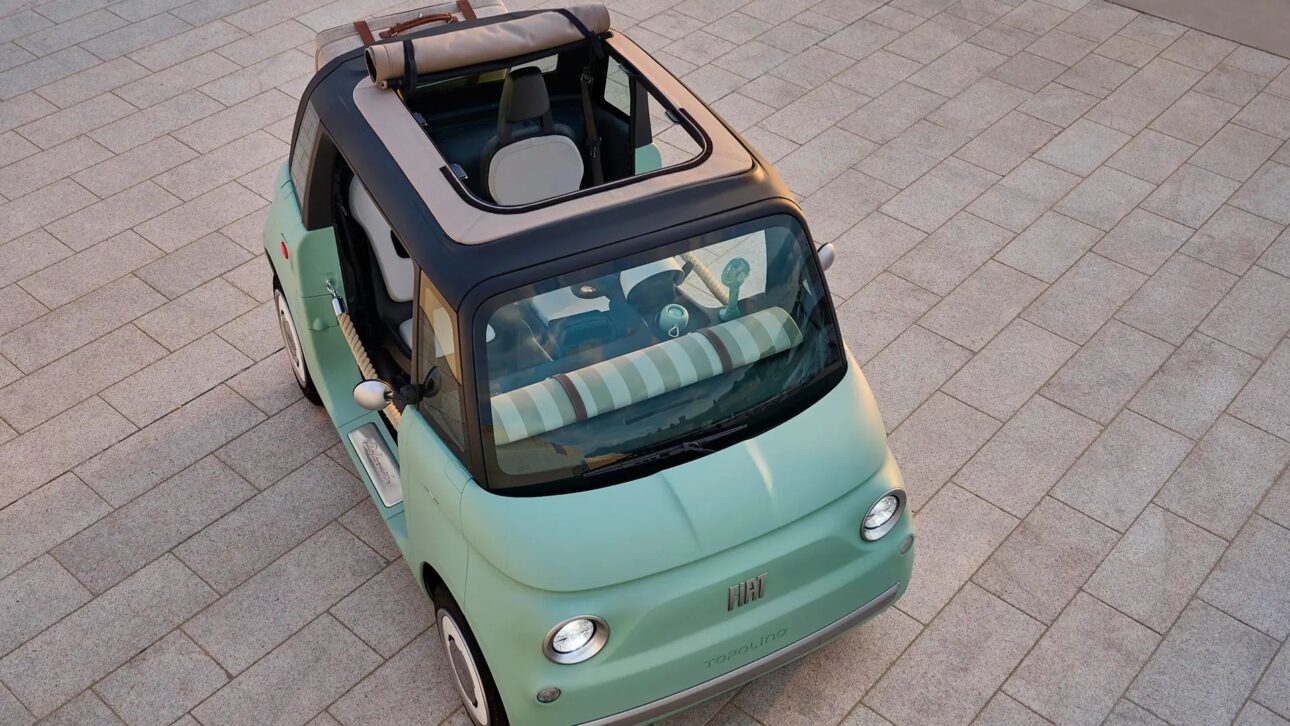
There are two configurations. The Dolcevita, positioned as the entry-level option, features doors replaced by a rope attached to hooks and a retractable fabric roof, a solution that reduces costs and weight and enhances the retro appeal.
The more expensive version, offered at R$ 210,000, comes with tilting glass doors and a closed roof with a glazed section, which expands use on cold or rainy days.
The prices mentioned refer to the importer’s level and can fluctuate according to the point of sale.
The Family Ties with Ami and Rocks-e
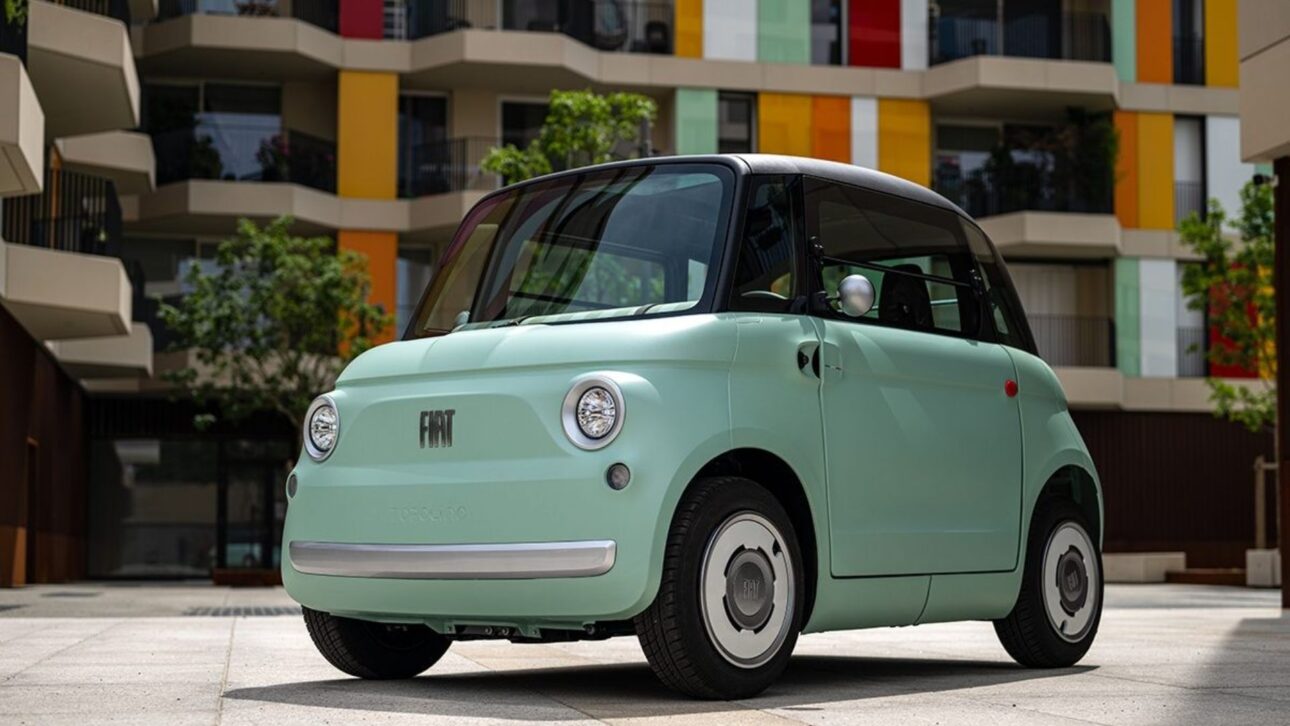
“Cousin” of the Citroën Ami and Opel Rocks-e, the Topolino is the one that most preserves Fiat’s identity.
Although it shares the technical base with models from other brands, it invests in a visual more aligned with the history of the Italian manufacturer, getting closer to the spirit of the Fiat 500.
Design with Fiat Signature
The Topolino is produced in Morocco and replicates distinctive elements of the 500. At the front, the dual round headlights reinforce the visual signature.
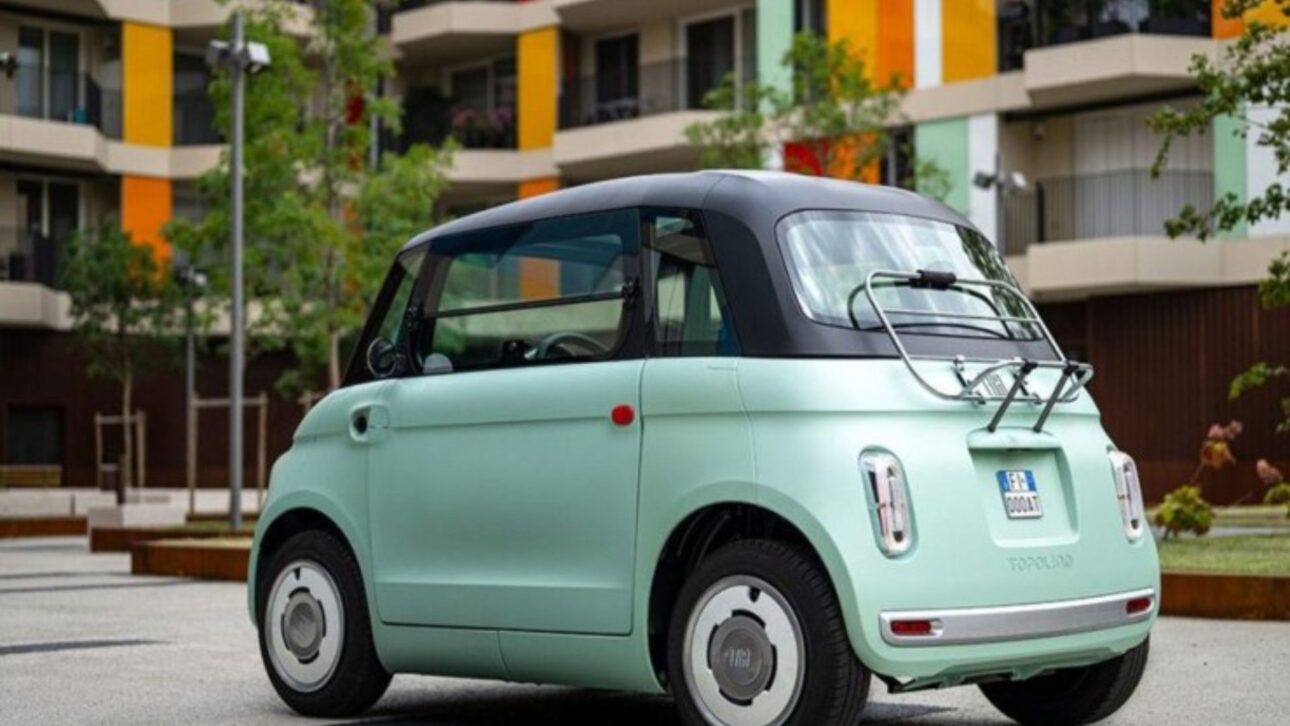
At the rear, the vertical LED taillights and the license plate cutout with a rounded top frame repeat familiar solutions to the classic compact.
The bumpers with chrome bars complete the reference. In profile, the steel wheels come with classic design aerodynamic hubcaps.
In Brazilian units, these items were installed later. The small chrome mirrors also follow the retro proposal, forming a set that privileges simplicity and personality.
Minimalist Interior for Two People
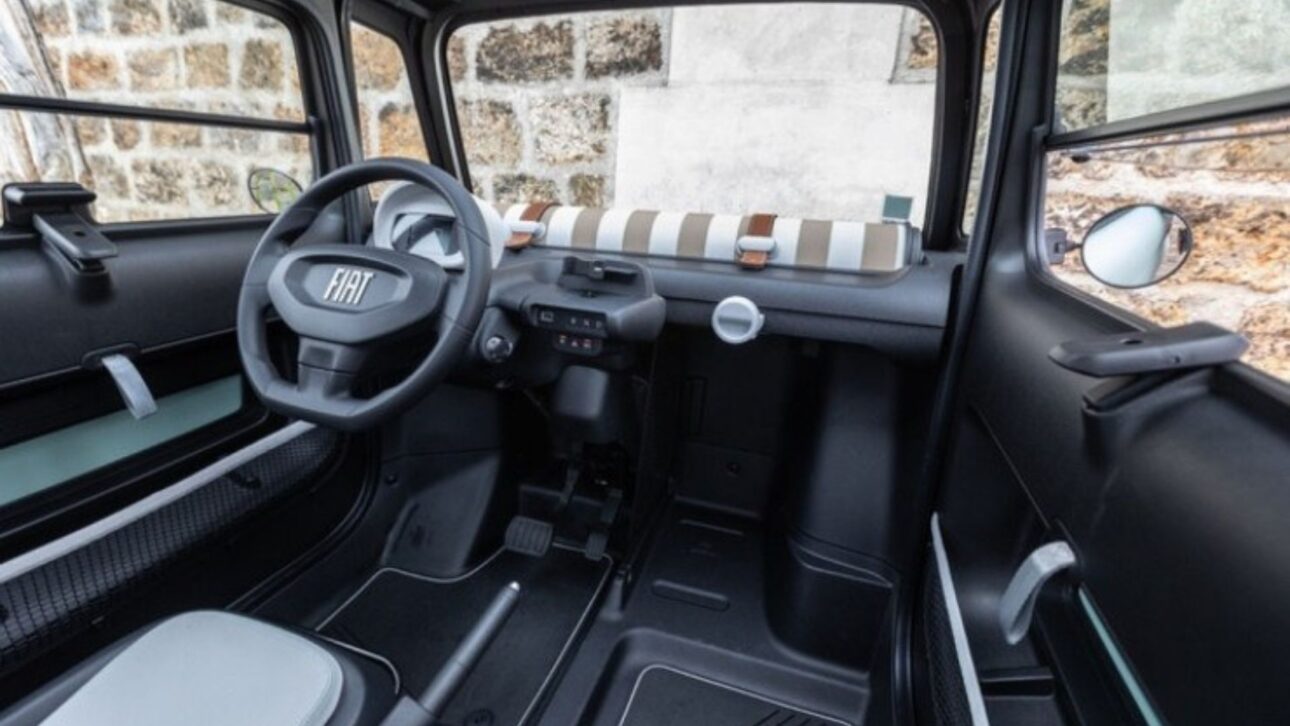
Inside, the Topolino accommodates two occupants and maintains a clean line.
The steering wheel is simple, without multifunction controls, and the digital instrument panel focuses only on essential information.
Next to it are the gear shift buttons, the activation for the hazard lights, a USB port, and the housing for the physical key, which is not of the proximity type.
There is no multimedia center. Instead, Fiat plans an integrated phone holder and connectivity via Bluetooth.
There is also no air conditioning; in Europe, a USB fan is offered as an accessory.
Despite the economic proposal, the panel features a rounded element that alludes to a fabric storage bin with leather fasteners, a detail designed to add charm to the space.
Motor, Autonomy, and Dimensions
The electric unit prioritizes short and slow travels. The motor delivers 8 hp and 4.5 kgfm, with a maximum speed limited to 45 km/h.
The 5.5 kWh battery offers a declared autonomy of up to 75 km, sufficient for everyday use on very short urban trips.
In dimensions, it measures 2.53 m in length, 1.40 m in width, 1.53 m in height, and 1.73 m in wheelbase. The weight is around 560 kg.
These figures help explain the classification of the Topolino in European markets as a light quadricycle aimed primarily at urban use, focusing on short-distance mobility and very low energy consumption.
Where It Can (and Cannot) Operate in Brazil
This is the central point for the Brazilian buyer. In Brazil, the Topolino is not authorized to circulate on public roads.
The combination of modest power, limited speed, and technical classification prevents registration and use on streets and avenues.
Therefore, usage is restricted to private areas, such as companies, shopping malls, and condominiums.
In other words, it is a vehicle for internal and controlled movements, not for facing common urban traffic.
How the Scenario Is in Europe
In European markets, the proposal changes.
The Topolino was conceived as an urban solution for narrow streets, with driving permission from age 14 in some countries and no requirement for a traditional driver’s license, according to local rules.
Moreover, there are financing offers that, according to the brand’s communication in Italy, bring the monthly cost closer to the price of public transport, which reinforces the strategy of accessibility and democratization of electric micromobility.
What Explains the High Price in Brazil
The value above R$ 190,000 results from a chain of import costs and the very nature of the business, which does not involve the official operation of the manufacturer in the country.
Taxes, logistics, and margins make up the final bill.
Additionally, as each unit is resold by different stores, the price to consumers tends to vary according to the commercial strategy of each sales point, which can increase the total paid for the rarity.
For Whom It Makes Sense
Despite the limitations, the Topolino can serve large condominiums, resorts, industrial complexes, or shopping malls looking for a compact electric vehicle for internal movements, with low maintenance and quiet operation.
For everyday use in the city, however, the inability to drive on public streets in Brazil limits its appeal to enthusiasts or fleet operators with very specific needs.
According to experts, the arrival of the Topolino expands the showcase of electric micromobility in the country, but without altering, for now, the regulatory landscape for quadricycles.
If the rule changes in the future, the discussion about cost-benefit may be reopened on other grounds.
Until then, the model operates in well-defined niches and relies on buyers who know exactly what they are bringing to their garage or internal fleet.
Would you use an electric quadricycle like the Topolino if it could drive on Brazilian streets, or does it only make sense in private spaces?








Tem que estar muito drogado para pagar quase 200 mil nessa ****!
Dinheiro jogado no lixo, muito caro para um carro que não te oferece benefício nenhum.
Eu achando q patinete eletrico de 9 mil tava caro