






 Portuguese
  Spanish
  3 min of reading
  0 comments


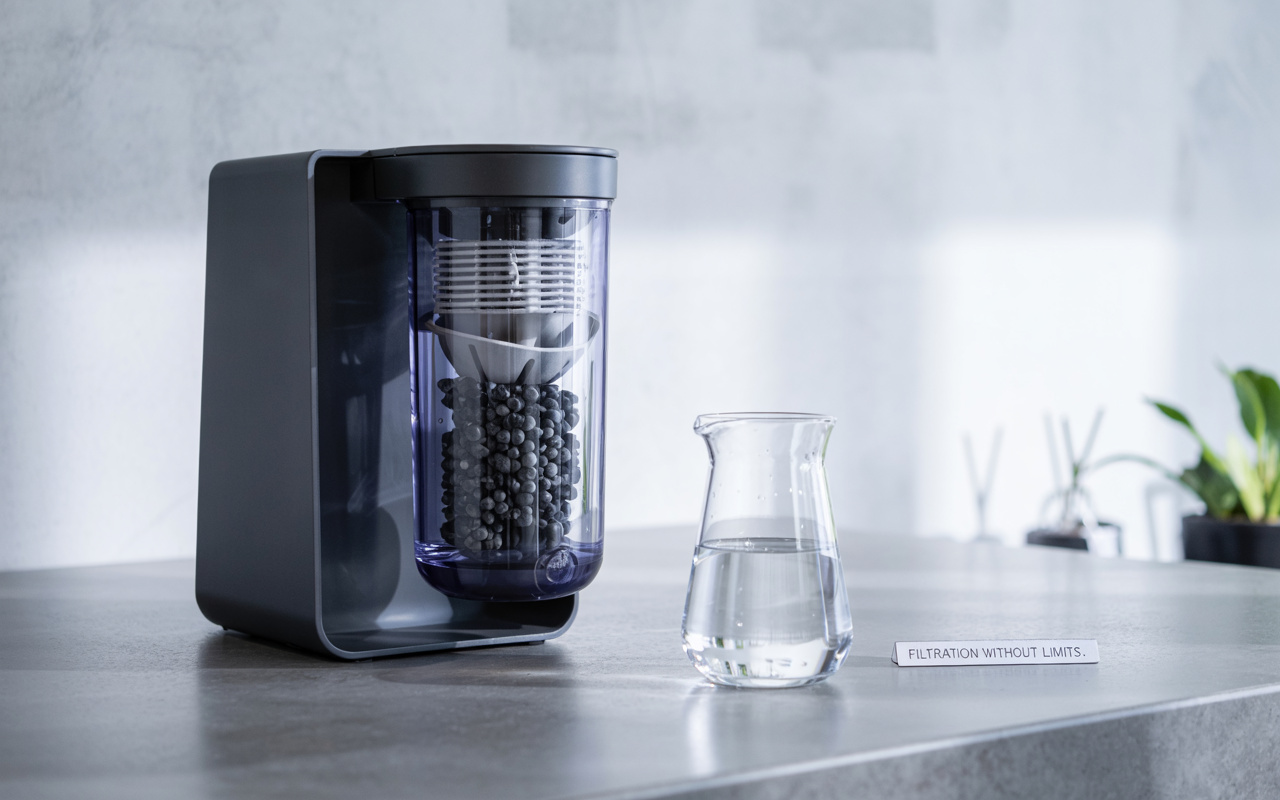
Filters That Work Without Electricity And Remove Even Heavy Metals Are Gaining Space In Brazilian Homes. Get To Know The Japanese Technology Behind These Sustainable Solutions That Dispense Gallons, Outlets, And Extra Costs.
Water filters that work without electricity, dispense gallons, and also remove heavy metals are winning over Brazilian consumers looking for practicality, savings, and health. Models such as those from Hoken, Europa, and Purific use a combination of activated carbon, microporous ceramic, and colloidal silver to remove impurities from drinking water, without the need for energy or a motor.
The main element of these filters is the microporous ceramic candle, developed based on Japanese technologies. It acts as a physical barrier that retains larger particles, sediments, and microorganisms. Next, the activated coconut shell carbon absorbs chlorine, odors, unpleasant tastes, and even some metals like lead, aluminum, and iron. The colloidal silver incorporated in the filter acts as a bactericidal agent, preventing the proliferation of bacteria within the system.
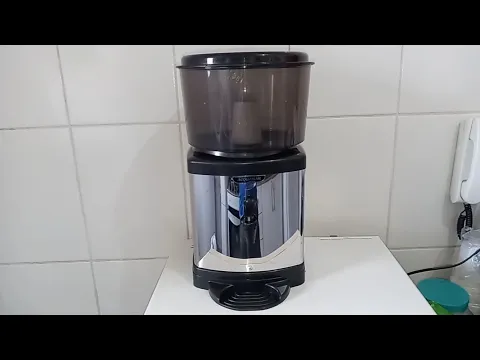

This process occurs by gravity: the user pours water into the upper reservoir, and it slowly passes through the filtration system until it reaches the lower compartment. There are no electronic components involved — and it is precisely this that ensures the autonomy, silence, and low cost of the system.
-
OpenAI wants to transform ChatGPT into a powerful super app with AI agents, enhanced Codex, and tools for businesses before a potential billion-dollar IPO.

-
Alibaba launches artificial intelligence for robots in China and reveals why big techs now want machines that do much more than just talk
-
150 scientists from 40 countries warn of a silent reversal in rivers: data from 550 watercourses show that agricultural and urban pollution accelerate the decomposition of aquatic organic matter, transforming ecosystems that should absorb carbon into emitters of CO2 and methane into the atmosphere.
-
Google releases Android 17 with a Pixel Drop packed with AI, Gemini Omni for videos, Lyria 3 for music, and Wear OS 7 to make phones and watches more connected than ever.




Tech Filter That Eliminates The Gallon And Saves Up To R$ 1,000 Per Year
In addition to offering high-efficiency filtration, these filters stand out for long-term savings. A domestic model can replace the consumption of mineral water in gallons, which usually costs between R$ 80 and R$ 120 per month for an average family. As a result, annual savings can exceed R$ 1,000 — not considering the reduction of disposable plastic in the environment.
Another advantage is durability: the filter elements typically last from 6 months to 2 years, and maintenance can be done by the user themselves. Cleaning the ceramic candle is simple and requires just a brush or sponge. The replacement cost of the cartridge is also lower than that of electric purifiers.
Ideal Filter For Those Living In Rental Houses Or Areas With Unstable Energy
The filter without energy is a perfect alternative for those who live in rented places, do not want to do renovations, or live in regions with unstable electricity supply. Since it does not require an outlet or fixed plumbing installation, it can be placed on any countertop, table, or corner of the kitchen — including in farms, beach houses, or trailers.
It is also an ideal solution for those seeking energy independence and simplicity. Unlike digital purifiers or reverse osmosis systems, these filters do not rely on network pressure or sensitive electronic parts.
Modern Design And Efficiency Approved By Technical Reports
If before gravity filters were only associated with clay models, today the market offers more modern versions, with finishes in stainless steel, non-toxic plastic, glass, and glazed ceramic. Brands like Hoken and Europa now offer filters with a contemporary design and flow suitable for large families.
In laboratory tests, many of these models have been approved by Inmetro and have reports that certify the removal of up to 99.9% of bacteria and significant reduction of metals, in addition to improving the water’s taste.





-

1 person reacted to this.