






 Portuguese
  Spanish
  3 min of reading
  2 comments


iPhones Can Be Produced By Humanoid Robots Starting In 2025. Foxconn Signs Significant Partnership With Robot Company That May Signal The End Of Manual Labor.
Foxconn, a Taiwan-based electronics manufacturer, aims to utilize humanoid robots in the production process for various products, which may include iPhones, after closing a deal with UBTech. This comprehensive long-term partnership envisions the use of Walker S1 model machines in its manufacturing units, potentially bringing an end to the era of manual labor.
Humanoid Robots At Foxconn Can Perform Complex Functions
Michael Tam, one of the directors at UBTech, mentions that the humanoid robots that will be able to assemble the iPhone have been trained for several months for operation in various industries, including the so-called “3C,” which encompasses the automotive, computer, and consumer electronics sectors.
The Walker S1, which promises to bring an end to the era of manual labor, is a relatively new model that made its debut in 2024. The humanoid stands about 1.72 m tall, weighs 76 kg, and can perform complex tasks with a high level of accuracy, helping to maintain a high standard of quality in electronic products.
-
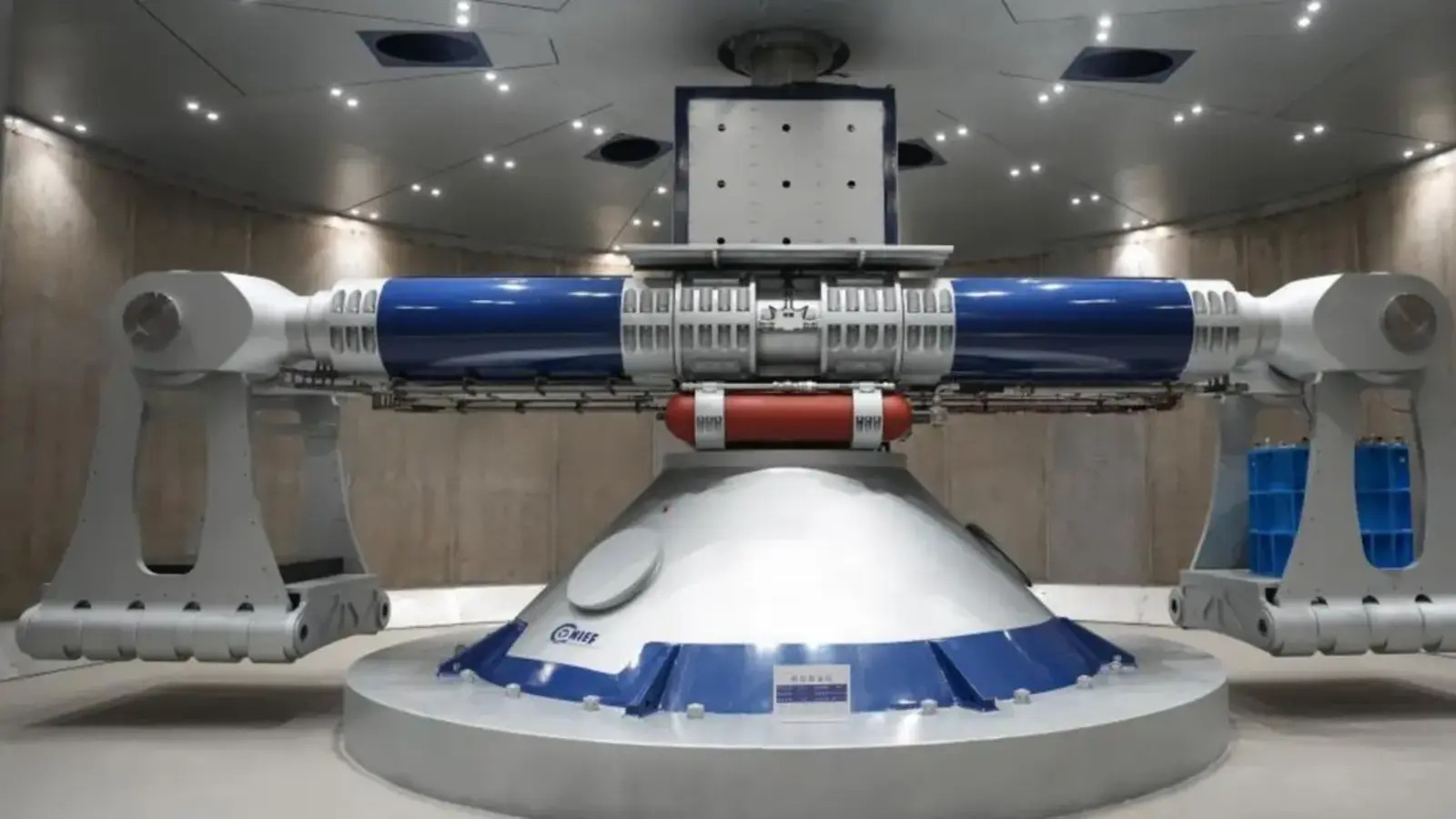
Chinese hypergravity machine is so insane that it reaches 1,900 G-tons, is located underground, spins giant arms at high speed, and can simulate earthquakes, storms, ocean depths, and even pressures from the Earth’s depths.

-
Scientists claim to have created a way to “store solar energy” in a liquid molecule and release that heat when needed.
-
NASA is advised to create a biocontainment facility on the Moon to prevent samples from Mars, the Moon, or other places in space from arriving directly on Earth with possible dangerous contaminants.

-
Scientists open lost cave in Norway and encounter a forgotten Arctic world with 46 species that existed 75,000 years ago.



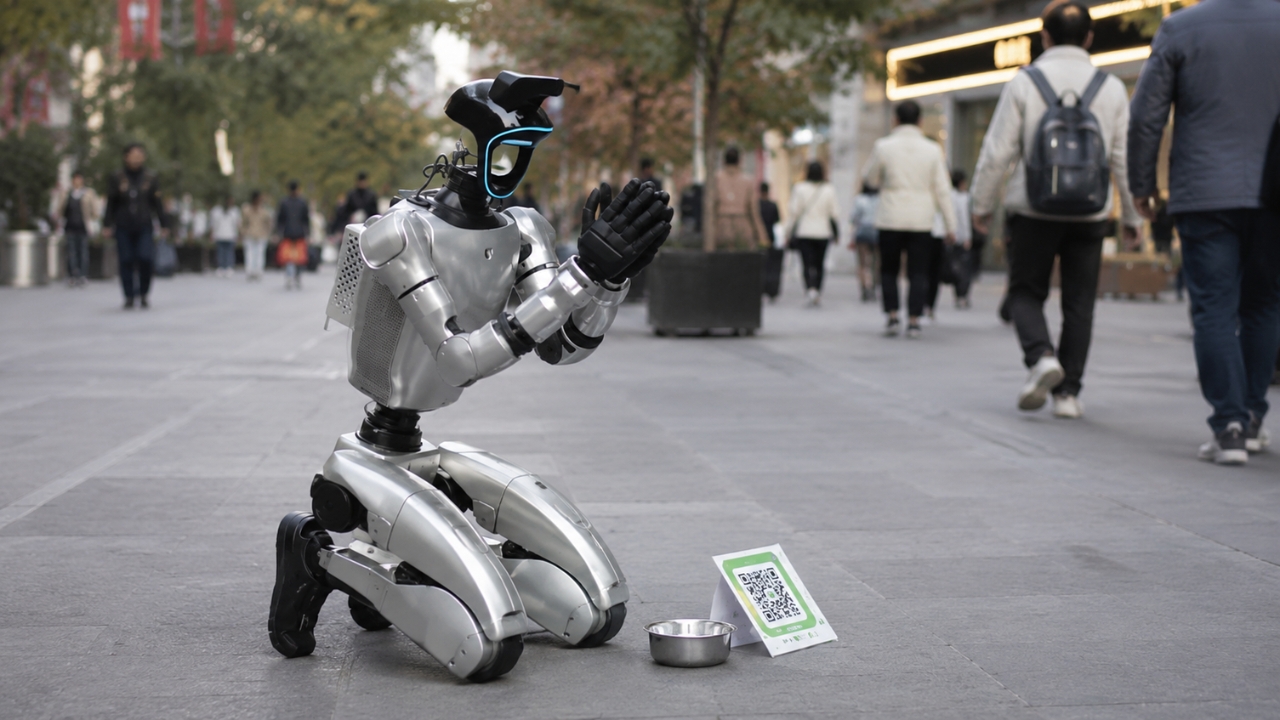
Among the abilities of the humanoid robots are performing simple actions, like conducting visual inspections of products or transporting packages from the production center. However, they also execute more complex actions, such as fixing parts, handling tools, and even assembling some components.
Initially, the humanoid robots are expected to be used to automate a range of jobs that pose some type of risk to human workers’ health, signaling the end of the era of manual labor. In addition to Foxconn, responsible for producing the iPhone, the vehicle manufacturer BYD and the transportation company SF Express (both Chinese) already utilize solutions from UBTech.
Humanoid Robots Receive New Generation In 2025
Although the Walker S1 is the initial model in use, the responsible company is working on launching the Walker S2, expected in the second half of 2025.
While the exact release date has not been disclosed, the expectation is that the new generation of humanoid robots will bring improvements in construction, coupled with significant optimizations in software and in the machines’ perception and decision-making.
Just as in Foxconn’s production of the iPhone with the Walker S1, this will allow the robots to execute tasks with greater efficiency and autonomy while handling a wider range of activities on the production line. The use of humanoid robots to signify the end of manual labor at Foxconn reflects a growing trend in automation and artificial intelligence industries.
Use Of Robots In Industry Is Gaining Prominence
Although, at first, robots are being used for industrial functions, many experts are working on advancing domestic robots that can assist with daily tasks. However, one of the main barriers to making these devices popular in the domestic market is the high cost of production, which still prevents humanoid robots from becoming accessible to the general public.
The partnership between Foxconn and UBTech could mark a revolution in the production of the iPhone and other devices, with the use of humanoid robots to enhance efficiency, safety, and precision in factories.
The expectation is that the implementation of these robots will be an important step toward total automation on production lines and, in the future, technological advances will enable the creation of cheaper robots for everyday use in regular homes.






Gosto de suas matérias
“ou seja, é o princípio do fim “… entendedores entenderão!!