






 Portuguese
  Spanish
  6 min of reading
  0 comments


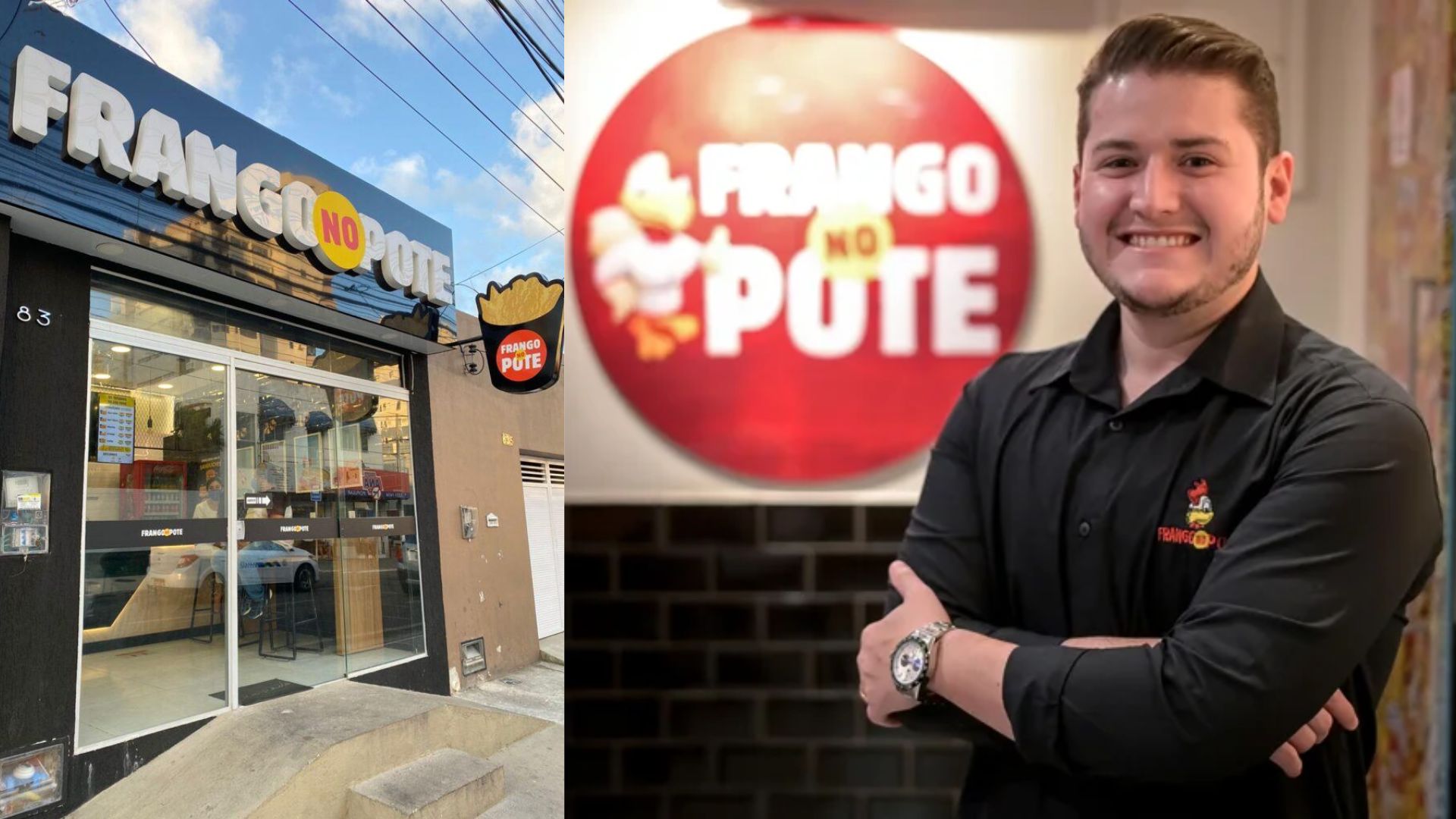
An initial investment of R$ 5,000, an improvised grill, and a recipe adapted to Brazilian taste helped transform a family operation from Brasília into a national fried chicken chain, now associated with million-dollar revenue, franchises, and presence in different states.
Frango no Pote was born in Brasília from a family operation set up on a home grill and reached an annual revenue exceeding R$ 115 million by selling fried chicken adapted to the Brazilian palate.
After rebranding, the brand also started using the acronym FNP and expanded its operations with delivery, franchises, and a proposal based on homemade seasoning, streamlined operation, and portions designed for shared consumption.
The business’s origin is linked to a trip by Carlos Augusto’s family, known as Carlão, to the United States in 2011, where he discovered American fried chicken and saw an opportunity for a Brazilian version.
-
An 18-story human anthill was hidden 85 meters below Turkey: the underground city housed up to 20,000 people, had tunnels, rooms, passages, and ton-heavy stone doors, and was only rediscovered when a man broke a wall inside his own house.

-
Mother of 5 children started selling homemade pamonha door-to-door and today earns about R$ 250,000 per month with a factory that produces 1,500 units per day and sells to several Brazilian states.

-
The shortcut that Greece dreamed of for 2,000 years cuts through a strip of rock in the Mediterranean, connects two seas, and still impresses ships that pass squeezed between the stone walls.
-
Traffic sign with two cars together, white background and four diagonal lines: see what it means




Instead of merely reproducing the foreign model, the family bet on garlic, onion, crunchiness, and a lower perception of fat, creating a recipe closer to Brazilian consumption habits.
According to Exame, the chain started in the backyard of a condominium in Brasília, with an initial investment of R$ 5,000, two fryers, a freezer, and an improvised structure to handle the first orders.
By the end of 2024, the company recorded R$ 115 million in revenue, 100 units in operation, and presence in 17 states, according to data published by the magazine in May 2025.
By May 2026, a report from Terra stated that the group maintained revenue above R$ 115 million per year and had 115 points of sale between physical stores and digital operations.
In the same survey, the brand’s presence appeared in 15 states, a difference that updates the company’s operational portrait without altering the central data on the chain’s annual revenue.
Frango no Pote started in Brasília with a family operation
Before becoming a national chain, the business operated inside the family’s home in Arniqueiras, in the Federal District, where the first orders were prepared and organized domestically.
The chickens were delivered in reused pots, labeled with the brand, while the promotion happened through Orkut, a popular social network at that time and important for reaching consumers close to the initial operation.
More than importing the popularity of the dish in the United States, the bet was on transforming a typical international fast-food item into a recipe with Brazilian identity and appeal for different consumption occasions.
This format helped test acceptance before structured expansion, as the practical portions and the visual appeal of fried chicken favored growth through delivery in the following years.
With the increase in orders, the movement of delivery drivers in the condominium began to attract attention and paved the way for the first physical store, installed in front of the place where the operation had started.
According to Carlos Jr., the unit already combined dining room and delivery, marking the transition from an improvised kitchen to a business with commercial structure and greater service capacity.
Carlos Jr. took on a central role in the expansion of FNP
In the reorganization of the company, the entry of Carlos Jr., the founder’s son, played an important role in transforming a family operation into a network with clearer processes and a replicable model.
Trained in gastronomy, he started early in the business, went through operational roles, and after a season in the United States, returned to Brazil to work more directly in brand management.
According to Exame, Carlos Jr. took command in 2019 and began to reinforce standardization, technical sheets, kitchen processes, and delivery operation in different units.
The measure aimed to face a common challenge in networks that grow rapidly: ensuring that different stores deliver a similar experience to the consumer, without major variations in the final product.
During the Covid-19 pandemic, the focus on delivery gained even more relevance, as restaurants of different sizes needed to adapt service, production, and sales channels.
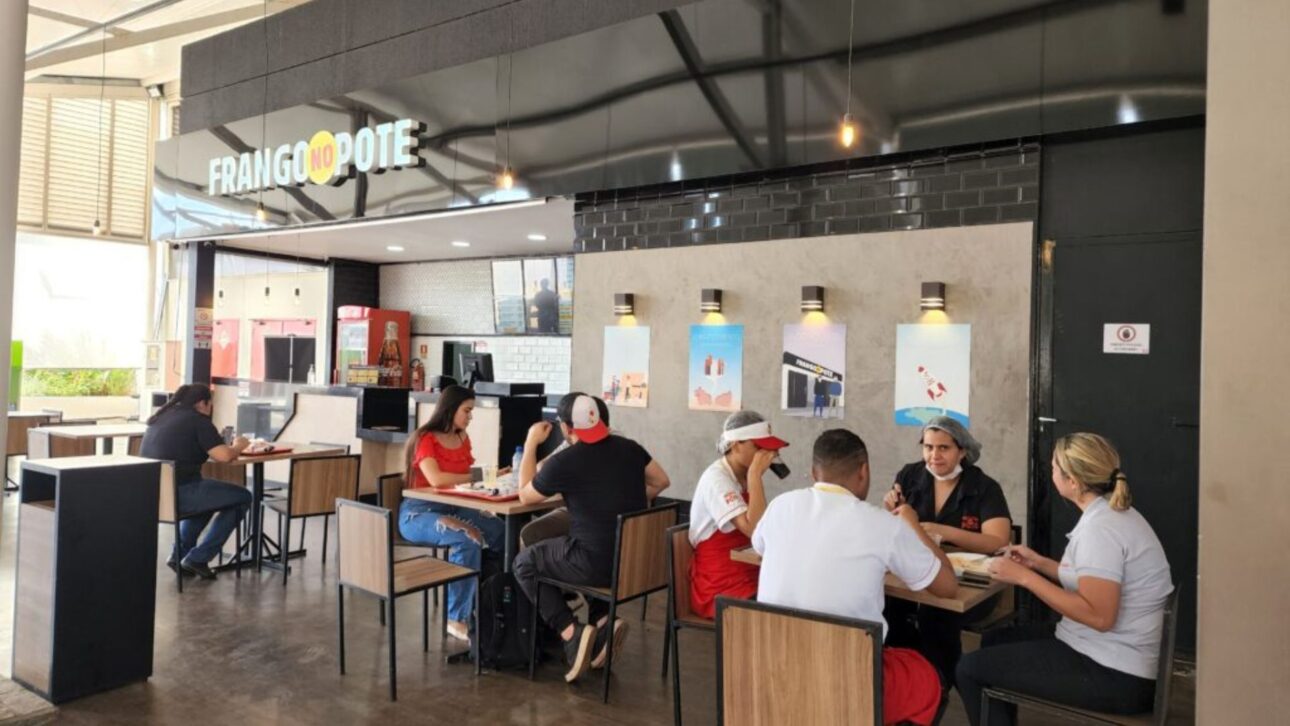
During this period, Frango no Pote expanded its presence and treated delivery as a permanent part of the strategy, not just as an emergency alternative due to restrictions on in-person service.
By maintaining a simple menu, replicable preparation, and a lighter operation than traditional restaurants, the brand created a more favorable base for expansion through franchises.
For franchisees, this model tends to facilitate training, supply control, production speed, and standardization, decisive points for businesses that depend on scale and regularity.
Brazilian seasoning became a differentiator for the fried chicken chain
In FNP’s positioning, the main differentiator lies in selling fried chicken associated with Brazilian flavor, with more intense seasonings and a different proposal from the classic American model.
The adaptation of the recipe includes ingredients familiar to the local consumer and reinforces a strategy aimed at competing in a segment already explored by large international fast-food chains.
Carlos Jr. told Terra that the company’s goal is to strengthen the pride associated with Brazilian flavor, in an attempt to differentiate the brand through the identity of the recipe.
Also in a statement to the portal, he said that the company seeks to position itself among the leading networks in the fried chicken market, a segment considered a global consumption trend.
Besides the seasoning, the pot packaging helped give personality to the business, facilitated order transportation, and reinforced brand recall among consumers.
The format also allowed selling portions designed for different occasions, especially in groups, families, and shared orders made through apps or their own delivery channels.
With the expansion of franchises, the company began working with the FNP acronym in the brand repositioning, a move used to modernize the image and expand its growth ambition.
According to Terra, this strategy is part of a new phase for the chain, which seeks to move beyond being recognized only as a regional fried chicken operation.


Network targets the country’s interior to grow with franchises
Among the paths chosen to expand national presence, expansion to interior cities appears as an alternative to grow without relying solely on the major Brazilian capitals.
Exame reported that FNP targets markets where international competitors have less presence, betting on more streamlined formats and an operation adjusted to delivery.
This strategy combines a popular product, competitive pricing, and a replicable structure, three elements that help explain how a simple recipe can gain scale in the fast food sector.
In the case of Frango no Pote, the brand’s advancement involved standardization, brand management, and adaptation to consumer behavior, in addition to maintaining an easily recognizable main product.
The contrast between the R$ 5,000 invested at the beginning and the current million-dollar revenue explains part of the interest in the story, but does not summarize the company’s growth process.
Behind the improvised origin, there was a change in management, expansion through franchises, menu adjustment, and a strategy focused on markets outside the more traditional fast-food axis.
Created from an opportunity perceived by a Brazilian family, FNP grew by exploring a well-known dish, but presented with its own seasoning, packaging, and positioning.
Today, the network remains associated with the promise of fried chicken with a national identity and an operation designed for scale sales, with presence in physical stores, delivery, and franchises.





Be the first to react!