Portuguese
  Spanish


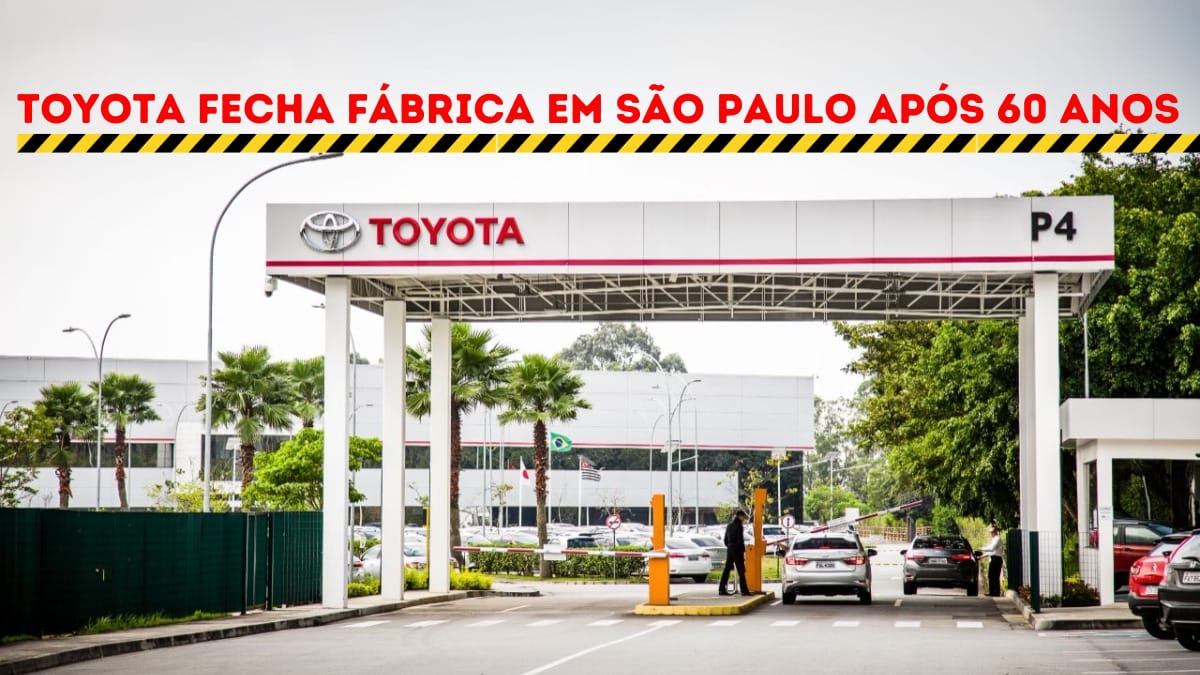

Toyota Completes Gradual Closure of Factory in São Bernardo do Campo, Marking the End of an Era. With 550 Employees, the Closure Raises Questions About the Social Impact and the Future of the Industry in the ABC Region.
After months of preparation and adherence to the established schedule, Toyota officially closed its operations at the historic factory in São Bernardo do Campo (SP). The last parts came off the production line on November 11, and the gates were permanently closed last Thursday, November 16. This not only marks the end of an era but also raises concerns for the local industry.
Toyota Employees Face Decisions Between Transfer and Voluntary Dismissal Plan
The announcement of the end of operations was made in April 2022, marking the end of an era for the unit that played a key role in Toyota’s industrial expansion in Brazil.
The factory, inaugurated in 1962, was the first outside Japan and served as the company’s administrative headquarters in the country.
-
Rolls-Royce Turns Heads with 30-Inch Floating Wheels, 6.6-Liter V12 Engine, and 563 Horsepower

-
2019 Kia Sportage EX: A Spacious and Cost-Effective SUV with 2.0 Flex Engine and Panoramic Roof
-
Fiat Strada Becomes Top Seller in June, Surpassing Onix, Polo, Hilux, and T-Cross with 107 HP Engine and 732 km Range.

-
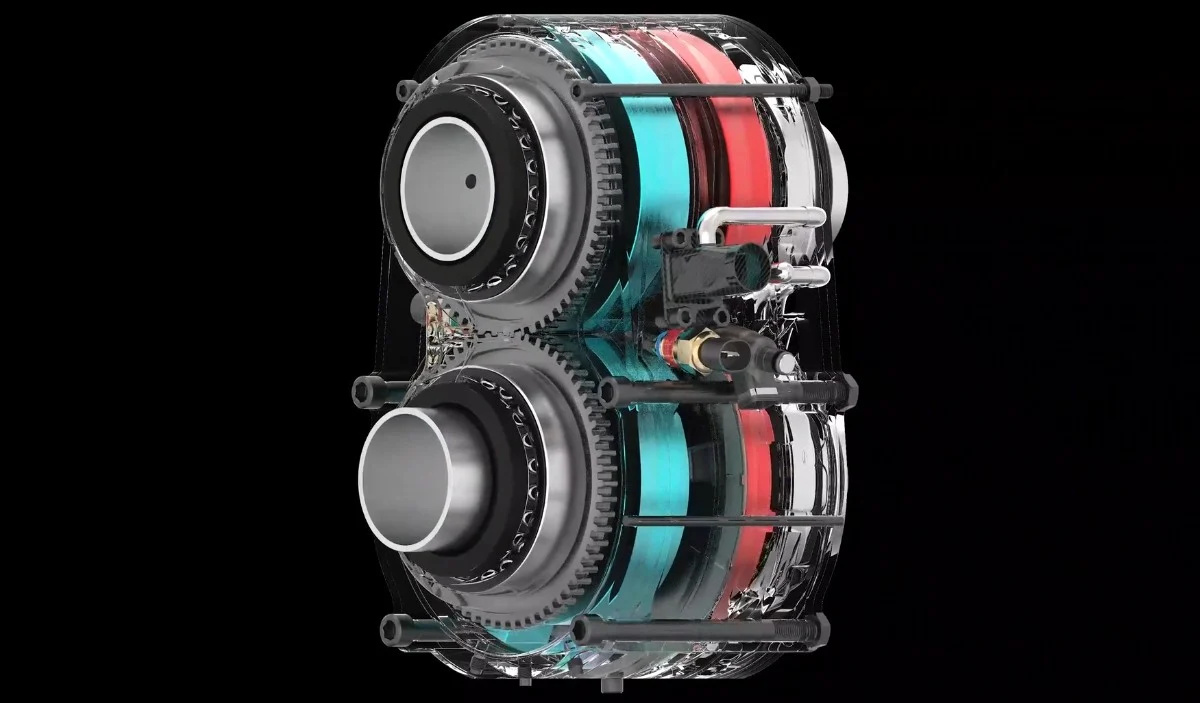
Suitcase-sized hydrogen engine spins at 25,000 rpm, nearly doubling the efficiency of conventional cars and replacing exhaust smoke with water vapor


The deactivation occurred as planned, gradually, until reaching its final point in November 2023.
During this period, Toyota offered the 550 employees options such as transfer to its factories in the interior of São Paulo or joining a voluntary dismissal plan (VDP), both with special conditions.
The São Bernardo do Campo unit played a strategic role in producing parts for the engine line in Porto Feliz (SP) and in manufacturing components for export for the assembly of the Camry sedan engine in the United States.
Metalworkers Union of ABC Proposes Debate on the Future of Industry in the Region
Moisés Selerges, president of the Metalworkers Union of ABC, lamented Toyota’s decision and emphasized the need for broader reflection on the deindustrialization process in the region.
“The ABC in terms of logistics, infrastructure, and supply chain is a hub for Brazil. We need to discuss the importance of the industry, which we believe is fundamental for the country’s growth. We will continue to demand policies aimed at the sector so that there will be growth and opportunities for new companies to establish themselves in Brazil and especially in the ABC”, stated Selerges.
With remaining units in Sorocaba, Indaiatuba, and Porto Feliz, Toyota maintains its operations in Brazil, continuing the production of models such as Yaris, Corolla Cross, Corolla, and engines, respectively.
The closure of the São Bernardo do Campo factory marks not only the end of an era but also raises questions about the industrial future of the region and the country as a whole.
See: Toyota Closed the Factory in São Bernardo do Campo