





 Portuguese
  English
  Spanish
  3 min of reading
  2 comments


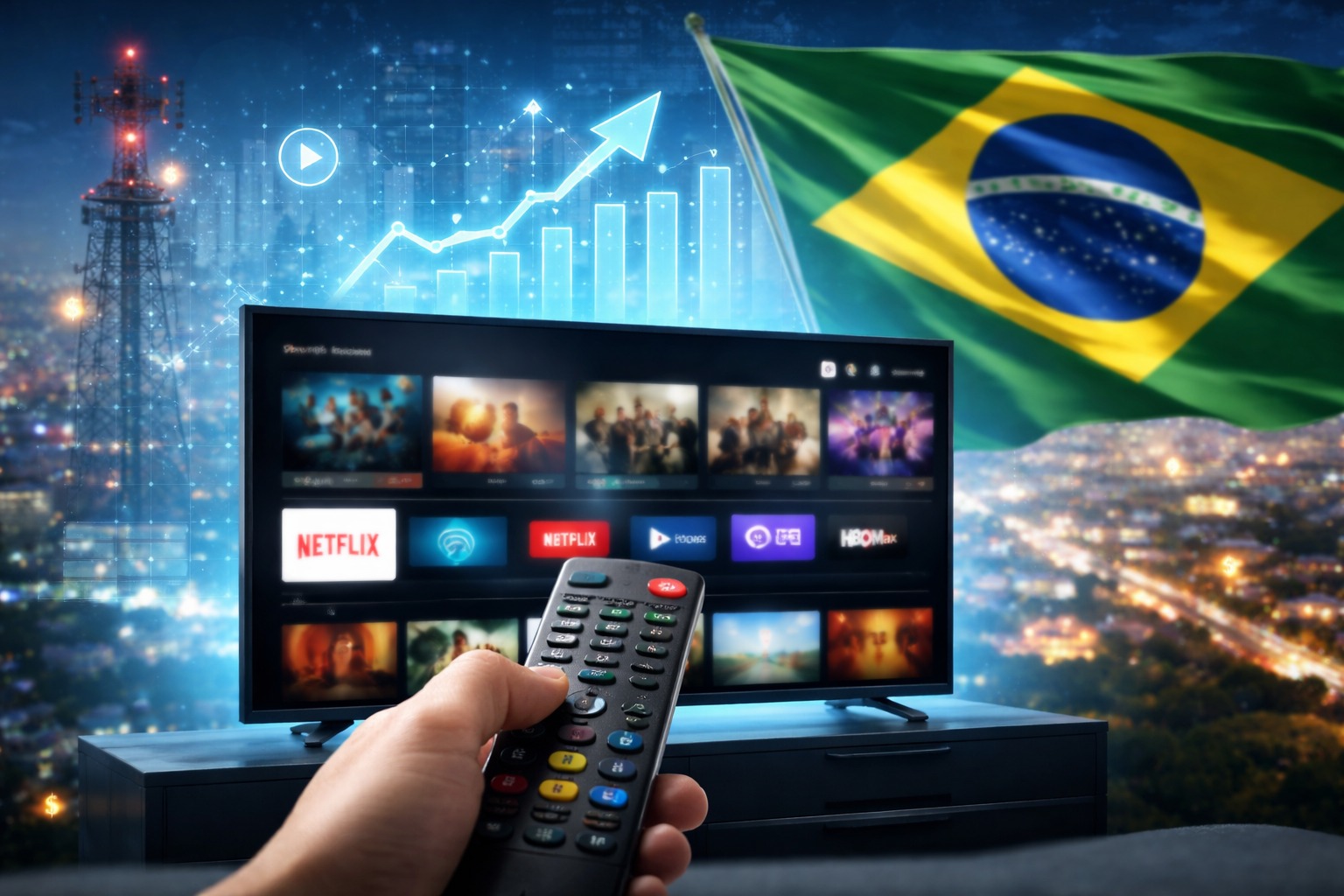


Streaming in Brazil Reaches Nearly 40% of Domestic Consumption, Reduces Gap to Less Than 20 Points from Broadcast TV, and Drives Global Investments of US$ 101 Billion in Content by 2026
The streaming in Brazil already represents nearly 40% of media consumption in households, reducing the gap to broadcast TV to less than 20 percentage points and driving global investments in content that are expected to reach US$ 101 billion by 2026, according to market projections.
The advancement of streaming in Brazil reshapes media consumption and shortens a historical distance from traditional broadcast television.
Video-on-demand platforms are consolidating an increasing share, while open and subscription broadcasters are revising strategies to respond to changing audience behavior.
-
A giant golden ball in the middle of gardens in India was assembled with 1,415 discs, took decades to be completed, and transforms sunlight into controlled central lighting.

-
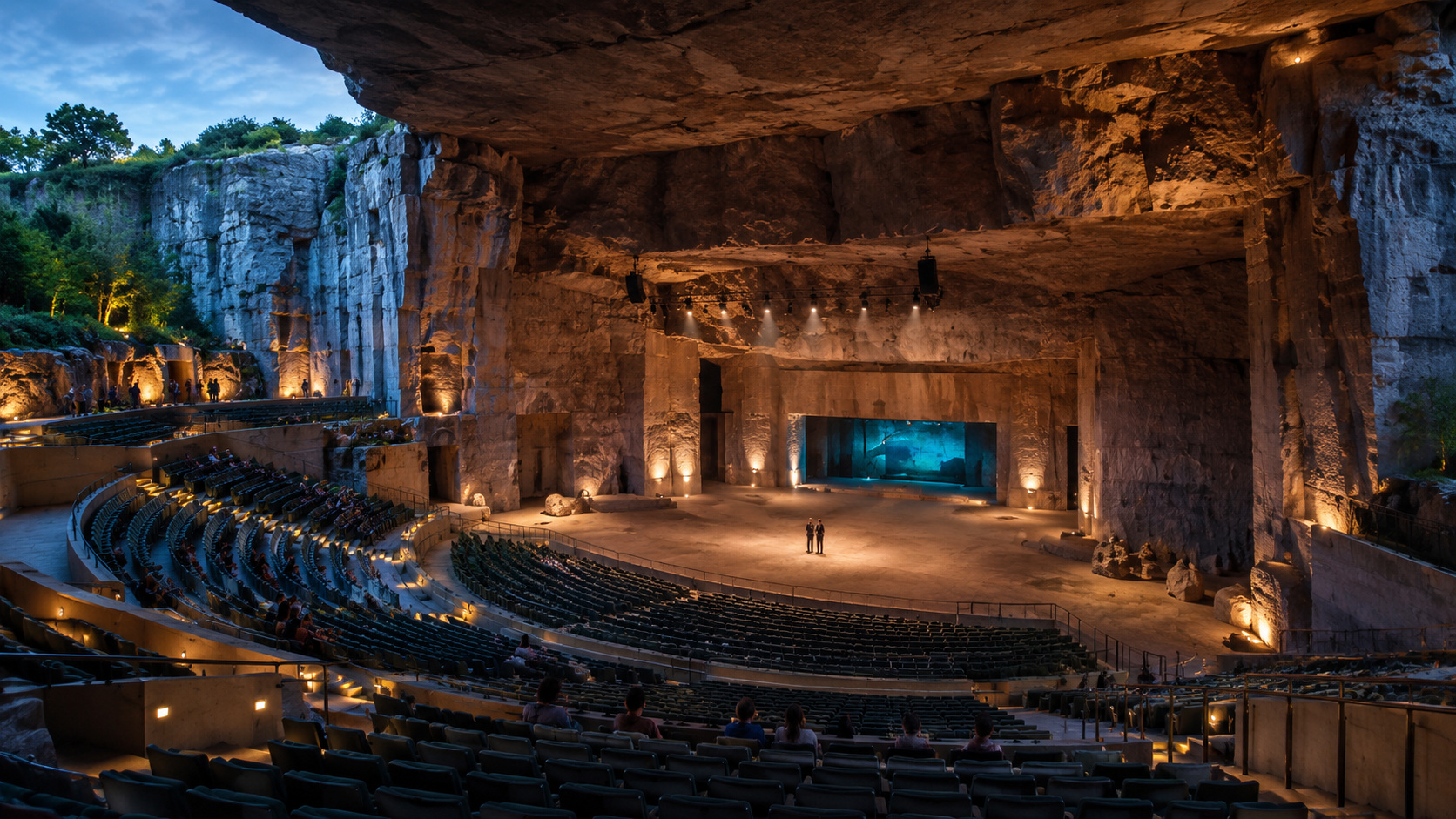
While many modern works still try to hide concrete and steel, in Hungary an ancient quarry used since Roman times has become a cave theater with 760 seats, a stage within the rock, and an area of 4,600 m².
-
Brazil will deactivate more than 35 oil platforms by 2030 in a market estimated at R$ 306 billion, but it has no qualified shipyard, no approved law, and no defined tax regime to do the work domestically.

-
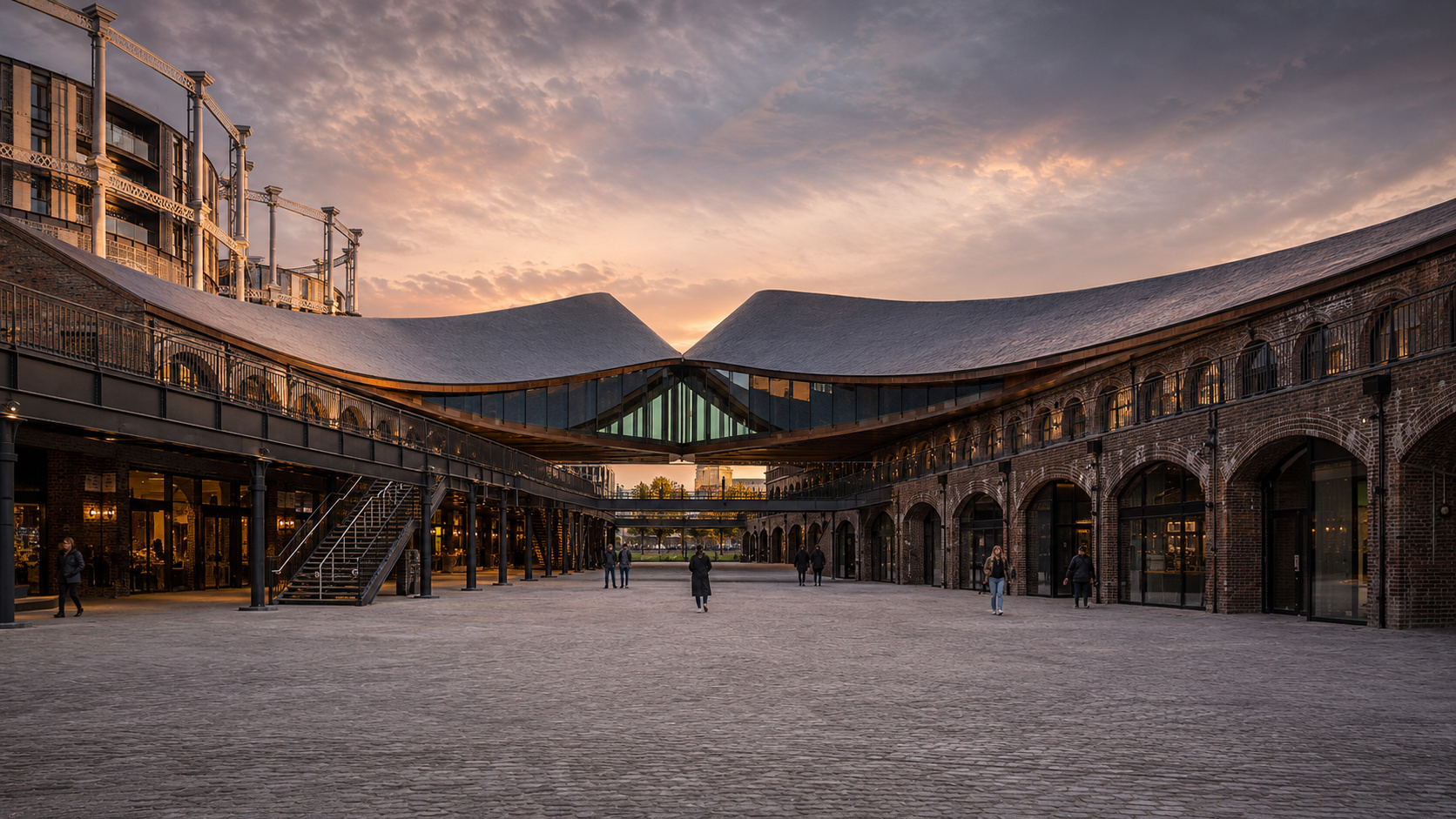
Instead of demolishing old coal warehouses, London doubled their roofs until they met in the center and created one of the most curious renovations in King’s Cross.


Streaming in Brazil and the Change in Consumption Habits
The growth of streaming in Brazil reflects a prioritization of flexibility, on-demand access, and cross-platform availability.
The audience is beginning to choose when and how to watch, altering patterns established by linear, open, and subscription TV.
In the global scenario, projections indicate a 6% increase in content investments, totaling around US$ 101 billion by 2026.
Despite still holding the largest share of consumption, traditional TV is gradually losing ground to the advancement of digital platforms.
Live sports events have become a strategic asset for expanding audiences and retaining subscribers. This movement reinforces streaming in Brazil as a relevant channel for live broadcasts, extending its presence beyond the on-demand catalog.
Reduction of Traditional Broadcast TV Advantage
The difference between streaming in Brazil consumption and that of broadcast TV has fallen to less than 20 percentage points.
Subscription TV is experiencing a faster decline and now represents a fraction of consumption compared to digital platforms.
This change affects the advertising revenue of broadcasters, who need to innovate in formats, distribution, and digital presence to maintain relevance.
The competitive environment demands quick adaptation to new audience dynamics.
Economic Impact and Regulatory Debate
The streaming in Brazil follows a global trend that projects digital platforms representing about 40% of the entire content market by the end of 2026.
The growth expands discussions about space for national productions in international catalogs.
Regulatory proposals are gaining traction with the objective of stimulating Brazilian productions and ensuring greater visibility for local works. The topic is becoming part of the debate on balancing the global market and national content.
Projections for the Media Market
As streaming in Brazil approaches, and may surpass, traditional TV in audience, the media sector is entering a decisive phase.
Broadcasters, producers, and advertisers need to adjust strategies in the face of a more digital and demanding audience.
In this context, investing in relevant content, technological innovation, and valuing national production ceases to be a differential and becomes a condition for remaining in the market, consolidating the ongoing transition in media consumption in the country.
With information from Crusoe.







O que está acabando com a tv aberta é que os donos de emissoras estão recebendo milhões de publicidade do governo e fazendo que a mídia tradicional tenha um lado político e começa atacar o outro lado político e fazendo que ás pessoas percam o interesse pela mídia tradicional, procura a verdade nas redes sociais.
Faltou na matéria falar sobre o novo padrão de transmissão da tv aberta Brasileira que é a TV 3.0 (DTV+) que.sera a junção da tv aberta (broadcasting) com a Internet (broadband) tudo em um mesmo ambiente. A emissoras passarao a ser mais um aplicativo do ecossistema dos Streams e assim vai poder concorrer em pé de igualdade. Podendo ter conteúdos e comerciais personalizados trazendo tidass as métricas de CPM,CPA para p modelo da tv aberta.