Portuguese
  Spanish


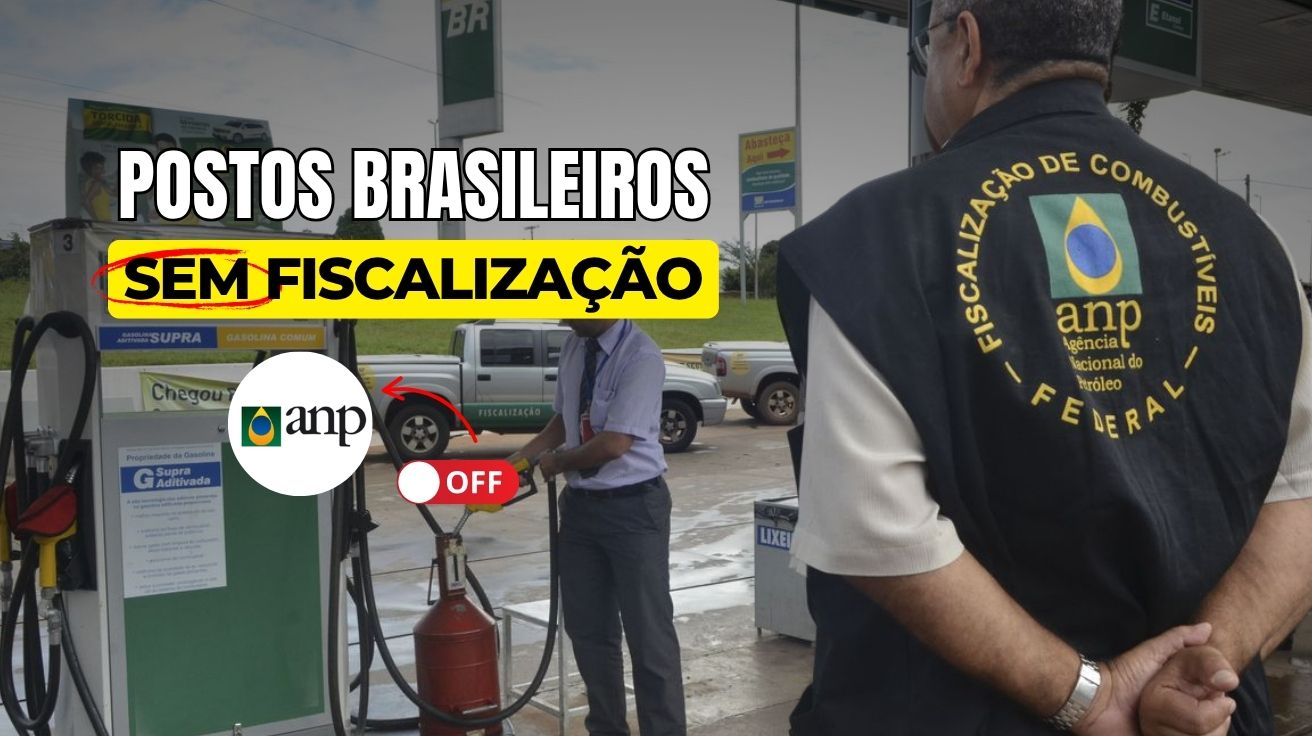


ANP Oversight Faces Temporary Suspension Amid Budget Cuts, Essential Sector Operations May Be Affected Throughout Brazil.
The National Agency of Petroleum, Natural Gas and Biofuels (ANP) announced on June 23, 2025, the total suspension of the Fuel Quality Monitoring Program (PMQC) at gas stations, halting analyses from July 1 to July 31.
This measure is part of an emergency plan to mitigate the impacts of the budget cuts imposed on the agency by the federal government.
According to the information, the decision came from the Collegiate Board and directly affects the monitoring of fuel quality nationwide.
-
Brazilian Construction Retail Chain Closes After 60 Years, Begins Liquidation Sale Across Five Cities

-
Brazil Approves Landmark Bill Requiring Workplace Adaptations for Autism Inclusion

-
Brazil’s Micro-Entrepreneur Program May See Major Changes: Income Cap Could Increase to R$ 130,000, Annual Inflation Adjustments, and Allow Hiring of an Additional Employee
-
DoorDash Founder Tony Xu, CEO of an $85 Billion App, Becomes Delivery Driver for an Hour, Completes Four Orders, Makes $19


Additionally, the ANP also determined cuts in resources allocated for in-person inspections at gas stations, which includes cuts to per diems, airfare, and the transportation of inspectors.
Impacts of the Suspension of the Fuel Quality Monitoring Program
The Weekly Fuel Prices Survey (LPC), another fundamental tool for transparency in the retail prices practiced, has also been impacted.
The number of monitored municipalities will be reduced starting from the second half of the year.
The initial forecast of 459 cities has been changed to 390 for gasoline, ethanol, and diesel, and 175 for liquefied petroleum gas (LPG).
Historic Budget Cut to ANP Compromises Oversight
The ANP’s budget has been experiencing significant reductions for over a decade.
In 2013, the funds allocated for discretionary expenses — those not mandated by law — totaled R$ 749 million, already adjusted by the Broad Consumer Price Index (IPCA).
In 2024, this amount fell to R$ 134 million, representing a reduction of 82%.
For 2025, the initially projected budget was R$ 140.6 million.
However, a presidential decree published on May 30 blocked R$ 7.1 million and contingenced another R$ 27.7 million, reducing the total available to R$ 105.7 million.
In an official statement, the ANP stated that it is “concentrating efforts to try to reverse this situation with the relevant authorities, seeking to restore the agency’s limits to levels that allow for the continuity of planned operations for the fiscal year of 2025”.
Suspension of the PMQC and Risks for Consumers and the Market
The suspension of the PMQC, even if temporary, increases risks for consumers and market stability.
Without monthly analyses, samples of gasoline, hydrated ethanol, and diesel are no longer tested for quality and compliance.
This compromises the ability to identify adulterations and combat illegal practices in the fuel sector.
Frauds Detected by ANP Reinforce the Importance of Oversight
The importance of this oversight becomes even more evident given the frauds recently recorded by the ANP itself.
In June, the agency detected gasoline with ethanol content adulterated by up to 92% at gas stations in Piraí, in the interior of Rio de Janeiro — the legal limit is approximately 27%.
In the same operation, fuel dispensers were found with a volume deviation of up to 2.5%, five times higher than allowed.
Also in May, operations in São Paulo and cities in the interior of São Paulo resulted in the closure of gas stations and the seizure of equipment after irregularities were found.
The joint action with the Civil Police and regional consumer protection agencies strengthened oversight in states where fuel consumption is higher.
Irregularities in Mandatory Biodiesel Blending in Diesel
Another concerning data point came from the diesel analysis.
Reports released in June showed that around 6% of the samples collected were out of standard, many of them with biodiesel percentages below the minimum required of 14%.
This rate exceeds the non-compliance levels found in gasoline (2%) and ethanol (3%).
Punitive Measures to Combat Frauds in the Fuel Sector
These infractions reinforce the need for constant action by the ANP, as the agency regulates the market, ensures the quality of products sold to consumers, and curbs unfair practices among distributors.
The absence of this oversight can promote the proliferation of frauds and compromise vehicle, environmental, and economic safety.
To face this scenario, the ANP has also begun to apply, since June, new penalties outlined in Law No. 15,082/2024.
Now, companies caught in irregularities can be fined up to R$ 500 million, depending on the severity of the infraction.
The Legal Fuel Institute (ICL), in turn, proposed to the agency the classification of intent — that is, the intention behind the infraction — as a way to enhance the effectiveness of punishments.
Consequences of the Reduction of Oversight for Consumers
With the temporary suspension of the PMQC and the reduction of LPC coverage, industry experts warn that consumers will become more vulnerable to unjustified price variations and to purchasing products that do not meet technical specifications.
Without continuous oversight, frauds such as those identified between May and June may become more frequent and less traceable.
Even in the face of severe cuts, the ANP has managed to demonstrate the relevance of its actions in defense of fuel quality and transparency in the sector.
Cases like those reported in Rio de Janeiro and São Paulo show that active monitoring is essential to inhibit illegal practices and ensure consumer trust.