Portuguese
  Spanish


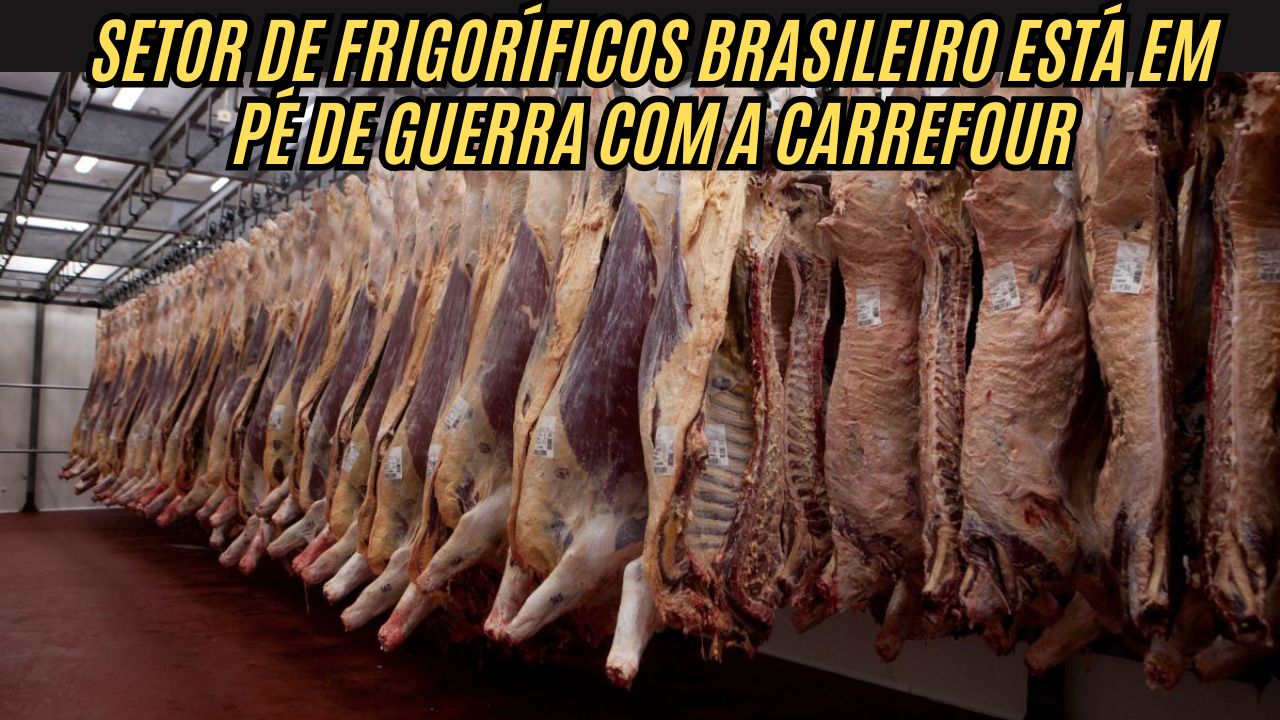

Retaliation To Carrefour’s Boycott Against Mercosur May Affect Shelves In Brazil And Intensify Conflict With The Meat Sector.
The Brazilian meatpacking sector is at war with the supermarket chain Carrefour. Last Friday (22), some of the main companies in the segment began to interrupt the supply of meat to the retail giant and its subsidiaries, such as Atacadão. The information was revealed by Valor Econômico, which spoke to sources linked to the meat industry.
The measure is a response to the boycott announced by Carrefour’s global CEO, Alexandre Bompard, last Wednesday (20). The French executive decided to suspend the purchase of meat from Mercosur countries as a demonstration of support for the European agribusiness, which opposes the trade agreement between Mercosur and the European Union.
According to reports, about 30% of Carrefour stores in Brazil are already facing difficulties in supplying beef. The movement is also reportedly gaining momentum among chicken suppliers, while pork distribution remains unchanged for now.
-
Northern Brazilian ports surpass the South as the country’s largest grain corridor amid record harvest

-
Amazon launches its own brand in Brazil a week before Prime Day, following a $3.7 billion investment and the establishment of over 300 distribution centers nationwide by 2025.

-
Trump’s 50% Tariff on Brazilian Goods Cuts U.S. Exports by 30%, Brazil Sets Records in 42 Countries and Germany Becomes Top Coffee Buyer
-
Brazil Harvests Record 358 Million Tons of Grain but Lacks Storage for 134 Million Tons


International Context And Tension In Agribusiness
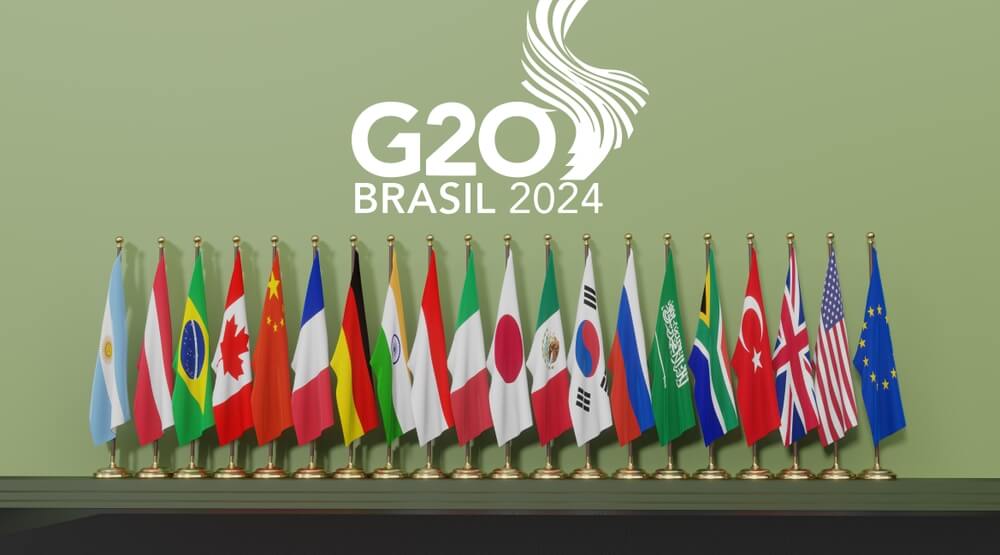
The backdrop of this dispute is the controversial Mercosur-EU agreement, whose first phase was finalized in 2019 but faces resistance, especially from France. During the G20 Leaders’ Summit held recently in Rio de Janeiro, French President Emmanuel Macron reiterated his opposition to the agreement. For Macron, the current terms threaten the French agricultural sector, which follows stricter environmental regulations than those applied in Mercosur countries.
Additionally, the French government questions the lack of more solid commitments regarding climate change and biodiversity preservation. This stance has been widely criticized by Brazilian agribusiness entities, which see Carrefour’s decision as a reflection of these political pressures.
Positions And Repercussions
Carrefour stated, in response to Valor Econômico, that there is no shortage in its stores and reinforced its commitment to Brazilian consumers. However, companies like JBS and Frigol chose not to comment, while Marfrig and Minerva also avoided discussing the case.
On the other hand, a note of repudiation released by major agribusiness entities such as CNA, ABIEC, and FIESP directly attacked Carrefour’s global CEO. The text suggests that if Mercosur is not considered a quality supplier for France, it also should not supply Carrefour’s operations in other countries.
The Impact On The Shelves And Meatpackers
The tension between meatpackers and Carrefour could be a harbinger of larger problems in the supply chain. If the interruption in the supply of beef gains momentum and expands to other proteins, the impact on Brazilian shelves will be inevitable. More than a commercial dispute, the clash reflects a geopolitical conflict that places Brazil, and especially its agribusiness, at the center of a global dispute.
So far, the meatpacking sector seems determined to maintain its position. The future of this clash will largely depend on the capacity for dialogue between the parties involved and the evolution of negotiations regarding the Mercosur-EU agreement.