






 Portuguese
  Spanish





With Only US$ 5,000 Cash and No Credit, Fred Smith Bet Everything in Las Vegas, Won US$ 27,000, and Avoided FedEx’s Bankruptcy in the 1970s.
In the early 1970s, FedEx was far from the global logistics empire that today connects over 220 countries and handles billions of packages each year. The company, newly founded by Frederick W. Smith, faced an imminent financial collapse that threatened to end the project before it even scaled. The episode that would become one of the most emblematic in American entrepreneurship history occurred when the company had only US$ 5,000 cash, while needing to pay US$ 24,000 for fuel to keep its planes operating.
FedEx on the Brink of Bankruptcy in Its Early Years
Officially founded in 1971 and starting operations in 1973, Federal Express was born with a bold proposition: to create an integrated air transportation system for fast and reliable deliveries, something practically nonexistent at the time.
The model required own aircraft, distribution centers, and a continuous logistics network, which meant exorbitant costs from day one.
-
Man Disguises as His Own Mother to Collect €3,000 Monthly Pension, but Makeup and Beard Stubble Raise Suspicions at Registry Office

-
Brazilian Airport to Receive $2.8 Million Investment, Completion Expected Within a Year

-
UN Warns of AI’s Environmental Impact and Calls for Greater Corporate Transparency

-
Former Atacadão Employee Turns Online Cake-Baking Lessons into a Confectionery Brand with Factory, Store, Delivery, and Nearly $400,000 in Revenue






Before reaching any profitability, FedEx had already accumulated heavy fixed expenses, mainly related to fuel, aircraft maintenance, and payroll. Banks refused credit, investors expressed skepticism, and the company did not have sufficient cash flow to meet basic commitments. The situation was so critical that, without paying for fuel, the planes would simply be grounded.
The Extreme Decision in Las Vegas
Faced with the impasse, Fred Smith made a decision that, under normal circumstances, would be considered irrational from a business standpoint. With no financing alternatives and operations about to halt, he traveled to Las Vegas, taking with him the remaining US$ 5,000 of the company.
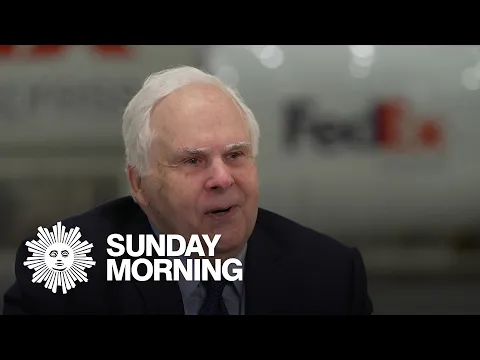
During a weekend playing blackjack, Smith managed to turn that amount into around US$ 27,000. The amount did not resolve FedEx’s structural problems but was enough to pay for immediate fuel and keep the company running for a few more days, crucial time to seek a definitive solution.
This episode was not a business plan but a survival maneuver. Smith himself later acknowledged that it was a desperate act, yet decisive in buying time at a moment when bankruptcy seemed inevitable.
How US$ 27,000 Kept a Company Alive
The money obtained from the casino allowed FedEx to honor the fuel bill and keep its fleet operational. In logistics, stopping means dying, as customers lose trust immediately when deadlines are not met. By avoiding a disruption in deliveries, Smith preserved the company’s most valuable asset at that stage: the initial credibility of the service.
With operations running, albeit precariously, FedEx demonstrated that the model was operationally viable. This opened the door for new rounds of fundraising, which would come shortly thereafter.
The Capital That Came Next and Changed Everything
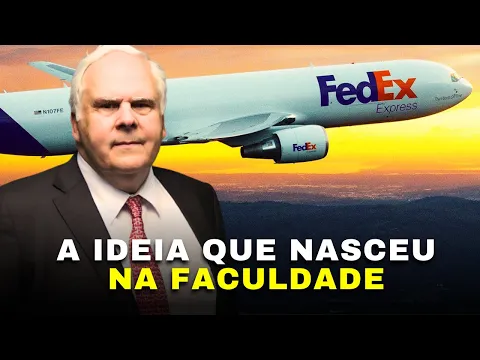
After overcoming the most critical moment, Fred Smith was able to raise approximately US$ 11 million in new investments, a sum that provided real breathing room for the company. This capital allowed for fleet expansion, logistical network adjustments, and improved operational efficiency.
From then on, FedEx entered a trajectory of rapid growth. The concept of integrated express delivery, initially seen as risky, proved to be revolutionary. Within a few decades, the company would become a global reference in logistics, air freight transportation, and supply chain solutions.
What This Story Reveals About Extreme Entrepreneurship
The Las Vegas episode is often cited as a symbol of the extreme risk that some entrepreneurs face in the early stages of disruptive businesses.
It is not about romanticizing gambling or impulsive decisions, but understanding the context: with no access to credit, no investors, and immediate fixed costs, Smith chose the only option available to keep the business alive for a few more days.
This story also exposes a little-discussed reality: many companies that are now global giants came dangerously close to disappearing, not due to a flawed model but because of a lack of capital at the wrong moment.
From Desperate Bet to Global Giant
Decades later, FedEx operates with annual revenues in the tens of billions of dollars, a fleet of hundreds of aircraft, and one of the most sophisticated logistics networks on the planet. The contrast with that weekend in Las Vegas could not be greater.
The episode does not define FedEx, but helps explain how resilience, timing, and critical decisions under pressure can separate companies that disappear from those that enter history.
In an industry where delays of hours cost millions, FedEx’s survival began precisely when everything indicated it would not get off the ground.





