Portuguese
  Spanish


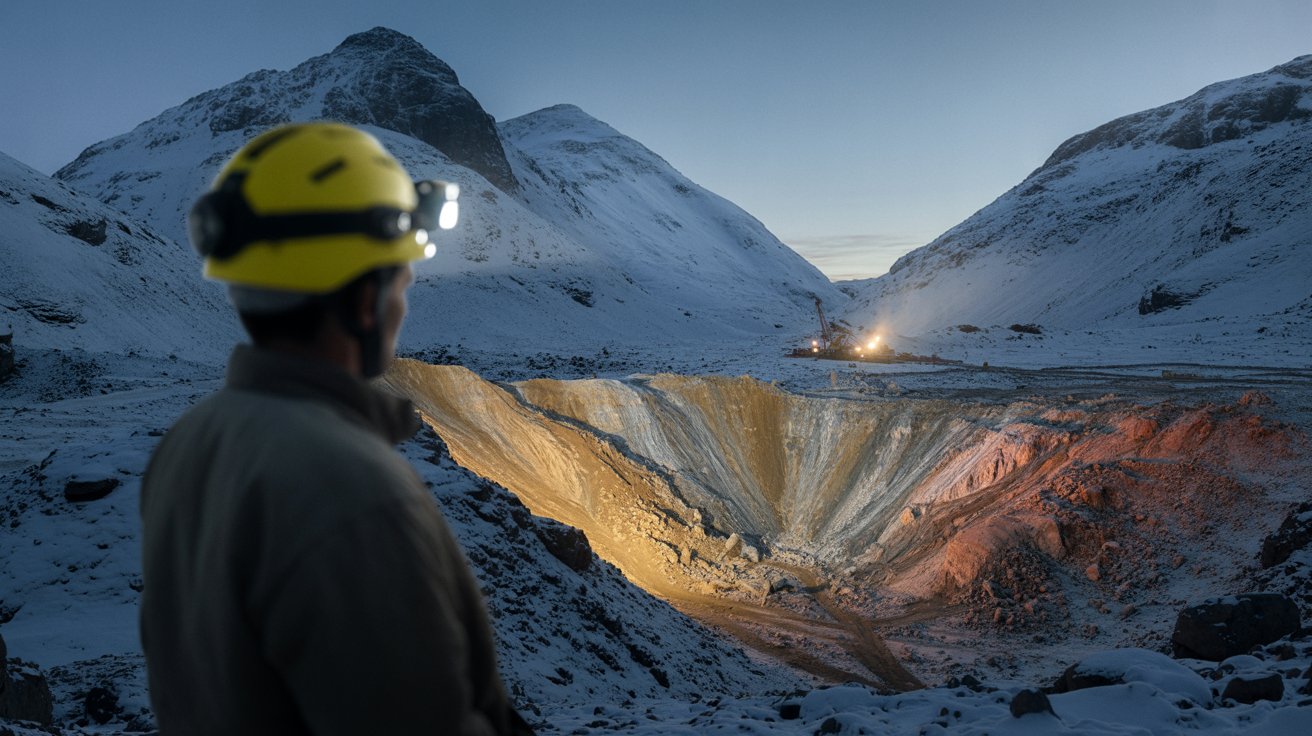


A Monumental Find In The Andes Reveals One Of The Largest Concentrations Of Precious And Strategic Metals Ever Identified, Sparking Global Interest In Its Economic And Scientific Potential.
Hidden in the mountains of the Andes, one of Earth’s greatest natural treasures has been identified in Argentina.
In a remote area of the province of San Juan, geologists have confirmed the existence of a mega deposit of copper, silver, and gold whose magnitude impresses even the most experienced experts.
The area, investigated for decades, has revealed an unprecedented concentration of these metals, opening a new chapter for global mining.
-
21-Year-Old Brazilian Student Turns Homemade Popsicle Hobby into $100,000-a-Month Business

-
Australia Dumps Hundreds of Thousands of Tons of Gravel into Rivers to Restore Natural Barriers and Reverse 150 Years of Erosion

-
Bird-Inspired Robot Glides on Air Currents up to 10 m/s, Balances Itself, and Aims to Save Energy in Industrial Inspections and Meteorological Balloons
-
Eight Artists Secretly Lived in a Hidden 70m² Apartment Inside a Shopping Mall in Brazil for Four Years



A Mineral Colossus In The Andes
The deposit is part of the so-called Vicuña district, controlled by the joint venture formed by mining companies BHP and Lundin Mining.
The partnership, named Vicuña Corp, brings together two major neighboring projects — Filo del Sol and Josemaría — which together form one of the richest mineral systems ever discovered.
Estimates indicate around 13 million tons of copper, 32 million ounces of gold, and 659 million ounces of silver, quantities that place San Juan among the most valuable provinces on the planet.
The volume impresses not only for its scale but also for the variety of metals.
Copper, essential for the manufacturing of cables, motors, and electric vehicles, is considered a strategic input for the global energy transition.
Meanwhile, gold and silver maintain an important role both as a store of value and in industrial and technological applications.
Where It Is And How The Discovery Came About
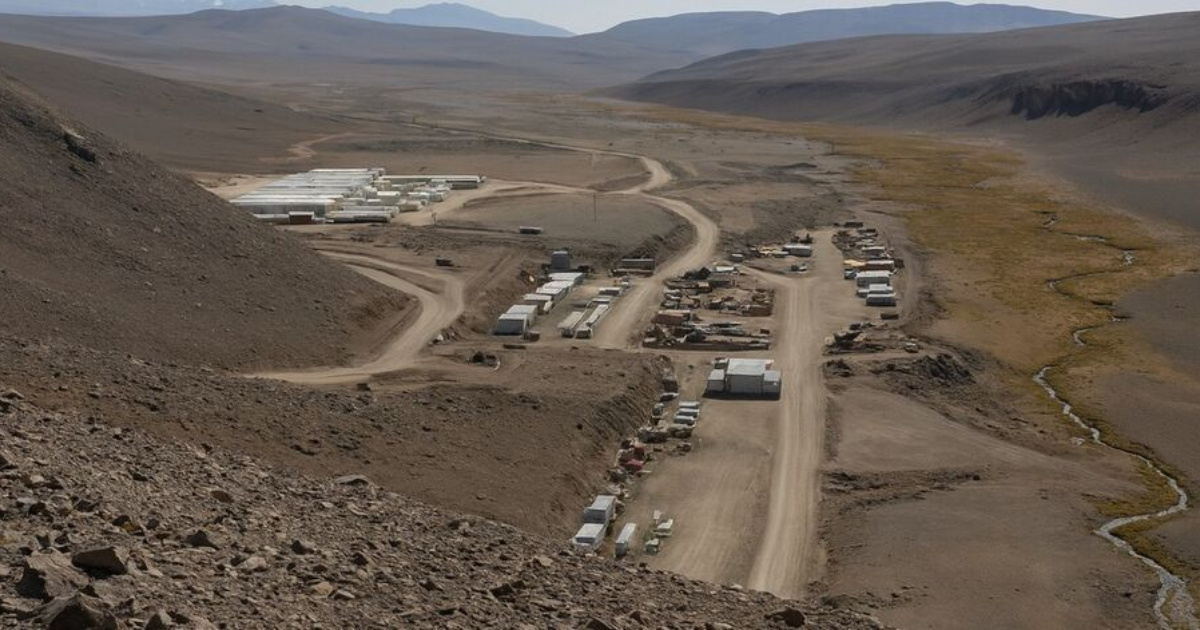
The San Juan region, once known for its arid climate and desert landscapes, has become a geological focal point.
For decades, field teams have conducted surveys in search of copper traces.
Chemical and geophysical analyses showed a continuity of ore at depth that surprised even the most optimistic researchers.
The Vicuña district extends across a border zone between Argentina and Chile, with portions of the deposits reaching the Chilean side, especially in Filo del Sol.
This binational location explains the presence of two of the largest mining companies in the world in the consortium, interested in combining infrastructure, technology, and knowledge to explore the region’s potential.
Huge Resources But Still Under Study
The numbers released so far refer to Mineral Resources, a technical classification that represents the identified potential but has not yet been converted into Reserves.
In other words, the existence of the ore is proven, but the economic and environmental viability of the exploration is still under evaluation.
Still, the known volumes place the province of San Juan in a strategic position.
Experts estimate that, once fully operational, the district could place Argentina among the top ten copper producers in the world, expanding South America’s presence in a global market dominated by Chile, Peru, and China.
Economic And Social Impact
The provincial government sees the discovery as an opportunity to diversify the economy and boost regional development.
The potential for job creation is significant, both during the construction and operational phases.
It is estimated that thousands of direct and indirect jobs will be created, in addition to new contracts for transportation, maintenance, food, and industrial services companies.
The increase in revenue also promises to strengthen local coffers, enabling investments in infrastructure, health, education, and sanitation.
According to sector analysts, the project has the potential to completely transform the economic dynamics of the Andean region, previously marked by low industrial activity.
Technology And Sustainability
Mineral exploration in high-altitude areas, such as those in San Juan, requires cutting-edge technological solutions.
The challenge involves transportation, energy, and, primarily, water management, a scarce resource in the Andes.
Vicuña Corp claims to be developing water reuse systems, process recirculation, and real-time environmental monitoring.
The project also aims to reduce greenhouse gas emissions through renewable sources and integrated electrical transmission lines.
Local authorities emphasize the need for strict oversight and transparency in the licensing stages.
The expectation is that mining, if confirmed on a large scale, will occur within modern environmental standards, without compromising the Andean ecosystem.
The Global Race For Copper
The discovery occurs in a context of rising demand for critical metals, especially copper, driven by the expansion of electrical grids, hybrid vehicles, and renewable energy.
The world increasingly consumes this metal, while known reserves are not growing at the same pace.
That is why new large-scale deposits, such as the one in San Juan, have been termed “generational discoveries”.
In addition to the economic potential, the find reinforces South America’s role as a supplier of strategic resources for global decarbonization.
In the near future, part of the energy that powers cities, industries, and electric cars may originate from the copper extracted from Argentine mountains.

What Makes This Discovery Unique
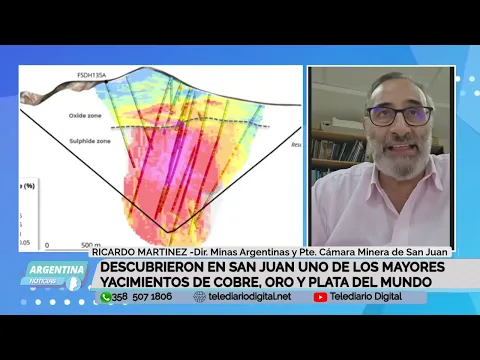
What sets the Vicuña district apart from other deposits is the integration of multiple metals and the depth of the mineralized system.
Instead of a single isolated body, there is a continuous sequence of superimposed deposits, with interconnected zones of copper, gold, and silver.
This increases the extraction potential and allows for the optimization of industrial plants, reducing costs and impacts.
Another factor of interest is the cross-border nature of the geological formation.
Few projects in the world involve large-scale binational operations, requiring cooperation between governments and distinct legislations.
The success of the enterprise could serve as a model for other mineral integration initiatives on the continent.