Portuguese
  Spanish


Germany and the Netherlands have joined forces to create a joint long-range cruise missile factory, in a European effort to manufacture the weapons it needs at home and rely less on suppliers outside the continent.
Europe has awakened to an uncomfortable reality, that it urgently needed to strengthen its ability to wage war on its own. In this scenario, Germany and the Netherlands took an important step by announcing the creation of a joint venture to produce long-range cruise missiles and artillery rockets, manufactured within the continent itself.
The new factory, named Rheinmetall Destinus Strike Systems, will be dedicated to producing long-range weapons for Europe and its allies. It is a move that mixes industry and strategy, aimed at ensuring that the continent has its own long-range attack weapons, without relying on purchasing them from outside powers, at a time of rising tensions and accelerated rearmament.
Uniting Germany and the Netherlands in the same project also has a logic that goes beyond geography. Developing and producing modern missiles is expensive and requires advanced technology, something difficult for one country to sustain alone. By pooling resources, knowledge, and orders, the two countries share the cost and risk, and also create a larger production scale, making the factory more viable. It is the type of cooperation that Europe is increasingly seeking in the area of defense, instead of each nation trying to do everything on its own, which would be more expensive and yield less.
-
Europe Orders Israel’s Light Cannon Capable of Downing Drones from Five Kilometers at Minimal Cost Per Shot

-
Turkey Delivers Self-Designed Submarines, Emerges as Naval Power Exporter in the Mediterranean
-
France doubled the firepower of the new frigates and increased the missiles from 16 to 32 tubes ready to fire.
-
Spain sent its most advanced frigate to Cyprus and set up an anti-missile shield in the Mediterranean with an eye on Iran.


The European race for military independence
For decades, much of Europe depended on weapons and military technology coming mainly from the United States. This dependence, once seen as comfortable, has become a concern in the face of recent geopolitical uncertainties. The continent realized it needed to be able to produce its own weapons, so as not to be vulnerable if external support failed at a critical moment.
I confess that this quest for independence makes perfect sense. Relying on another country to manufacture your most important weapons is a huge strategic fragility because it leaves a nation’s defense at the mercy of others’ decisions. By creating a long-range missile factory at home, Germany and the Netherlands take a concrete step for Europe to control its own military destiny, manufacturing what it needs within its own borders.
The power of long-range missiles
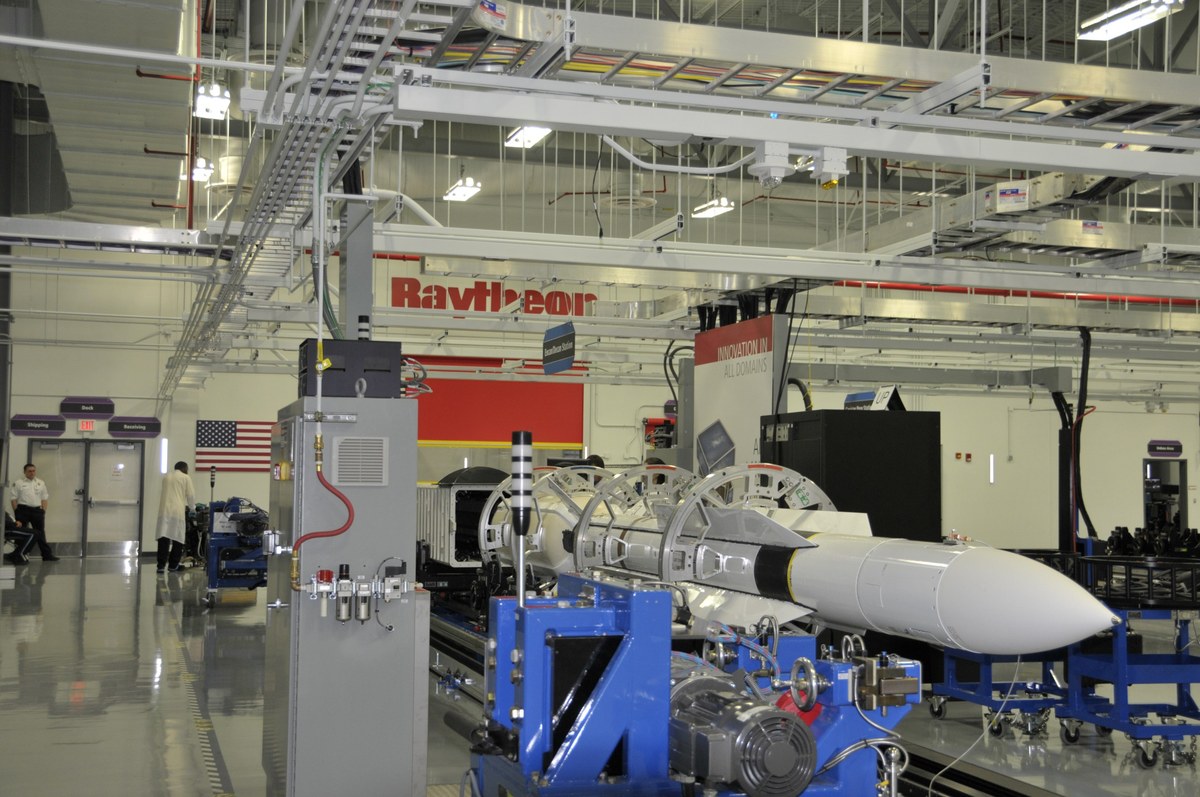
Long-range cruise missiles are highly valuable strategic weapons. They can hit targets hundreds of kilometers away with great precision, flying low to escape radar. This allows a country to attack distant enemy positions without exposing its soldiers and aircraft to danger, making them a key piece in any modern military arsenal worth its salt.
Having the ability to produce these weapons at home gives Europe an important deterrent power. Knowing that the continent is capable of manufacturing and using long-range missiles makes any adversary think twice before provoking it. It is not necessarily about wanting war, but being prepared to avoid it, because the best way to prevent a conflict is often to show that you have enough strength to respond to any threat.
Recent conflicts have left a harsh lesson about ammunition that is behind this factory. Modern wars consume missiles and rockets at an impressive rate, depleting stockpiles that took years to build. Suddenly, several European countries discovered they had little ammunition stored and limited capacity to produce more quickly. Building a factory specifically for cruise missiles and artillery rockets addresses this problem, ensuring that Europe can replenish and expand its stockpiles without having to purchase them hastily from outside in a crisis. It is a way not to be caught off guard again, learning from recent mistakes and preparing for a scenario where continuous weapons production can make all the difference.
Defense industry becoming a priority
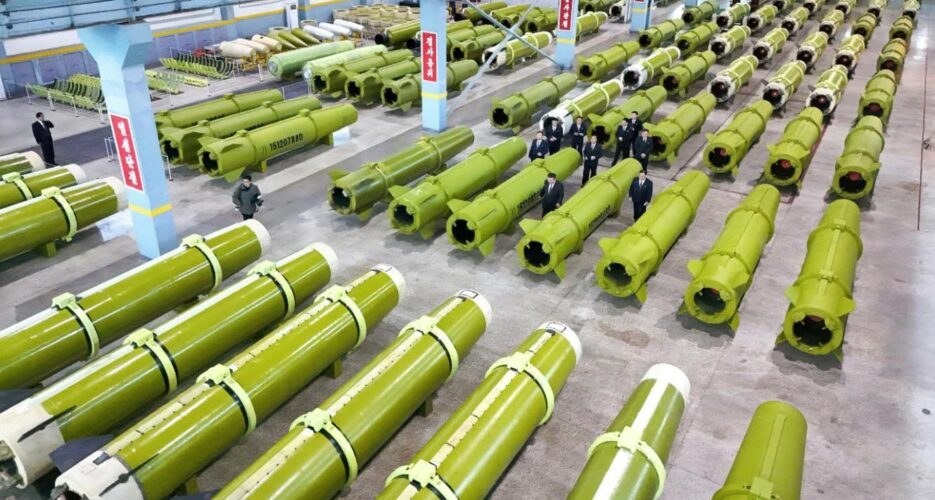
The creation of this factory reflects a larger change in Europe, turning the defense industry into a national priority. For a long time, several countries on the continent reduced their military spending, trusting that peace would last. Now, in a more tense scenario, there is a rush to rearm, invest in weapons factories, and rebuild capabilities that had been neglected.
This change has effects that go beyond the military field. Building weapons factories generates skilled jobs, boosts the economy, and develops technology that often benefits the civilian sector as well. The union of Germany and the Netherlands in this endeavor shows how defense has returned to the center of attention in Europe, becoming a driver of industry and innovation as well as a security necessity.
Europe taking care of its own defense
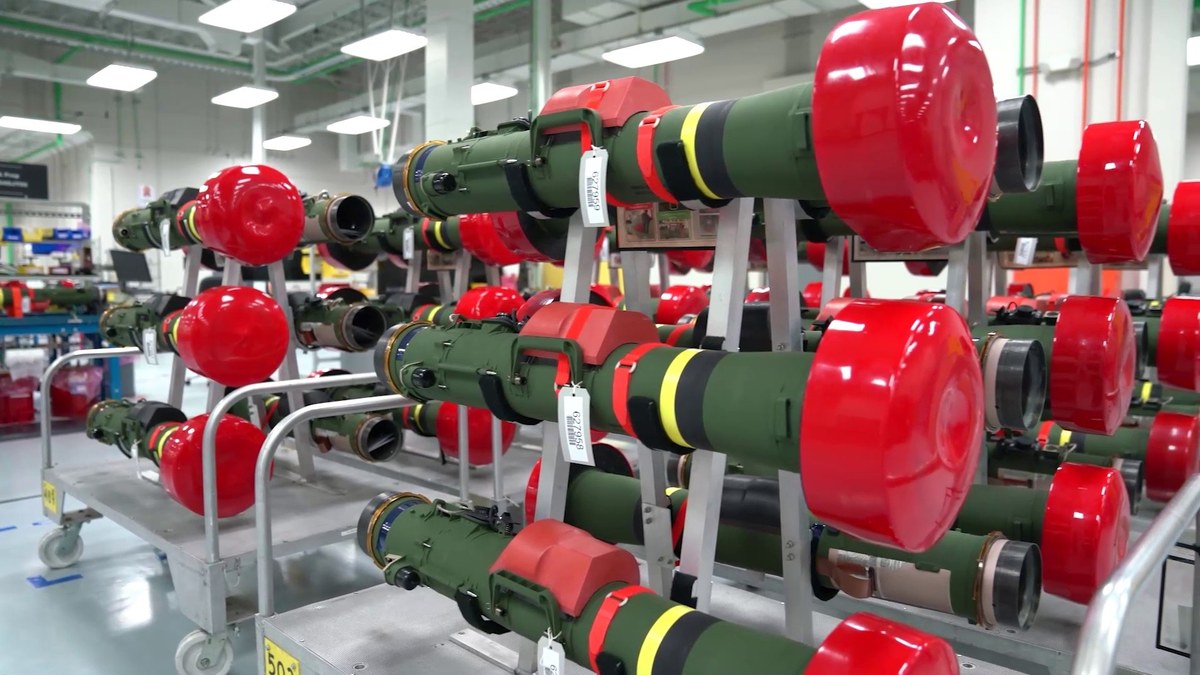
I imagine the historical weight of seeing Europe once again heavily investing in its own weapons-making capacity, a continent that has experienced devastating wars and is now rearming in the face of present uncertainties. It is a sign of the times, a mix of concern and determination not to be left unprotected if the worst happens.
The joint factory of Germany and the Netherlands is more than a weapons company; it is a symbol of this new European stance of taking care of its own defense. By producing its long-range missiles at home, the continent seeks to ensure that it will not depend on anyone for protection. In an increasingly uncertain world, having the capacity to manufacture its own weapons is once again seen as a matter of survival, and the partnership between Germany and the Netherlands suggests that other European countries should follow the same path in the coming years, joining forces to rebuild a defense industry that the continent had allowed to weaken.
Do you think it is right for Europe to rush to manufacture its own weapons instead of relying on buying them from outside?