Portuguese
  Spanish



Beijing Quietly Takes Control: Chinese Companies Gain Ground in Public Bidding and Begin to Lead Critical Clean Energy, Highway, and Railway Projects in the Country
The presence of Chinese companies in strategic projects in Brazil has been growing rapidly in recent years. More than commercial partnerships, it is a robust and planned insertion of China into key sectors of the Brazilian economy, including energy, infrastructure, electric mobility, and telecommunications. The new wave of bids won by companies such as State Grid, BYD, Huawei, and CCCC highlights this quiet but deeply transformative expansion.
An Overview of Chinese Influence in Brazil
According to a survey by the Institute of Applied Economic Research (IPEA), China was the largest source of direct investments in Brazil from 2010 to 2022, focusing on the sectors of electricity, mining, and transportation. These investments totaled over US$ 66 billion during the period, with an upward trend since 2023, especially in projects related to energy transition and digitalization of services.
The Largest Transmission Contract in History: State Grid Invests in Ultra-High Voltage Technology in Brazil
In April 2024, State Grid Brazil Holding signed, in an official ceremony held in Brasília, the concession contract for Lot 1 of ANEEL Auction 002/2023, considered the largest lot ever awarded in energy transmission auctions in the country. The agreement was celebrated in the presence of representatives from the National Electric Energy Agency (ANEEL) and the executive leadership of the Chinese company, including President Sun Tao and CEO Sun Peng.
-
Brazilian Startup Turns Coffee Grounds into Plant-Based Leather, Cutting Water Use by Over 50 Times for High-Impact Sustainable Fashion

-
Abandoned Factory in Rio’s North Zone Becomes Urban Hazard with Standing Water and Debris
-
Eco Invest Auction Aims to Unlock $10 Billion in Investments, Focusing on Green Fertilizers, Critical Minerals, Batteries, and AI for Clean Industry in Brazil

-
Half of Brazilians Prefer Lower Taxes with Private Health and Education, While 44% Opt for Higher Taxes for State-Provided Services, Datafolha Survey Reveals



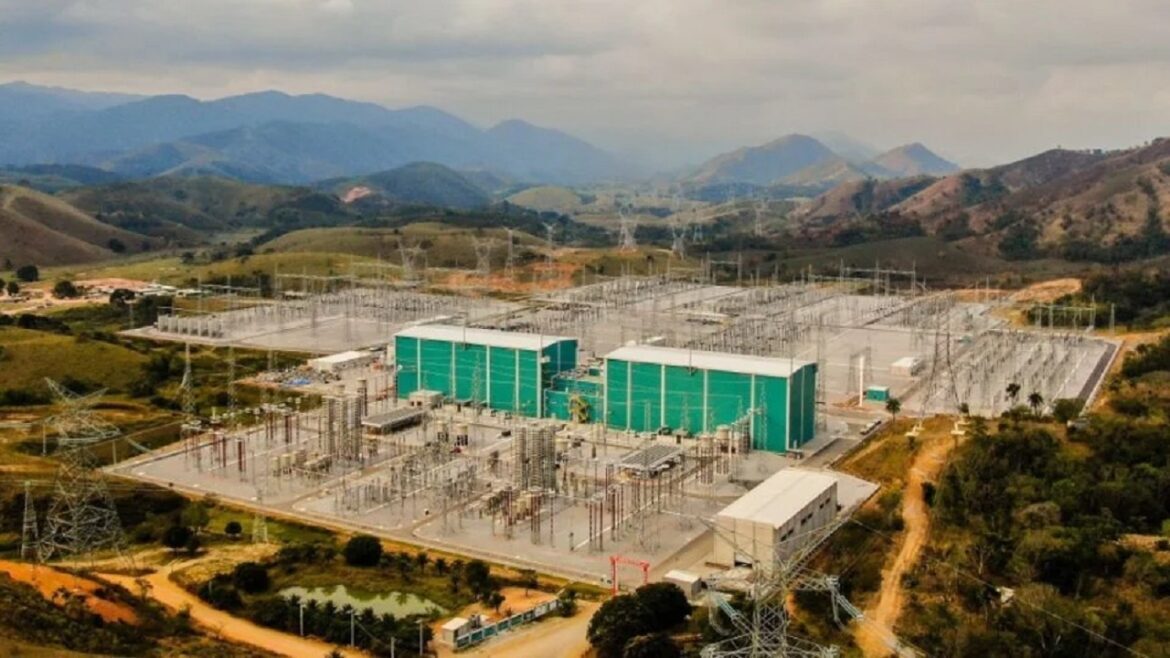
Valued at R$ 18 billion, the project includes the construction, operation, and maintenance of a direct current transmission line of 800 kV of Ultra-High Voltage (UATCC), connecting the substations of Graça Aranha in Maranhão and Silvânia in Goiás. The line will extend approximately 1,468 km, also crossing the state of Tocantins.
To facilitate the project, State Grid Brazil Holding established the company GATE – Graça Aranha-Silvânia Energy Transmission – responsible for executing the project. The initiative aligns with the company’s strategy to contribute to the modernization of the National Interconnected System (SIN) and drive development in strategic regions by generating jobs and increasing access to clean and stable energy.
“It is not just an infrastructure project. It is a project that touches the lives of Brazilians, with accessible and clean energy,” declared the minister.
CCCC and the Control of Logistical Infrastructure
The China Communications Construction Company (CCCC), one of the largest contractors in the world, has also been accumulating strategic contracts in Brazil. Among the main projects are:
- West-East Integration Railway (FIOL), which will connect Caetité (BA) to the Port of Ilhéus, transporting iron ore and grains
- Port works in São Luís (MA), in partnership with WPR
- Proposals under review for the metropolitan arc of Rio de Janeiro and the North stretch of Ferrogrão
These projects strengthen CCCC’s position in export logistics, allowing for greater fluidity in trade between Brazil and Asia.
BYD and the Electric Mobility Hub in Bahia
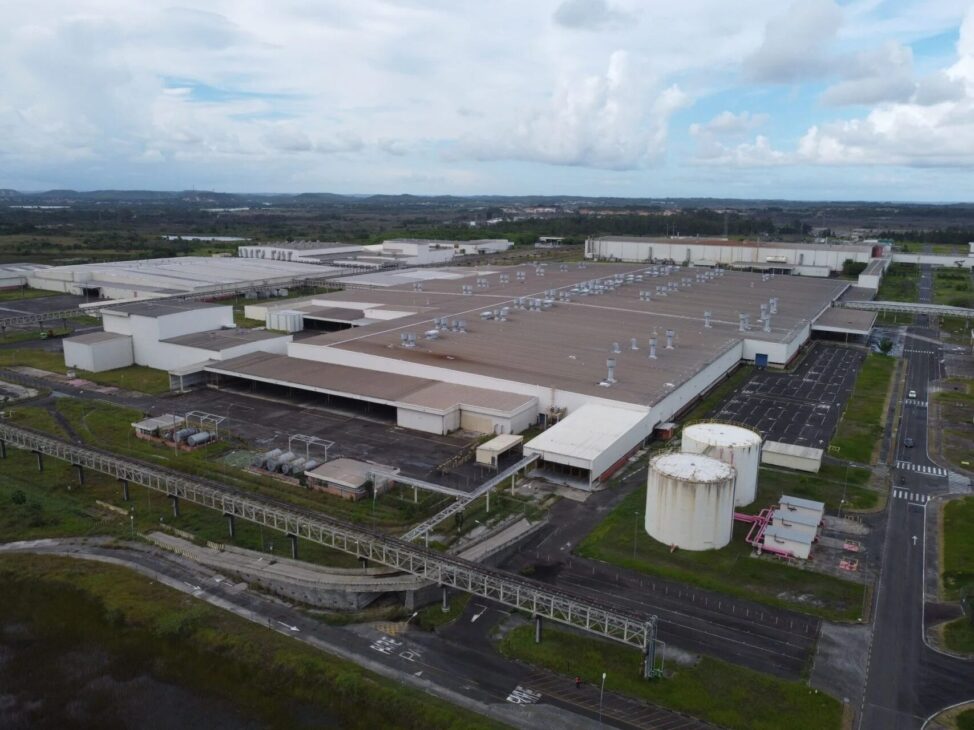
The electric vehicle giant BYD (Build Your Dreams), which recently surpassed Tesla in global EV sales, took a bold step by taking over the former Ford factory in Camaçari (BA). With R$ 3 billion in investments, the Chinese automaker promises to transform the site into a production hub for electric vehicles, batteries, and sustainable buses.
The Bahia factory will have the capacity to produce 150,000 vehicles/year, aimed at both the domestic market and exports. The Brazilian government sees BYD as one of the spearheads of the country’s green reindustrialization.
Huawei and the Advancement in Telecommunications
Despite global controversies surrounding data security, Huawei maintains a strong presence in Brazil. The company has won bids in partnerships with national operators for the implementation of 5G and 4G networks in rural areas, in addition to providing infrastructure for private industrial networks in sectors such as mining and agribusiness.
Huawei has also announced plans to establish data centers and innovation in São Paulo and the Federal District, reinforcing its presence in the Brazilian digital ecosystem.
Economic Benefits and Strategic Risks
Proponents of the Chinese presence highlight the capacity for delivery, the offer of low-interest credit, and the long-term commitment to the country. For economist Luiz Augusto de Castro Neves, former ambassador of Brazil in China:
“Chinese companies operate with a strategic vision of 20, 30 years. They invest heavily and accept slower returns, which is rare among Western groups.”
On the other hand, critics warn of the risks of dependence in sensitive sectors. The professor of International Relations at UFRJ, Maurício Santoro, notes that:
“The massive entry of Chinese state-owned companies into infrastructure and energy gives China a lever of political and economic influence that needs to be discussed transparently.”
Geopolitics: Brazil Between the USA and China
The growing Chinese prominence in Brazilian bidding occurs at a time of heightened geopolitical competition between Washington and Beijing. Brazilian diplomacy has sought to maintain a balanced position, without aligning completely with either pole.
However, the support for large contracts with Chinese state-owned companies may generate discomfort with the USA, which historically sees Latin America as a priority area of influence. The auction won by State Grid was closely monitored by US diplomacy.
What to Expect by 2030?
With the advancement of energy transition and Brazil’s reindustrialization plans, it is estimated that Chinese investments in the country will exceed R$ 500 billion by 2030. China’s participation in future bids for solar plants, green hydrogen, highways, and submarine cables is already underway.
Additionally, the new Acceleration Growth Program (PAC) is expected to open new opportunities for foreign groups, and Chinese companies are positioning themselves as favorites in various segments.