






 Portuguese
  Spanish



Study Considers New Bidding for 7,856 km of Railroad Passing Through Espírito Santo, Minas Gerais, and São Paulo, Ensuring Infrastructure Modernization and Greater Competitiveness
The Federal Government is analyzing the possibility of re-bidding for the Centro-Atlântica Railroad (FCA), one of Brazil’s largest railway networks, which spans 7,856 km and crosses seven states, including Espírito Santo, Minas Gerais, and São Paulo. The current concession belongs to VLI Logística, but its early renewal for another 30 years has not yet been confirmed. If the re-bidding occurs, new operators may take over strategic sections of the railroad, attracting more investments and increasing competitiveness in the logistics sector.
The Centro-Atlântica Railroad was granted to the private sector in 1996 and its concession is valid until 2026. The National Agency for Land Transportation (ANTT) is studying alternatives for the renewal of the contract or for a new bidding process, considering the economic viability and logistical impacts. According to ANTT’s director-general, Guilherme Theo Sampaio, if there is no agreement for the early renewal, the federal government may re-bid the railroad, possibly dividing it into sections to attract new investors.
Impact of the Re-bidding of the Centro-Atlântica Railroad and Planned Investments
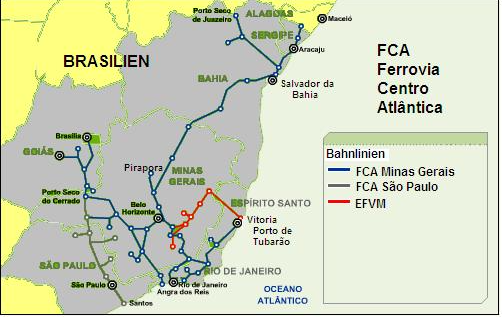
The Centro-Atlântica Railroad has a railway network of 7,856.8 km, making it one of the largest transport corridors in the country. However, only 5,725 km are included in the current renewal plan, including the Centro-Leste, Centro-Sudeste, Minas-Bahia, and Minas-Rio corridors.
-
Railway returns to prominence in Brazil after STF approval: a R$ 25.2 billion project promises to save R$ 9 billion in freight, transport 50 million tons per year, and transform Sinop into a logistics powerhouse for agribusiness.

-
Retired trains leave European tracks and become tons of steel, aluminum, and copper in dismantling yards where recycling exceeds 90%, but batteries, composites, and electronics create a new frontier of railway waste.

-
The strategic railway of Santa Catarina will receive R$ 608 million, will undergo historic modernization, and could transform logistics between Mafra and the Port of São Francisco do Sul.
-
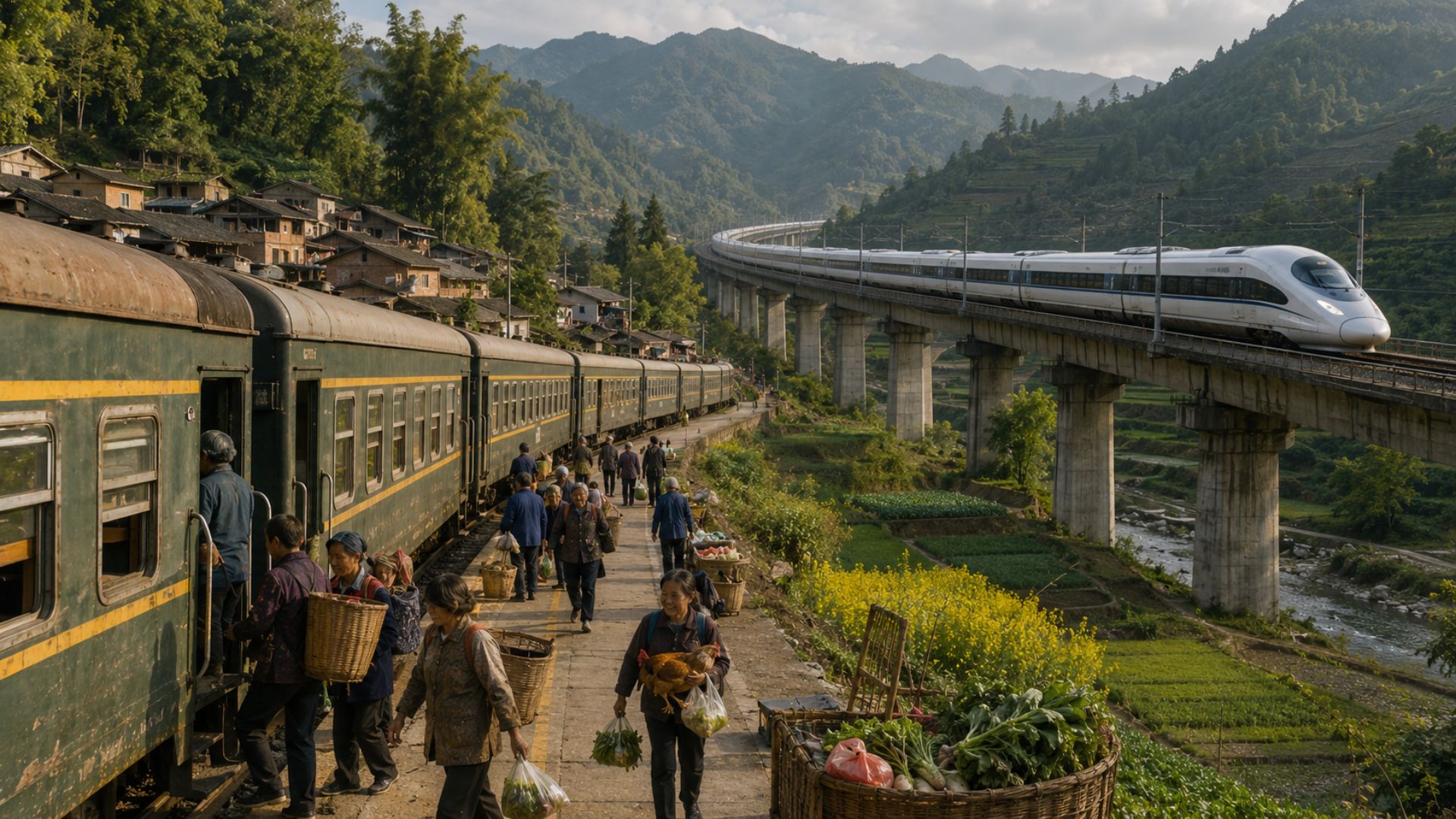
While showcasing bullet trains traveling at over 300 km/h, China maintains about 81 slow train lines that travel at 40 km/h, charge less than R$ 2 for a ticket, and cross remote villages carrying residents, students, and even chickens and vegetables to the market.


According to the Investment Partnership Program (PPI), the renewal of the concession could guarantee around R$ 24 billion in investments aimed at operational improvements and railway infrastructure. However, the government wants to ensure that these investments are well distributed and that there is no return of sections considered economically unviable by the concessionaire.
The special secretary of the PPI, Marcus Cavalcanti, emphasized that the proposals presented by VLI so far do not fully meet the government’s expectations. “We cannot accept the return of 2,000 kilometers of railways to renew only the segments that the company considers profitable,” said Cavalcanti in an interview with the CNN Brasil portal.
Possible Return of Sections to the Government
Among the proposals under negotiation, one of the most controversial points is the return of the section of the Centro-Atlântica Railroad that runs through Espírito Santo, connecting Itaboraí (RJ) to Vitória (ES). Currently, VLI does not operate directly in this area but utilizes the Vitória a Minas Railroad (EFVM), owned by Vale, for cargo transportation.
If the government decides to re-bid this section, it may be operated by a new concessionaire, increasing competition in the sector. The impact would be significant for the Port of Vitória, one of the main logistics hubs in the region, which relies on railway infrastructure for cargo flow.
Next Steps in the Decision
The Ministry of Transportation and Infra S.A. are conducting studies to compare the scenarios of early renewal with the benefits of re-bidding. The final decision is expected to be made in the coming months, considering factors such as investments, economic viability, and the impact on cargo transportation in Brazil.
The re-bidding could represent a new phase for the country’s railway network, opening up opportunities for greater modernization and competitiveness in the sector. For entrepreneurs and exporters who rely on the Centro-Atlântica Railroad, the outcome of these negotiations will be crucial to ensure logistical efficiency in the coming years.




Be the first to react!