Portuguese
  Spanish



The Government Created Rules to Fund Lithium, Nickel, and Cobalt Projects and Boost the Brazilian Battery Industry and Clean Energy Technologies. The Measure May Attract Billions and Strengthen Brazil’s Role in the Energy Transition
The federal government published on Thursday the final set of rules that will guide the Debenture Policy for Strategic Minerals Transformation Projects, one of the most anticipated mechanisms by the clean energy sector and the high-tech industry. The ordinance appears in the Official Gazette and regulates how companies will be able to issue debt securities with tax benefits to finance essential inputs for the global energy transition.
The measure positions Brazil more competitively in the international market, as the minerals covered are at the center of the value chains of batteries, permanent magnets, electric motors, storage systems, and industrial equipment. At a time when the world is racing for reliable and low-carbon supplies, the country signals its intention to turn its mineral potential into a long-term economic advantage, focusing on innovation and value aggregation.
Focus on Batteries, Magnets, and Inputs for Low-Emission Technologies
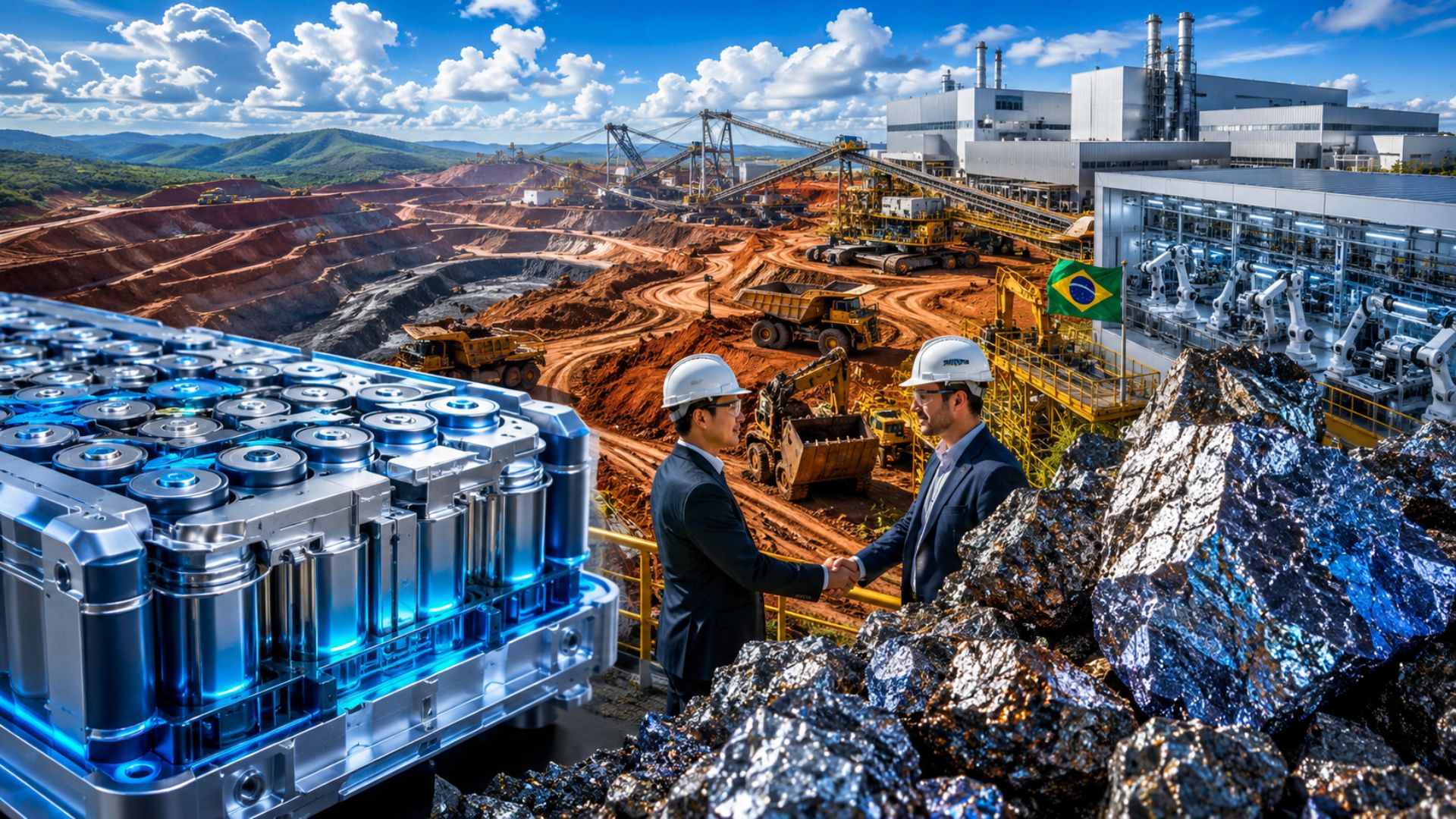
According to the government, the main goal is to attract private investors for projects that transform raw ore into higher value-added industrialized products. The policy supports initiatives involving nickel and cobalt sulfate in São Paulo and Pará, in addition to lithium carbonate in Minas Gerais, essential elements for the contemporary electric battery industry and high-efficiency magnets used in motors and turbines.
-
China could reduce iron ore imports from 80% to 50% of consumption by 2030, while its share in global steel production falls from 52% to 46%, in a shift that could reshape the global market, says CMRG.

-
Brazil is sitting on one of the largest lithium reserves in the world, in the Jequitinhonha Valley, but national mining has almost become an appendage of China: 97% of the metal’s export goes to a single country, which also dominates refining.
-
Iron ore falls to 762 yuan in China as real estate sales decline and steel production hits lowest level since 2018
-
Brazil has minerals, clean energy, and a waiting market, but it could miss a billion-dollar opportunity if it doesn’t speed up the race for green minerals, while the steel industry seeks to reduce emissions.


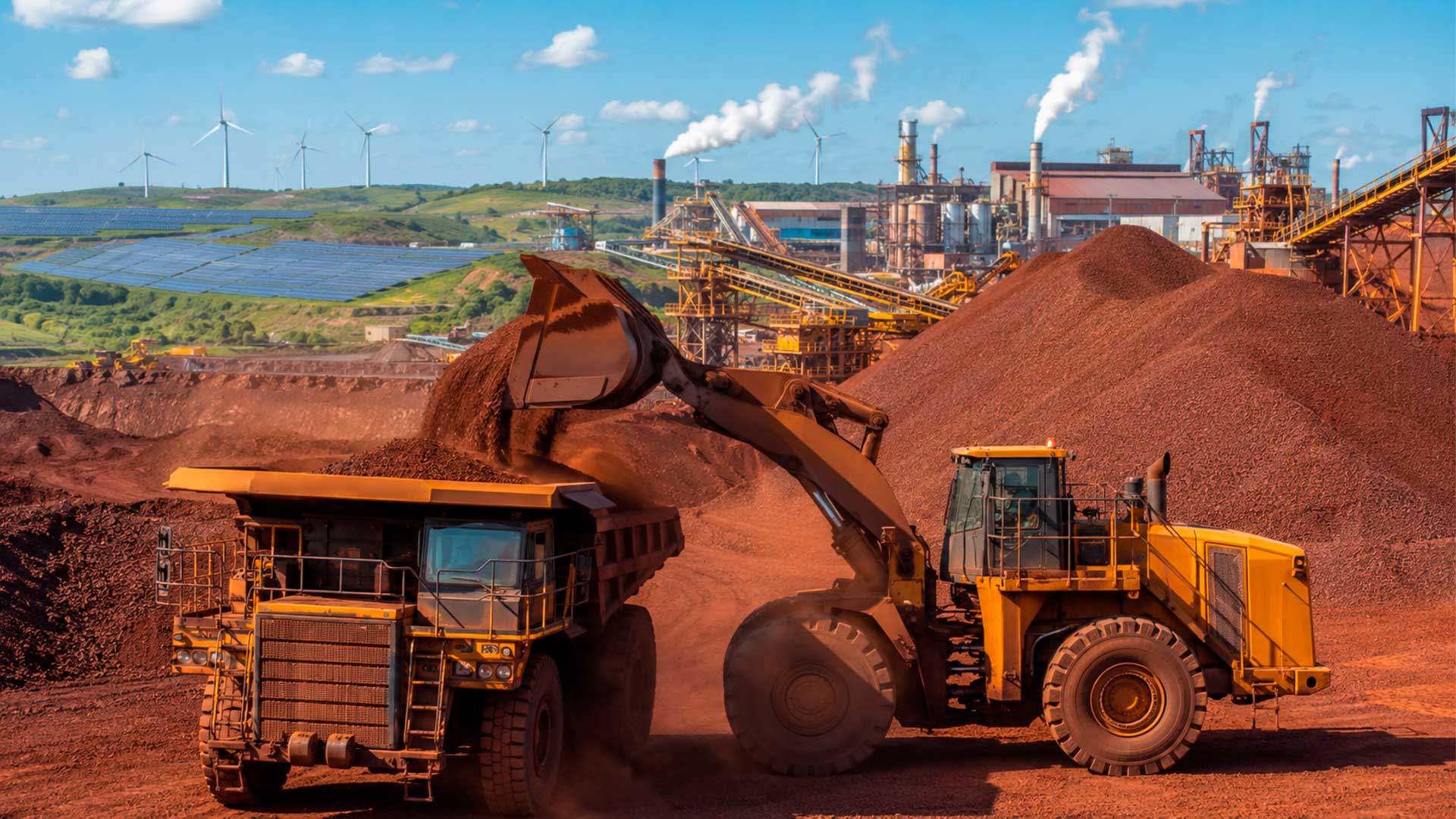
It is precisely this transformation stage that strengthens Brazil’s role as a strategic supplier for sectors ranging from electric mobility to renewable generation. Instead of merely exporting raw materials, the country seeks to create a robust industrial base capable of competing in global low-carbon technology chains.
Rules Allow Direction of Resources for Mining and Mine Development
The new rules establish that up to 49% of all capital raised by these debentures may be used in the mining and mine development phases, as long as these stages are directly connected to mineral transformation projects. The remainder of the funds must focus on industrial plants, advanced processing, chemical refining processes, and higher value-added technological stages.
The government estimates that the policy will mobilize about 5.2 billion reais per year, with 3.7 billion reais allocated to transformation industrial activities and 1.5 billion reais for mining and initial processing. In addition to increasing investor security, the model provides predictability for the productive sector and opens space for new ventures to take off in regions with significant mineral potential.
Public Consultation and Legal Framework Consolidate the Incentive Model
The construction of the policy went through public consultation held under Ordinance No. 825 of 2025, allowing representatives from industry, investors, consultants, and experts to contribute to technical adjustments. The final text relies on Decree No. 11,964 of 2024, which regulates the issuance of incentivized debentures and specific infrastructure debentures for the mineral sector.
With the legal framework in place, the government believes Brazil can accelerate its entry into the group of countries that dominate the technological and industrial stages of the energy transition. The initiative also reinforces the strategy to diversify the economic matrix with sustainable projects, expanding national productive capacity in sectors considered critical in the coming years.