






 Portuguese
  Spanish
  3 min of reading
  0 comments


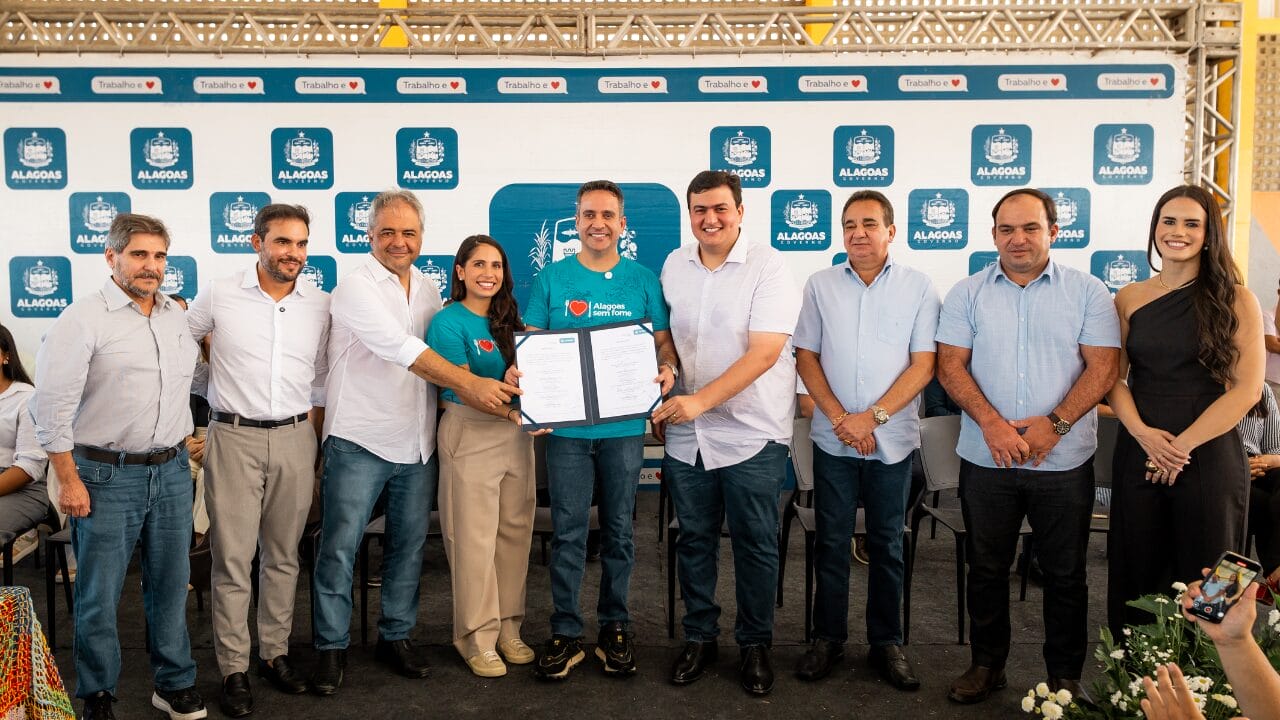
New Food Factory Construction Project Brings Hope and Dignity to Vulnerable Populations in the State.
The Government of Alagoas took a decisive step in the fight against hunger and food insecurity in the state. With an investment of over R$ 7 million, Governor Paulo Dantas signed, last Tuesday (15), the service order that authorizes the construction of the long-awaited Food Factory.
The project is part of the Alagoas Without Hunger program and will be built in the municipality of Rio Largo, aiming to benefit thousands of families in vulnerable situations.
Food Factory Construction Is More Than Infrastructure
According to Davi Maia, president of the Institute for Rural Development and Supply of Alagoas (Ideral), the start of the construction goes far beyond the physical construction of a factory. He emphasized that the action symbolizes the introduction of hope, dignity, and social justice for the people of Alagoas.
-
How much does it cost to build a sidewalk with interlocking pavement in 2026? See the average construction prices and the most common extra expenses that can increase the final budget.

-
Blocks made of salt challenge traditional construction, emerging from salt flats and salt pans like translucent stone, shining in hotels and pavilions in the desert, and transforming a material that melts in humidity into an extreme symbol of an impossible mineral architecture.

-
Young architect decides to renovate his grandfather’s 1960s kitchen, avoids erasing a lifetime of memories, and transforms the space while preserving 85 years of family history.

-
How much does it cost to build a well in 2026? See the average drilling values, regularization costs, and the most common extra expenses that may arise throughout the project.


“Today is an important day for Alagoas. We are kicking off a project that goes beyond infrastructure: we are launching hope, dignity, and social justice,” Maia stated.
The Food Factory will be designed to have a production capacity of 2,000 fruit puree packs per hour and 140kg of soup per day. In addition, kits of fresh food weighing between 5kg and 8kg will be prepared.
The supply of the unit will be carried out with food repurposed from CEASA, a place that already handles over 18,000 tons of food per month. This way, the Food Factory will help combat waste and improve food distribution for people experiencing food insecurity.
The Food Factory and Its Social and Economic Benefits
The project also includes the construction of six warehouses, the modernization of CEASA, and the installation of a Food Bank, with the mission of collecting, storing, and redistributing fresh produce in consumable condition that would otherwise be discarded.
The new Food Factory promises to further boost the local economy and create hundreds of direct and indirect jobs. The collaboration of CEASA permit holders will be fundamental in transforming the food reality in the state, generating a great wave of solidarity and community action.
Regional Impact
According to Paula Dantas, the program coordinator for Alagoas Without Hunger, the construction of the Food Factory in Rio Largo will bring significant benefits to the region and the state.
“With the Food Factory, we will develop this region with economic, social, and sustainable advancements. Besides the warehouses, we will have asphalt at both entrances to CEASA. It is a facility with multiple benefits,” Paula stated.
The Food Factory will be responsible for producing between 6,000 and 7,000 daily meals, increasing the food supply and contributing to the reduction of food insecurity throughout the state.





-

1 person reacted to this.