Portuguese
  Spanish


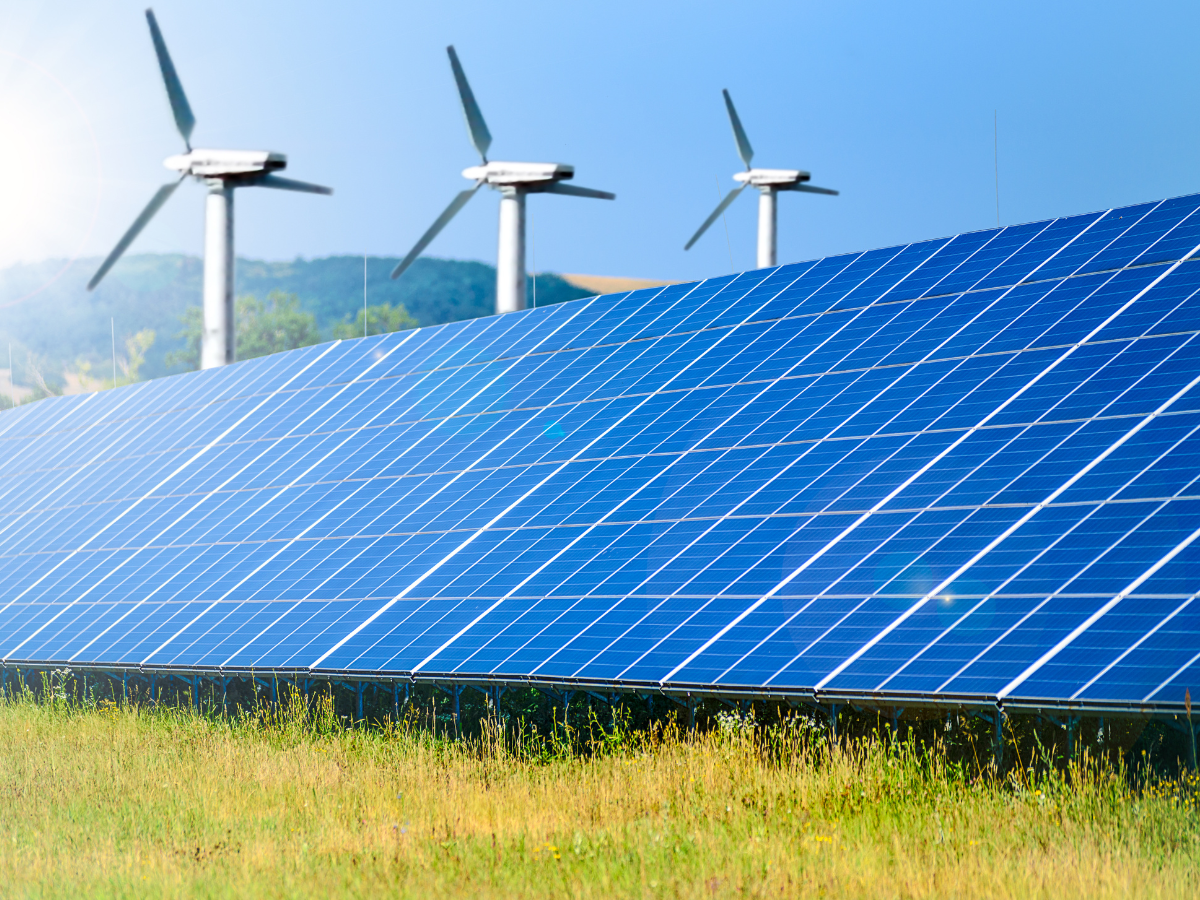


Projected Investments Until 2030 Total Over R$ 400 Million and Boost Wind and Solar Energy in Bahia, Minas Gerais, and São Paulo.
Brazil continues to strengthen its clean energy matrix with a new incentive package for wind and solar energy projects. The measure, announced by the Ministry of Mines and Energy (MME) last Friday (13), includes plants that are set to come into operation between 2026 and 2030.
The support will be granted through Reidi (Special Regime of Incentives for Infrastructure Development) and includes the suspension of taxes such as PIS/Pasep and Cofins on goods and services used in the projects.
Bahia Leads New Wind Projects with Support from Chesf
The São Francisco Hydro Electric Company (Chesf) was one of the biggest beneficiaries in this round. The company received the incentive to install seven wind farms in the municipality of Casa Nova, Bahia, totaling 127.5 megawatts (MW) of capacity.
-
Robots Clean Solar Panels in Desert Power Plants Without Water, Preventing Energy Losses

-
Brazil’s Offshore Wind Energy Potential Worth $1 Trillion Stalled by Long-Delayed Agreement

-
World’s Largest Engie Solar Plant in Brazil Highlights Billion-Dollar Energy Waste Issue: Company Considers Batteries and Bitcoin Mining to Avoid Wasting Production

-
Air Products Cancels $2.9 Billion Clean Hydrogen Megaproject in Louisiana, Shuts Down Arizona Unit, Highlighting High Costs of U.S. Energy Transition


Construction is expected to begin soon and will be completed in phases. The first phase, Casa Nova B, is scheduled for delivery by August 2027.
The others — Casa Nova D to Casa Nova G — have a final deadline of August 2030. With the tax exemption guaranteed by Reidi, the estimated investments in the plants total over R$ 465 million.
Minas Gerais Bets on New Medium-Sized Solar Plant
Another highlight is the UFV Xangrilá 1 project by Antares Energia Solar, which will be built in Várzea da Palma (MG). The plant will have an installed capacity of 30 MW, with completion expected by March 2029.
Thanks to the tax incentive, the investment is expected to be around R$ 28.6 million, with the exemption of taxes that normally inflate the cost of such projects.
São Paulo Also Joins the Energy Transition Map
In the interior of São Paulo, the municipality of Guararapes will also receive a solar plant: UFV Guararapes, with a capacity of 2.5 MW.
The project, developed by Certare and Concremat, was authorized to proceed with construction and is expected to be completed by March 2026. The estimated investment, with the tax incentives from Reidi, is R$ 6 million.
Why Is This Type of Incentive in Wind and Solar Important?
The government measure helps make it more feasible to build new wind and solar plants, which have high initial costs but provide clean and renewable energy in the long term.
With the incentive, entrepreneurs can reduce expenses and accelerate construction, which directly contributes to the country’s energy transition.
These projects not only reinforce Brazil’s commitment to sustainability but also create jobs, stimulate regional economies, and reduce the emission of polluting gases.