Portuguese
  Spanish


Government Discusses Proposal for Zero Fare Public Transport on Sundays and Holidays. Idea is Inspired by the Model in São Paulo and Faces a Stalemate Over Financing, with Projects Under Review in Congress and Direct Impact on Federal Accounts.
The economic team of the government Lula is assessing the adoption of zero fare public transport on Sundays and holidays nationwide.
According to the newspaper Gazeta do Povo, the measure was proposed by allies in Congress and is inspired by the model adopted in São Paulo since December 2023.
By the most cited calculations in the market, the annual cost to the Union could reach R$ 4.3 billion in 2026 if the subsidy fully covers these days, with São Paulo excluded from the calculation as it already funds local free transport.
-
Chinese E-commerce Giant Predicts Robots Will Replace 700,000 Delivery Workers as Autonomous Vehicles Expand to 200 Cities, Offering Training for Workers to Maintain Their Machines

-
Trump warns Europe with 100% tariff threat on digital tax, potentially impacting wine and trade agreements

-
As Homeownership Becomes Unattainable in Brazil, Japanese Municipalities Offer Abandoned Houses for as Low as $3,000 to Revitalize Aging, Emptying Cities
-
Job Market in 2026 Welcomes High School Graduates: Logistics, Retail, and Construction Hire Without College Degrees; Quick Courses in Forklifting, Building Electricity, and Welding Boost Salary Prospects


The topic is currently under review in legislative projects and encounters, for now, budgetary restrictions and the rules of the new fiscal framework.
Legislative Projects in Congress
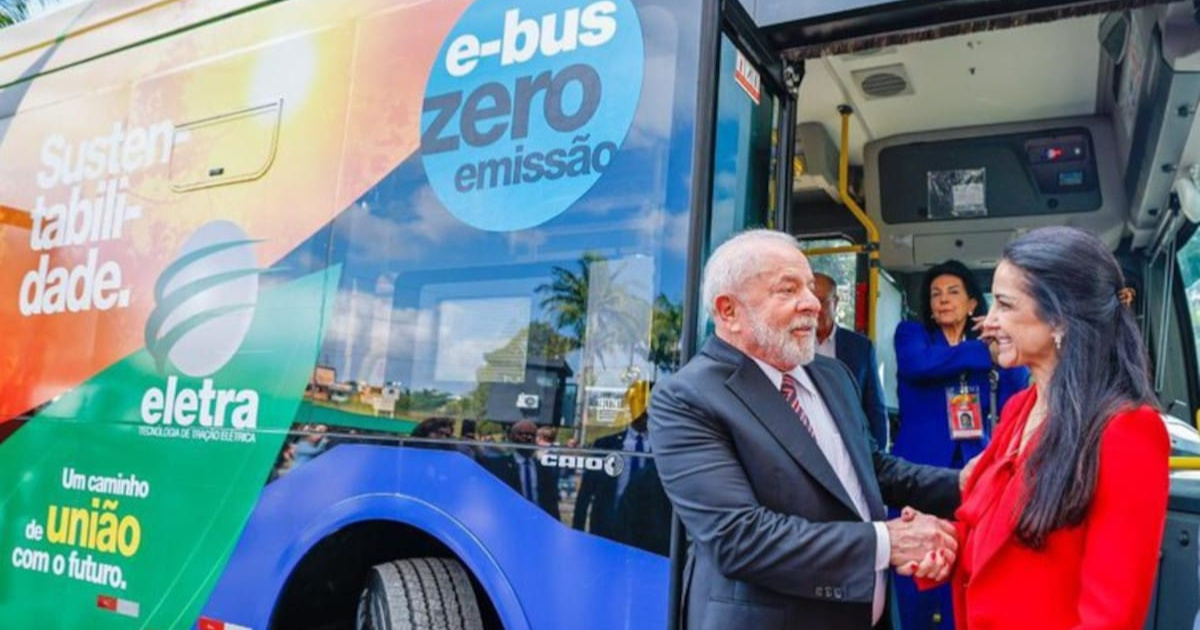
Two legislative fronts shape the plan. The first is PL 4327/2025, from Reginaldo Lopes (PT-MG), which modifies the laws of Cide-Combustíveis to permit and prioritize the use of its resources for reducing public transport fares and, where appropriate, for zero fare.
The text reserves minimum percentages for urban areas and establishes proportionate transfers to the population, through the qualification of federated entities.
The proposal has been filed in the Chamber and started processing at the end of August. The second one is PL 1280/2023, from Jilmar Tatto (PT-SP).
This project establishes a Zero Fare Program for voluntary adherence by municipalities, designed to connect local financing and federal sources.
The central content has been in the Chamber since 2023 and has been attached to other proposals in the area of mobility, maintaining the discussion on co-financing mechanisms between the Union, states, and municipalities.
Estimated Cost of Zero Fare
The fiscal effort is the main point of contention.
Estimates released by economists linked to the financial market project R$ 4.3 billion per year to subsidize 100% of Sundays and holidays in urban transport across the country, excluding São Paulo.
Another alternative calculation, cited by industry experts, places the expenditure around R$ 3.5 billion per year, based on the participation of these days in the total operational cost of the system.
The two orders of magnitude indicate that, without a dedicated source, the expense pressures federal budget space.
The government is working to meet the primary balance target of zero in 2025, with a tolerance band forecast in the new fiscal framework.
The sanctioned LDO and technical analyses of the Legislative confirm this objective, and the economic area has already enforced budget cuts to maintain it.
In this context, any expansion of subsidies requires accommodation within the fiscal rule — or the definition of permanent revenues, such as those that would be opened by the reorientation of Cide intended in the PL from Reginaldo Lopes.
Case of São Paulo as a Reference
The reference for the Planalto is the “Zero Fare Sunday” in São Paulo, which was extended to holidays and used as one of the main campaign proposals, according to Gazeta do Povo.
The program started on December 17, 2023 and was announced with an estimated annual cost of R$ 283 million to the capital’s budget.
The municipal administration argues that the measure combats fleet idleness on these days and induces circulation in commercial areas.
According to the newspaper, the experience showed that free transport can be maintained without compromising bus supply when there is sufficient budget to support it.
Examples in Other Brazilian Cities
In Maricá (RJ), the policy has been fully implemented since 2014 and operates through the Public Transport Company (EPT).
The city hall claims that the model is sustained by local revenues, especially oil royalties, and reports approximately 39 million trips in 2024.
The budget priority and public service structure explain the program’s stability.
The case has become a showcase for advocates of national scale, but also highlights that replication depends on robust and recurring sources.
Outside of Rio, capitals are testing free transport initiatives.
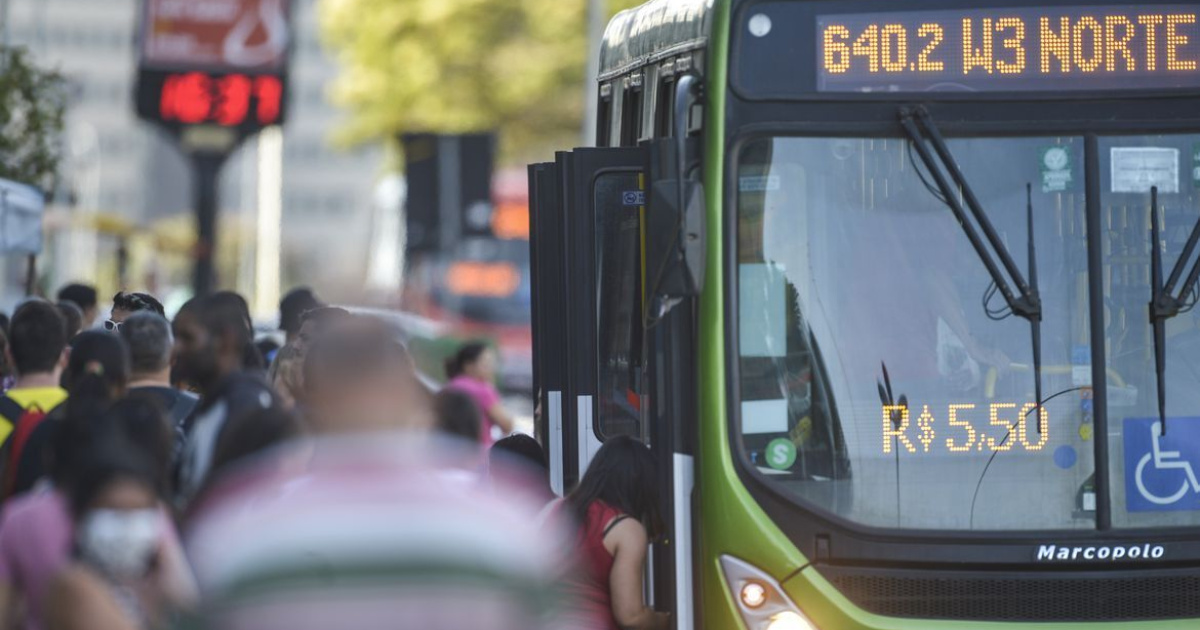
The Federal District instituted free bus and metro on Sundays and holidays starting on March 1, 2025, and Belém (PA) made fares free on these days starting in April of the same year.
According to Gazeta do Povo, these are limited-scope experiences with local funding, implemented to observe the impact on demand and operations before any potential expansion.
Transport as a Social Right
Allies of the government anchor the proposal in the character of social right of transport, included in Article 6 of the Constitution.
For Deputy Reginaldo Lopes, “transport [is guaranteed by the Federal Constitution] as a social right, which serves as a gateway to other rights, such as health, education, and leisure.”
The reading seeks to shift the debate from a “benefit” agenda to a policy of access to services, with priority given to urban peripheries, where spending on transportation significantly impacts income.
The Stalemate of Financing
Even with the constitutional framework, the question remains how to finance it.
The Cide-Combustíveis has undergone changes in its revenue base over the years and tends to lose dynamism with the energy transition.
PL 4327/2025 attempts to shield a portion of the tax for tariff subsidies, but this reallocates resources from other purposes.
Alternatives for co-financing — sharing the costs between the Union, states, and municipalities — need to account for the fiscal reality of 5,570 municipalities, many already dependent on transfers for essential services.
Social Impacts and Fiscal Challenges
In the short term, free transport directly benefits users who significantly spend their income on transportation and expands access to leisure, commerce, and services on weekends.
In metropolitan regions, the effects are more concentrated, according to Gazeta do Povo.
In contrast, experts warn that durable programs require cash predictability and operational control — otherwise, abrupt adjustments in contracts and supply may occur if revenue declines.
Congress is discussing alternatives for stable funding sources and governance mechanisms to enable the use of resources.