Portuguese
  Spanish


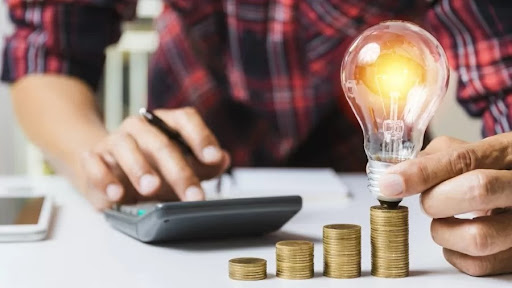

All Consumers of Groups A and B Can Participate in the Program. Those with a Distributed Energy Generation System, Such as Solar Panels, Will Not Receive the Benefit.
The government does not want to punish those who save energy and will give a discount to those who can reduce their electricity consumption by between 10% and 20% by December 31, receiving a credit on their January electricity bill next year. This measure is part of the Voluntary Electricity Consumption Reduction Incentive Program launched by the Federal Government.
Read Also
- Jobs: multinational Trident Energy supports the federal government in improving and revitalizing mature fields in the Campos Basin
- Multinational Sodexo opens job vacancies for fundamental, technical, and higher education levels to work in RJ, SP, Macaé, and more, on this September 2
- Brazilian biotechnology company launches the world’s most efficient line for oil absorption
- Brazil plays a key role in the global initiative to decarbonize the planet
The drought faced in Brazil has put consumers and the government on alert regarding the supply of electricity. Besides the fear of blackouts, Brazilians are feeling the impact of the red flag on their wallets.
With low reservoir levels, it is necessary to draw energy from other types of plants, such as thermal power plants, which are more expensive. Therefore, when thermal plants are activated, the cost of energy generation rises, and the tariff flag changes.
-
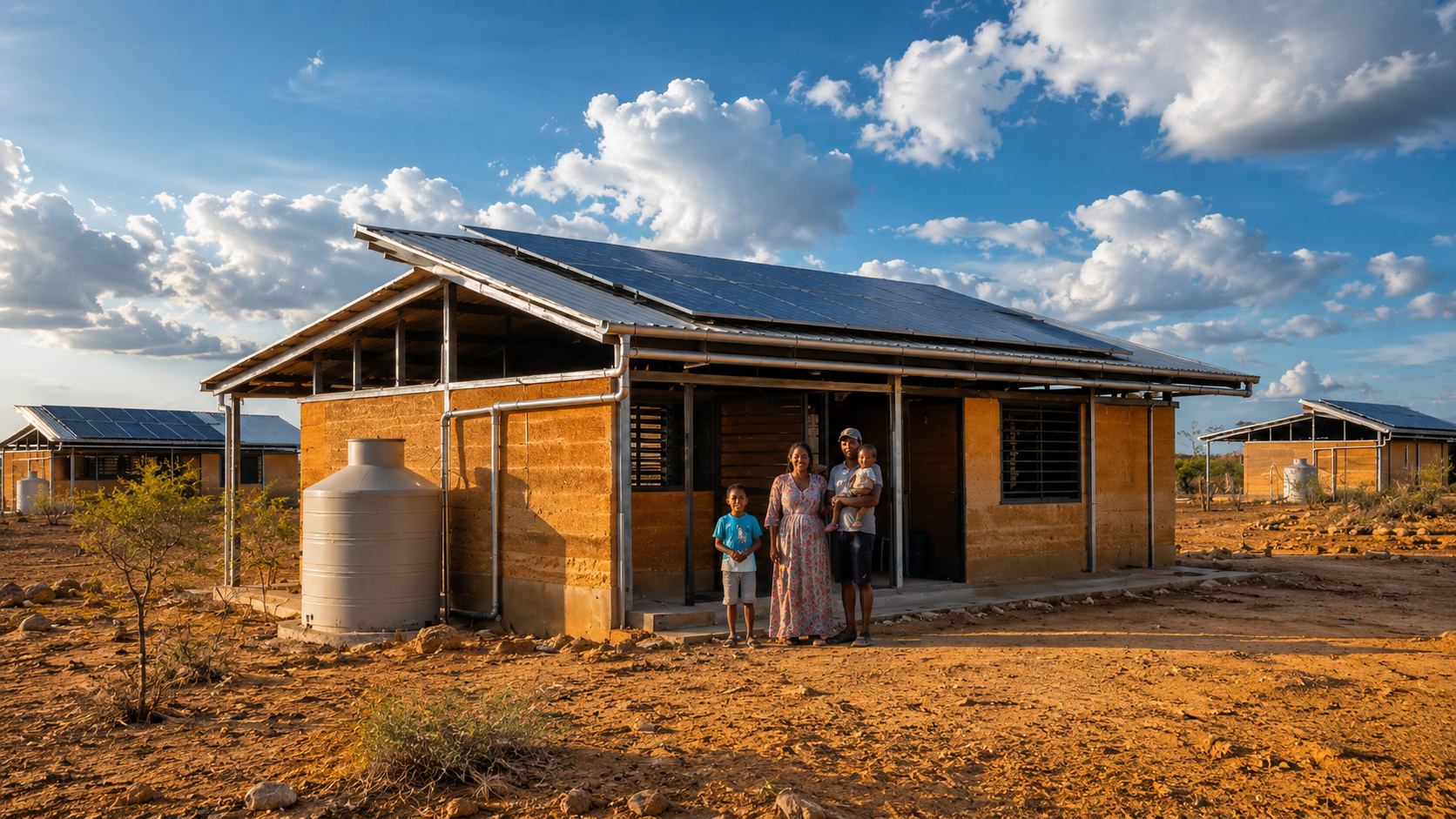
In Colombia’s desert, 30 families receive 80 m² homes with solar panels, waterless toilets, and rainwater collection systems amid water and energy shortages.

-
Engie Secures 10-Year Use of 625 MWh in Batteries to Store Excess Solar and Wind Energy in Spain by 2028
-
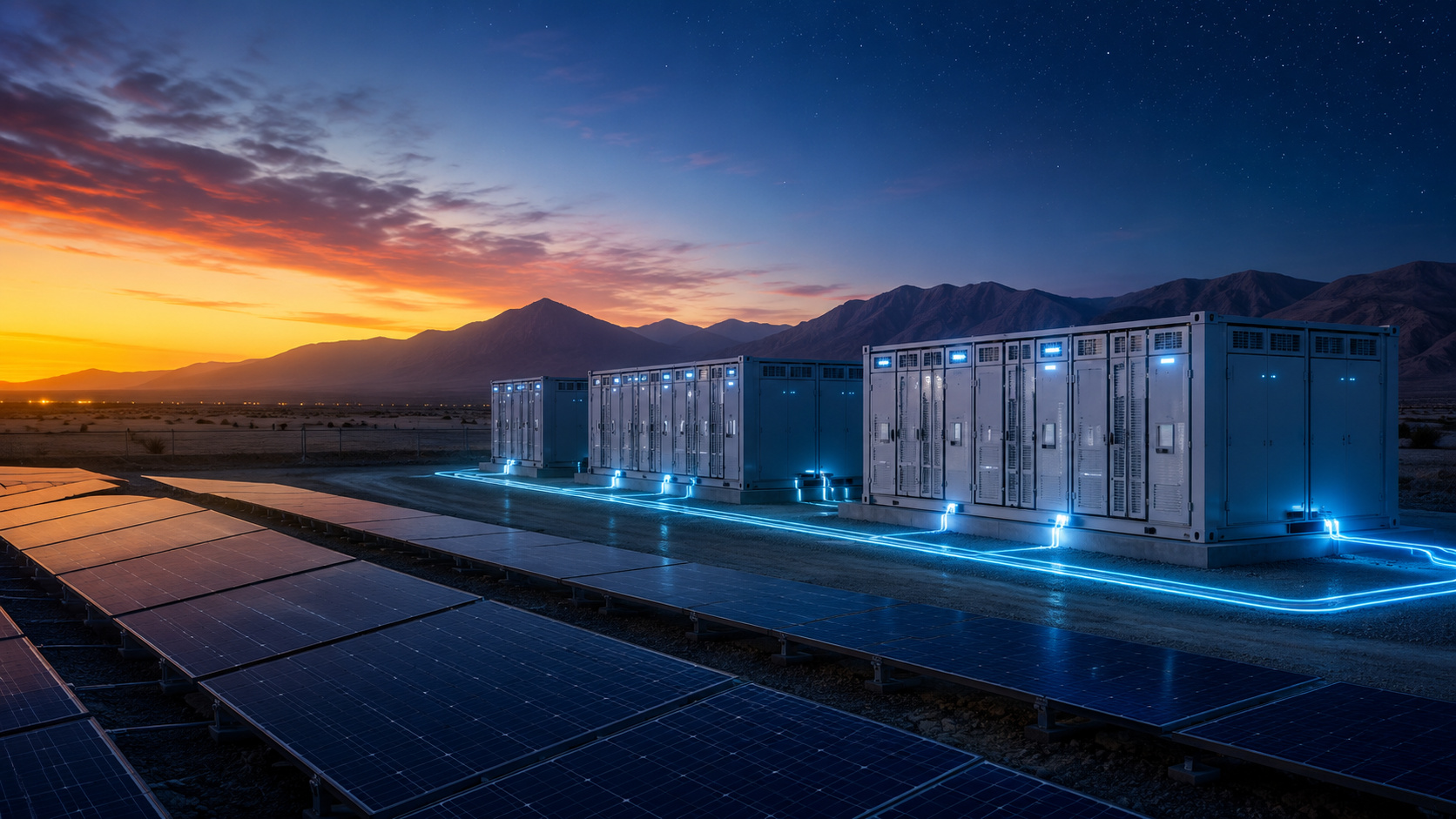
Giant Batteries Take Center Stage in Chile Auction as Company Offers 960 GWh of Solar Energy for Nighttime Use, Aiming to Stabilize Solar Power Supply
-
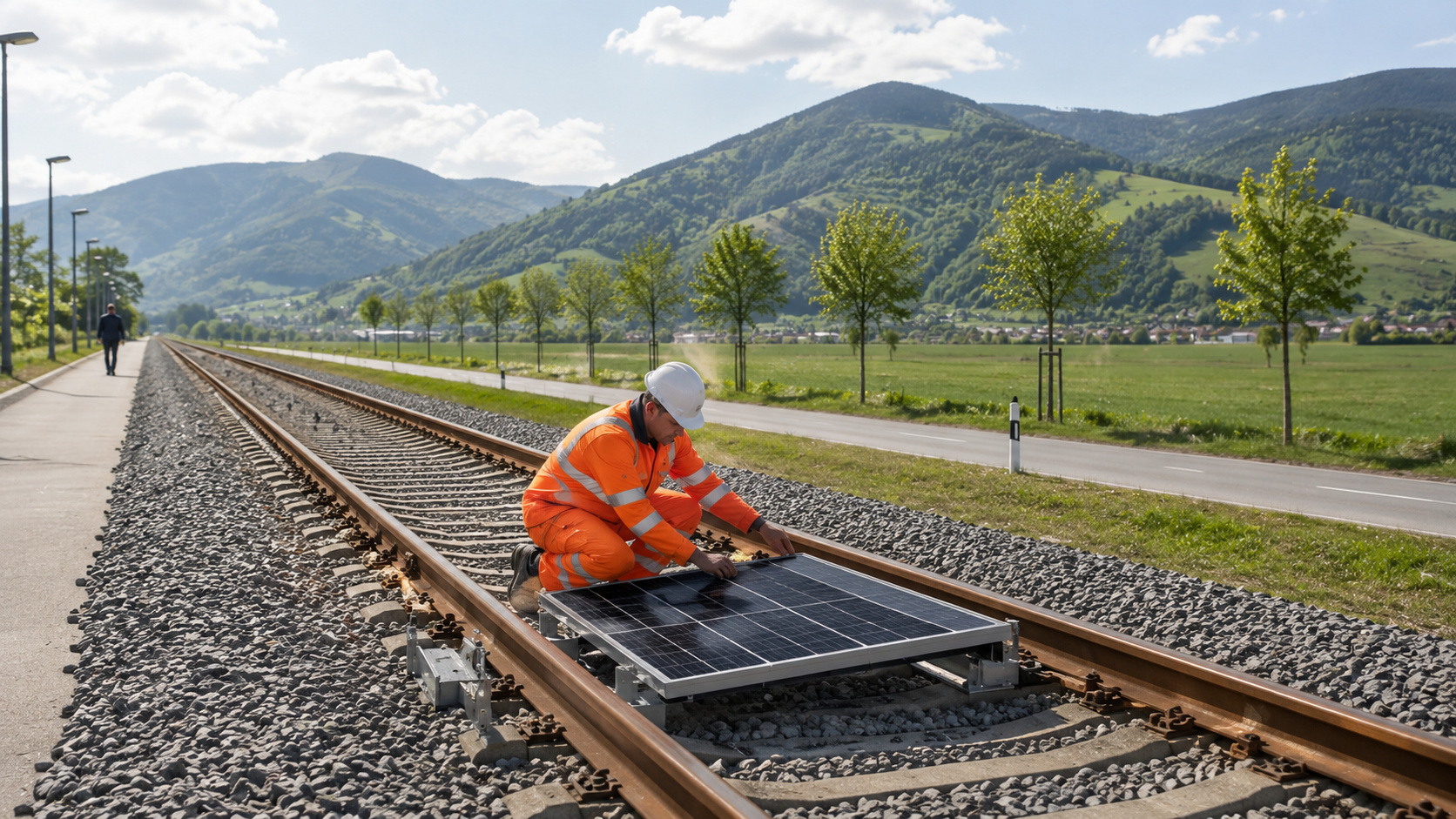
After a Year of Success in Switzerland, Solar Railway Attracts Italy’s Interest for Clean Energy Transformation

“Get to know the other CPG sites, click on the areas below and receive firsthand:
job vacancies and topics in the fields of Mining; Civil Construction and Infrastructure; Renewable Energy; Shipbuilding, Ports, and Shipyards“
Government’s Energy Program Will Operate from September to December
The program will operate from September to December, but it may be extended. The initiative will be funded by the consumers themselves through a fee charged on their electricity bill.
The discount will be R$ 0.50 for each kilowatt-hour (kWh) of energy saved within the 10% to 20% target. Those who save less than 10% will not receive a bonus, and those who save more than 20% will not receive an additional prize.
The comparison will be based on the total consumption over the four months – that is, the total from September to December 2021, compared to the same four bills from 2020.
Once this comparison is made, if there is a reduction in consumption of 10% or more, the government states that it will credit the discount on the subsequent bill in January 2022.
The government’s goal is to achieve an average saving of 15% in consumption through the program. This would represent, according to simulations made by the Ministry of Mines and Energy (MME), a reduction of 1.4% in the total energy demand of the National Interconnected System (SIN). This measure is yet another attempt by the government to reduce electricity demand during this water crisis and thus avoid energy rationing.
Who Can Participate?
All consumers in groups A and B, in the regulated market, whether residential, industrial, commercial, service, or in rural areas. However, consumers in group A (high voltage) from the public sector, public lighting, and self-consumption are excluded from the measure.
In other words, those with distributed generation systems, such as solar panels, will not receive the benefit.