






 Portuguese
  Spanish


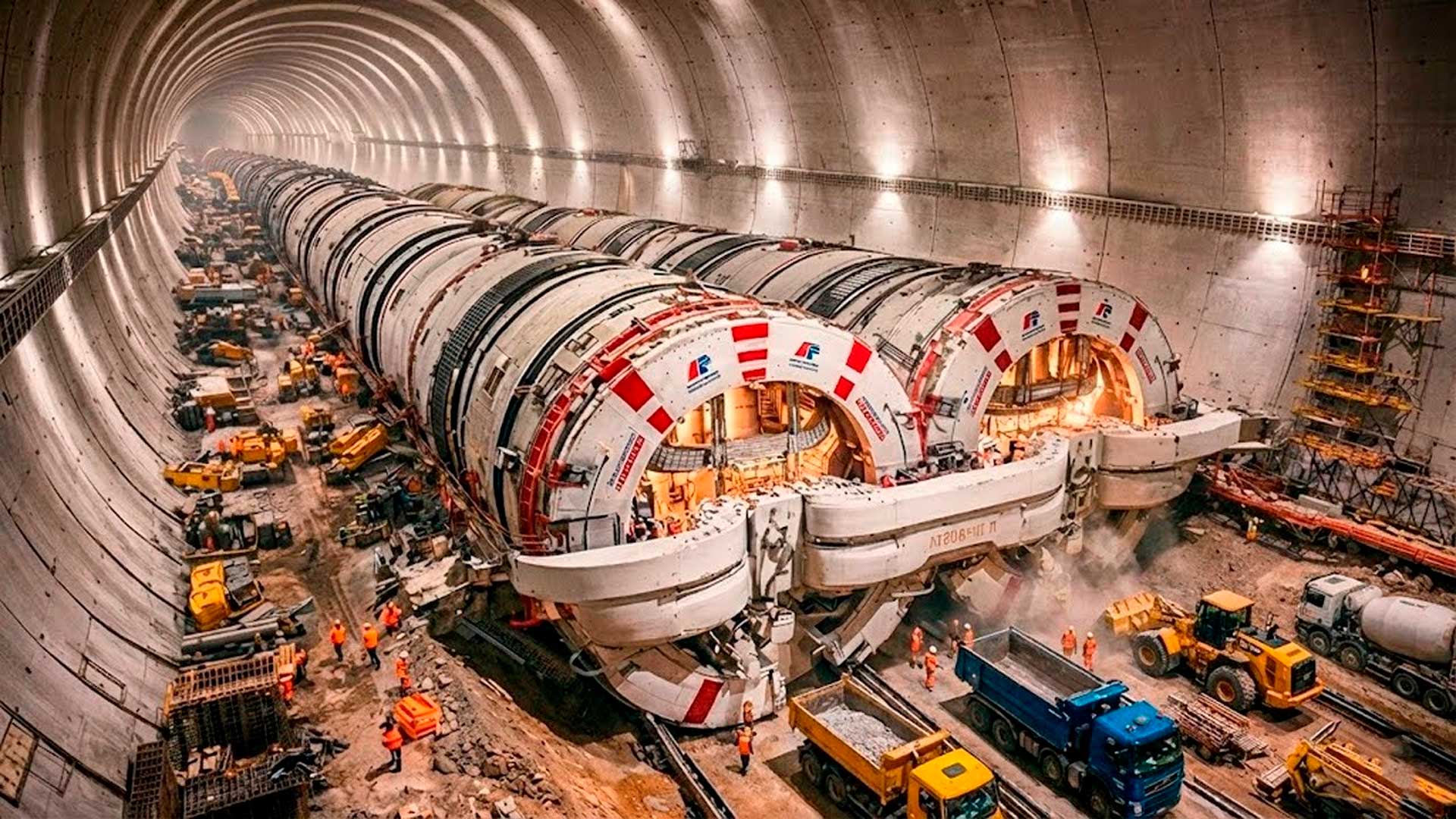


A Tunnel Of About 14 Km Below The Zoji La Pass Promises To Reduce Winter Blockades And Shorten The Crossing Between Kashmir And Ladakh. With Advances Announced By The Government And A Revised Schedule For 2028, The Project Has Become A Central Piece Of A Strategic Route In The Region
India Is In The Midst Of One Of The Most Challenging Works In The Himalayas, The Zojila Tunnel, Designed To Keep The Connection Between The Kashmir Valley And Ladakh Operational Even When Snow Closes The Zoji La Pass.
In Official Documents And Responses In Parliament, The Indian Government Describes The Undertaking As An Attempt To End The Logic Of Seasonal Isolation And Provide Predictability For The Movement Of People, Goods, And Services.
The Project Has Also Gained Significance Due To Its Involvement In A Logistically And Border-Sensitive Area, Where The Closure Of The Road Often Has An Immediate Impact On Supply And Regional Mobility.
-
21-Year-Old Moves Back to Parents’ Home in Arizona, Finds New Private Apartment in Converted Garage as Families Tackle U.S. Housing Pressures

-
Innovative Container Studio in Brazilian Beach Town Thrives with High Demand and Plans for Expansion
-
30-Square-Meter Container Home with 2 Bedrooms, Living Room, Kitchen, and Bathroom Sold for $12,000 in Brazil, Tour Reveals Project Details

-
Brazilian Couple Builds Eco-Friendly Brick House, Saves 41%, and Shares Simple Test to Check Soil Suitability


In Practice, The Promise Is To Transform A Stretch Associated With Risk, Slowness, And Interruptions Into A Corridor With More Stable Operation Throughout The Year.
What Is The Zojila Tunnel And Why Has It Become A Priority In Road Infrastructure

The Zojila Tunnel Integrates The Axis Of The Highway NH 1, Seen As A Vital Land Connection Between Srinagar And The Areas Of Ladakh, With A Direct Impact On The Connectivity Of Northern India.
The Technical Description Provided By The Responsible Agencies Indicates A Bidirectional Road Tunnel With Approximately 14.15 Km, Built Under The Zoji La Pass And Connected To Access Sections On The Sonamarg Kargil Route.
In Public Communications, The Project Is Presented As A Response To A Terrain Considered Hostile And Dangerous, With A History Of Accidents And Interruptions, And Is Also Presented As A Way To Ensure Year-Round Connectivity Between The Kashmir Valley And Ladakh.
The Central Idea Is Simple, Although The Execution Is Extreme. If Snow Covers The Road For Months, The Tunnel Becomes The Permanent Alternative To Keep Traffic Flowing In One Of The Most Challenging Altitudes On The Continent.
Billion-Dollar Cost And Revised Deadline In The Middle Of Execution
In Information Provided To Parliament In 2024, The Government Indicated That The Project Includes A Main Tunnel And A Set Of Access Roads, With A Total Extension Exceeding 30 Km When Adding The Complementary Parts.
In The Same Set Of Data, The Total Cost Was Presented At ₹6,809.69 Crore, An Amount That Positions The Project Among The Most Relevant High-Mountain Infrastructure Investments In The Country.
In An Official Response Recorded In The Lok Sabha In July 2025, The Government Confirmed The Revision Of The Schedule For February 2028, Mentioning Physical Progress And Accumulated Spending Up To That Point.
The Justification For The Change In Deadline Mixes Predictable And Unpredictable Factors. Authorities Cited Delays Related To The Pandemic, Security Events Affecting Work In The Region, And, Above All, The Weight Of Working Under Severe Weather And Short Operation Windows.
How To Tunnel Through An Unstable Mountain In Extreme Cold And Risk Of Avalanche
The Government Claims That The Tunnel Was Planned As A Smart Tunnel, With Monitoring And Control Systems For Ventilation, Power, And Safety, Along With Camera Networks And Operation Automation.
The Constructive Approach Mentioned In Official Communications Includes Adaptive Methods Used In Mountain Tunnels, Precisely Due To The Complex Geology Of The Himalayas And Abrupt Changes In Rock Resistance.
In Addition To The Main Tunnel, The Responsible Agencies Also Describe A Package Of Auxiliary Works, Including Smaller Tunnels, Covered Sections, And Vertical Ventilation Shafts Designed To Support Operation And Reduce Risks In The Event Of Incidents.
The Environment Is Part Of The Problem And Part Of The Cost. The Region Is Described As Prone To Avalanches And Landslides, With Frequent Interruptions And The Need For Engineering Focused On Drainage, Waterproofing, And Rock Mass Stability.
When It Comes To Travel Time, Public Communications Vary According To The Cut Used. Generally Speaking, The Promise Is To Drastically Reduce The Crossing Of The Pass, Exchanging Hours Of Risky Road Travel For Dozens Of Minutes On A Protected Route.
What Changes For Tourism, Local Economy, And Supply Logistics
The Expectation Presented In Official Notes Is That More Predictable Connectivity Will Reduce Breaks In The Supply Of Fuel, Food, And Essential Items, Especially During The Months When Snow Typically Isolates Entire Sections.
There Is Also A Direct Effect On Tourism. With A Larger Window Of Circulation, The Season Tends To Be Less At The Mercy Of The Weather, Which Could Redistribute The Flow Of Visitors And Income In The Hubs Along The Way Between Sonamarg, Kargil, And Ladakh.
Another Consequence Cited By Authorities Involves Route Efficiency And Average Speed. In Government Communications, The Project Is Associated With A Reduction In Distance In Specific Segments And An Increase In Average Speed In The Corridor, Which Affects Transportation Time And Costs.
In The Background, There Is A Strategic Component. The Region Has Logistical And Border Importance, And A Corridor Operating For More Months Of The Year Could Alter The Capacity For Response And Movement, As Well As Reduce Bottlenecks During Critical Periods.
Physical Progress And Next Milestones That The Government Projects
In Formal Responses, The Government Reported A Physical Progress Of 64 Percent At A Certain Point In 2025, Indicating That The Project Has Already Passed The Halfway Mark.
Sectorial Reports On Infrastructure In The Region Also Mentioned, At The End Of 2025, More Than 12 Km Of Excavation Completed And The Pursuit Of Connection Milestones Between Work Fronts In The Following Months, Which Is Usually A Symbolic Step In Such Projects.
Nonetheless, The Schedule Remains Sensitive To Weather, Logistics, And Unforeseen Events. In High-Mountain Tunnels, The Finishing Stage, Safety Systems, Ventilation, And Operation Can Be As Demanding As Excavation.
If The 2028 Deadline Is Met, The Corridor Should Establish Itself As One Of The Main Examples Of Transport Engineering In An Extreme Environment In The Himalayas, With An Impact That Goes Far Beyond Tourism.
In The End, The Debate That Divides Opinions Is Inevitable. Do You Think That A Billion-Dollar Investment In A Tunnel Of This Size Is Justified Primarily By The Daily Lives Of Those Who Depend On The Route, Or Does The Strategic And Geopolitical Component Of The Project Weigh More? Leave Your Comment And Indicate Which Side You Stand On In This Controversy.






Ponto 1: Existe uma divergência entre a Índia e a China pelo território da casimira, ou seja, há um interesse de soberania nacional;
Ponto 2: O trânsito na Índia não é motivo de exemplo em lugar nenhum, convém falar em mobilidade.