Portuguese
  Spanish


Brazilian Graphite Classified As Critical Mineral By The European Union In 2025 And Could Yield Billion-Dollar Contracts In The Energy Transition.
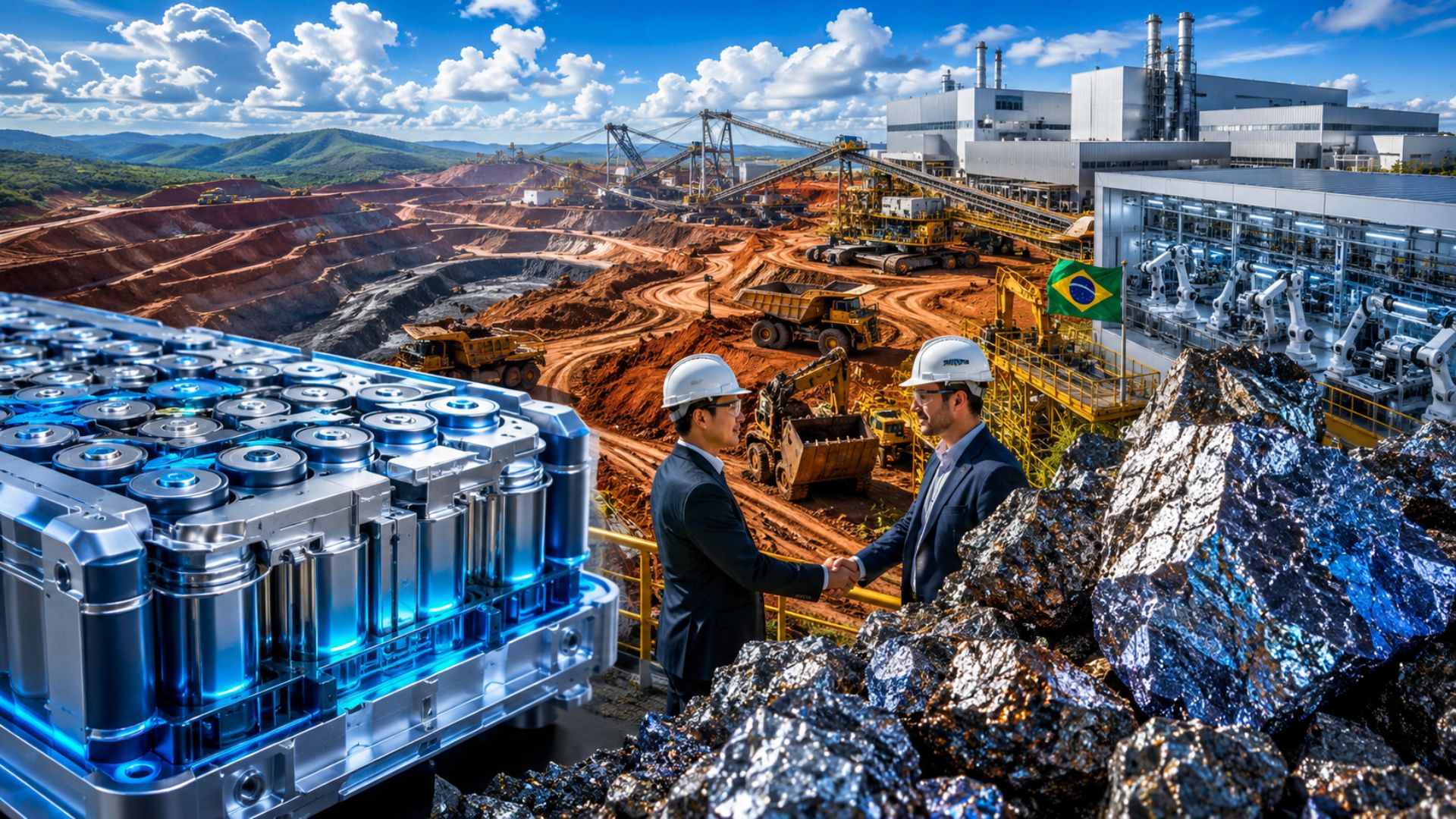
For decades, brazilian graphite has been treated as a niche industrial input, useful in the production of refractories, lubricants, and some metal alloys. In 2025, this reality changed. With the ongoing energy transition and the explosion of the electric vehicle market, the mineral made it onto the list of critical raw materials of the European Union, as part of the Mineral Security Plan.
This decision transformed graphite into a strategic asset. From being a “supporting player” in the mineral sector, it became central in the global race for energy autonomy, especially since the European Union wants to reduce its dependence on China — which controls nearly 90% of the world’s refined graphite market.
Why Graphite Is As Strategic As Lithium
If lithium gained fame as the “white oil” of batteries, graphite is the silent partner without which the energy transition cannot proceed. It makes up the anodes of lithium-ion batteries, representing about 25% of the total weight of each unit. In a medium-sized electric vehicle, this means up to 50 kg of purified graphite per vehicle.
-
China could reduce iron ore imports from 80% to 50% of consumption by 2030, while its share in global steel production falls from 52% to 46%, in a shift that could reshape the global market, says CMRG.

-
Brazil is sitting on one of the largest lithium reserves in the world, in the Jequitinhonha Valley, but national mining has almost become an appendage of China: 97% of the metal’s export goes to a single country, which also dominates refining.
-
Iron ore falls to 762 yuan in China as real estate sales decline and steel production hits lowest level since 2018
-
Brazil has minerals, clean energy, and a waiting market, but it could miss a billion-dollar opportunity if it doesn’t speed up the race for green minerals, while the steel industry seeks to reduce emissions.


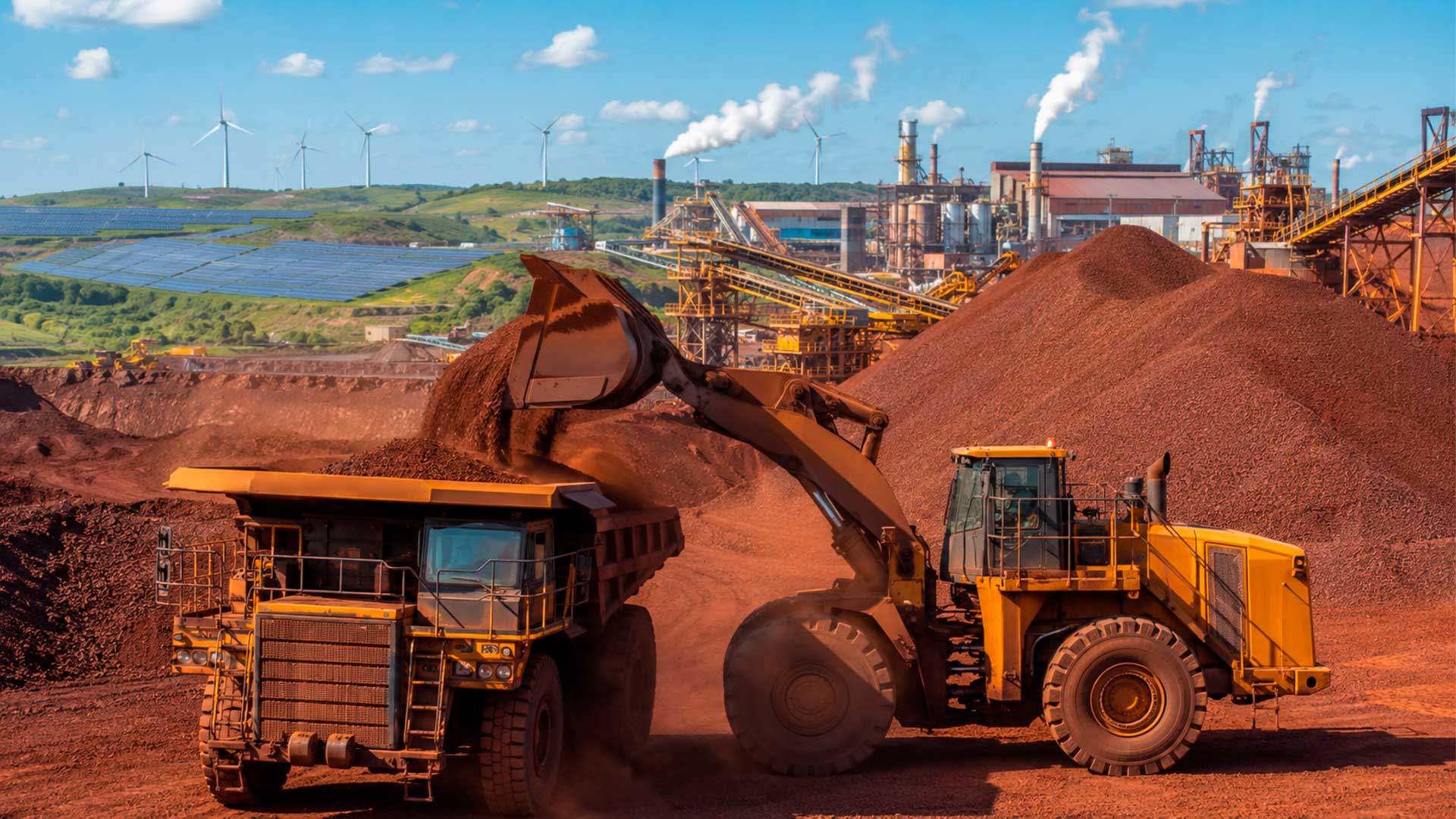
With the expectation of 100 million electric cars on the roads worldwide by 2030, according to the International Energy Agency (IEA), the demand for graphite could triple. This movement has put Europe on alert: it’s pointless to have battery factories if the raw material comes almost entirely from one country — and that country is China, a strategic rival of the West.
The Weight Of Brazil In This Global Board
Brazil emerges as one of the largest holders of natural graphite reserves on the planet, with significant deposits in Minas Gerais and Bahia. According to the Geological Survey of Brazil (SGB), measured reserves exceed 70 million tons.
Currently, Brazilian production is still modest compared to its potential, at about 90,000 tons annually, but sufficient to place the country among the top five producers in the world.
What changes in 2025 is the direct demand from the European Union for reliable, stable suppliers with lower geopolitical risk.
European Union Targets Billion-Dollar Contracts
The European Union launched the Critical Raw Materials Act (CRMA) in 2023, legislation that establishes self-sufficiency targets for strategic minerals.
Starting in 2030, at least 10% of European consumption of these minerals must be produced within the bloc, and no more than 65% can come from a single country. This means reducing dependence on China.
Brazilian graphite, due to logistical proximity and commercial stability, stands out as an immediate alternative. Brussels has already indicated interest in long-term supply contracts capable of moving billions of dollars by the end of the decade.
China Watches Closely
The dispute, however, is not simple. China is already the main buyer of Brazilian graphite and controls the most lucrative stage of the supply chain: chemical refining and the production of spherical graphite, ready for batteries. In 2024, Beijing restricted exports to pressure prices, exposing its vulnerability to the West.
If the European Union progresses with contracts with Brazil, it is likely that China will react by increasing direct investments in national mines to ensure privileged access. This could turn graphite into another geopolitical battleground between East and West on Brazilian soil.
Billion-Dollar Opportunity For Brazil
Experts project that global demand for graphite for batteries could exceed 5 million tons by 2030. If Brazil can expand its production and add value in processing, the sector could generate tens of billions of dollars in the next decade.
More than just selling raw ore, the challenge is to install beneficiation plants within national territory, capturing the most valuable part of the supply chain. Each ton of purified graphite can cost up to 5 times more than the raw ore exported.
Internal Bottlenecks That Could Hinder Progress
Despite the potential, Brazil faces well-known bottlenecks:
- Low beneficiation capacity: almost all exported graphite is shipped raw.
- Poor logistics: roads and railways limit production in regions such as northern Minas Gerais.
- Regulatory insecurity: frequent changes in mining regulations scare off foreign investors.
- Environmental issues: communities and NGOs are already warning about mining risks in areas near sensitive biomes.
If these issues are not resolved, the country runs the risk of missing the boat on the energy transition, being restricted to the export of cheap raw materials.
History Of Neglect: From Iron Ore To Graphite
The Brazilian history shows a pattern: the country exports gigantic volumes of iron ore, soy, and oil, but rarely advances in beneficiation and added value. Graphite may repeat this cycle, unless clear industrial policies encourage the establishment of a national battery supply chain.
Meanwhile, countries like China dominate refining technology, and Europe is racing against time to avoid becoming a hostage. Brazil is once again at the center of this equation.
Brazilian graphite is now officially a global strategic asset. For the European Union, it represents the chance to reduce dependence on China. For China, it is a resource that cannot be lost to rivals. For Brazil, it is the opportunity to turn abundant reserves into billion-dollar contracts and industrial development.
The question is whether the country will have the strategic vision to seize the moment or will continue as a mere exporter of commodities, watching others transform its graphite into batteries, technology, and wealth.