






 Portuguese
  Spanish


Discover the ecological roofing system that combines waterproofing, lightweight substrate, and resilient plants to improve the thermal and acoustic comfort of homes.
A sustainable solution has been gaining ground in residential architecture in 2026. The residential green roof visually replaces conventional tiles and corrugated metal sheets with a cover formed by vegetation and different technical layers.
According to the United States Environmental Protection Agency, the EPA, vegetated roofs help reduce surface temperatures. The system also offers shade and removes part of the heat present in the environment.
The structure can improve the thermal insulation of the residence without requiring a complete transformation of the building. However, installation depends on a professional analysis capable of verifying if the slab supports the additional weight.
-
Brazilian promises his children to save a river, creates an eco-barrier in his backyard, has already removed more than 40 tons of trash from the water, and even inspires the idea in other states of the country.

-
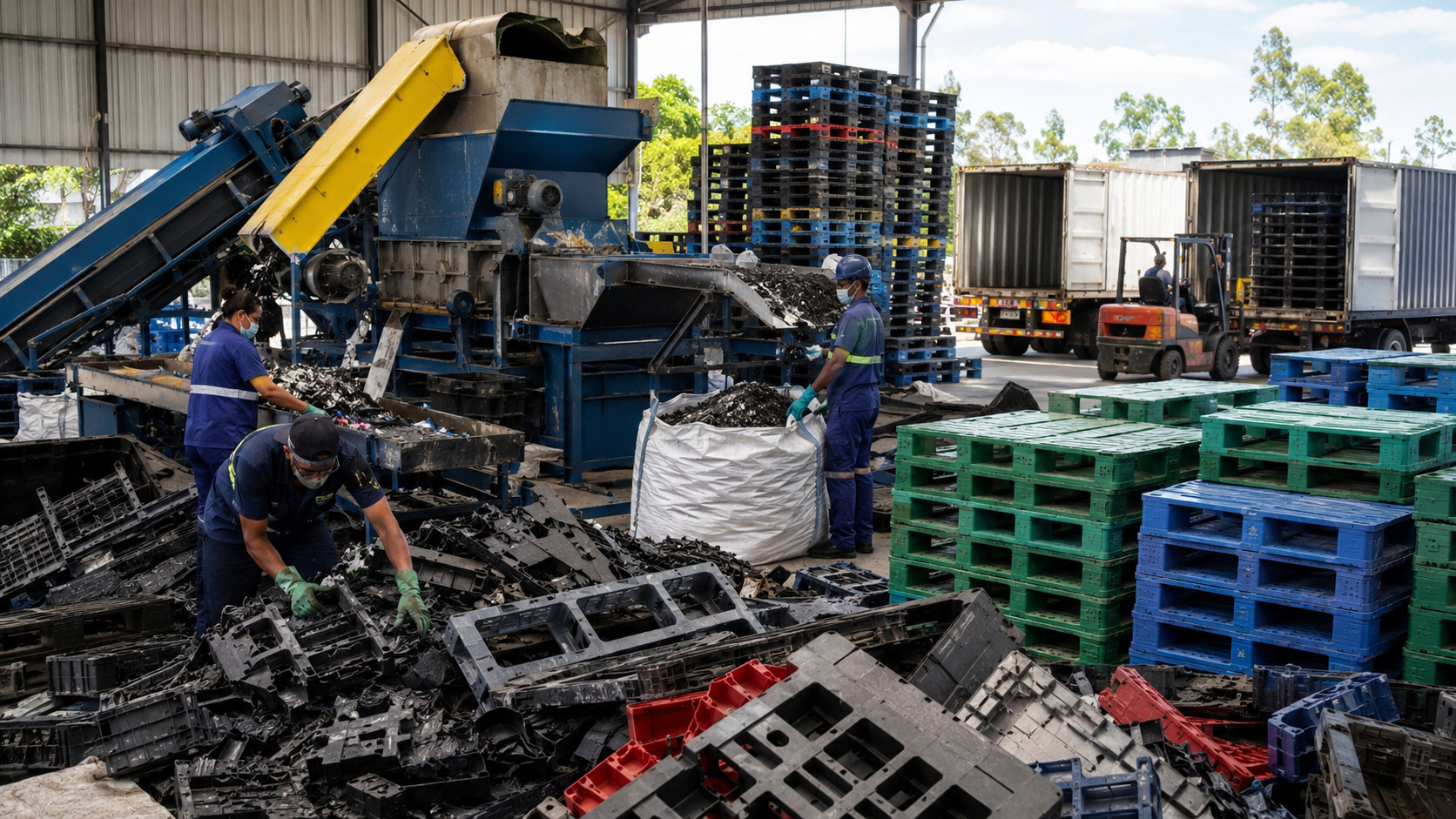
How a Brazilian company created a system that transforms broken pallets of any brand into new assets, recycles 80 tons of plastic per month, and found a profitable solution to a problem that challenges industries across the country.

-
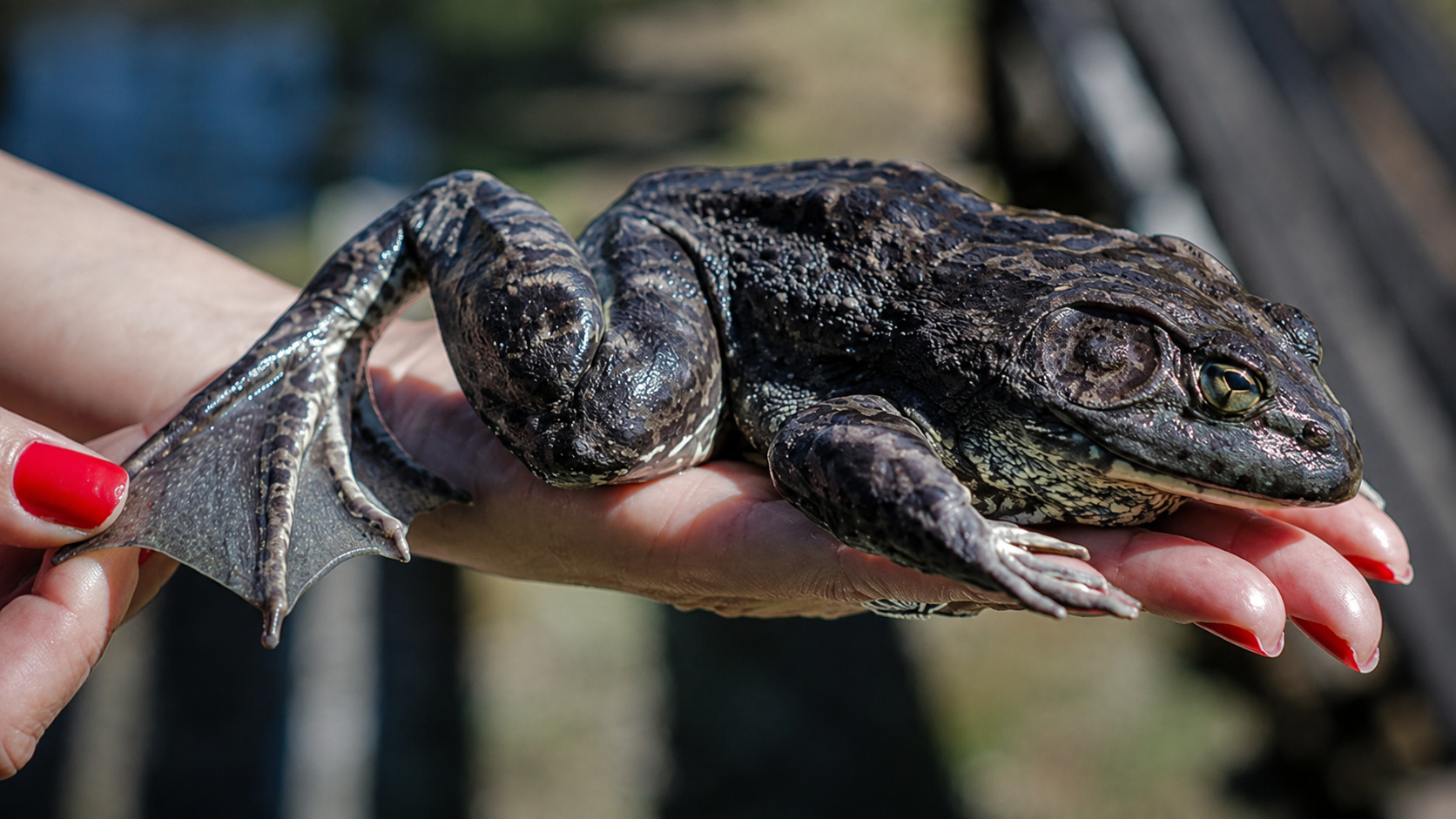
Invasive bullfrog capable of devouring other amphibians and laying up to 20,000 eggs is found in Florianópolis, raising an alert about the threat to native fauna.
-
It looks like a baby, but it’s an adult: meet the Bornean pygmy elephant, the smallest elephant in the world threatened by habitat loss.


Discover the residential green roof
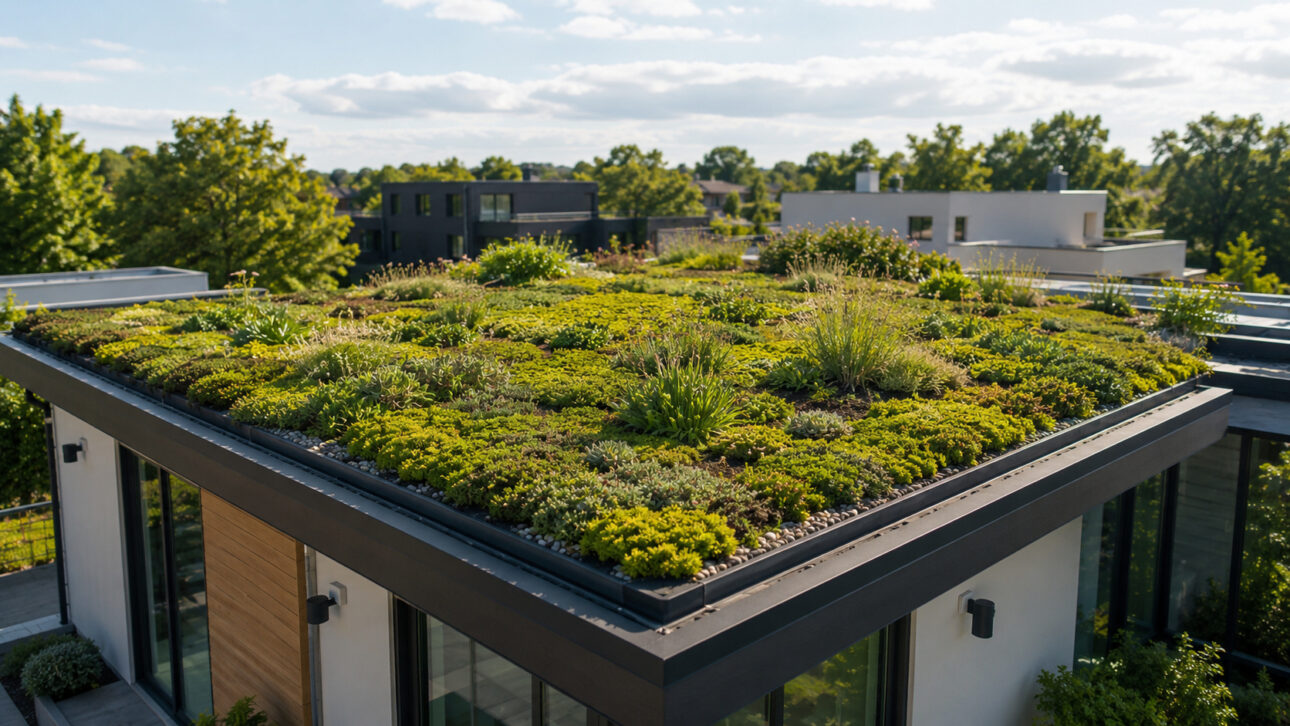
The residential green roof operates through overlapping layers installed above the property’s roof.
The first step involves high-performance waterproofing. Then, drainage elements, root barrier mats, lightweight substrate, and resilient plant species are added.
Each layer performs a specific function. The waterproofing protects the structure, while the drainage system directs excess water accumulated during heavy rains.
The engineering mats, in turn, prevent roots from reaching the masonry. The substrate provides support and nutrients for the plants without adding unnecessary weight to the roof.
The chosen vegetation should have low maintenance needs and the ability to withstand climate variations. This way, the system remains functional during periods of heat, cold, and frequent precipitation.
The cover also protects the slab against sudden temperature changes. Consequently, the effects caused by thermal expansion can be reduced over time.
The United States Department of Energy already presented green roofs in 2013 as alternatives aimed at energy efficiency and stormwater control.
The growing adoption in 2026, therefore, represents the evolution of a technology studied and used for several years.
How structural evaluation ensures project safety
The installation must begin with a detailed analysis conducted by specialized architects or engineers.
The calculation should consider the weight of the plants, the substrate, the technical layers, and the water retained after storms. A wet covering can exert a greater load on the slab.
The resistance of the structure needs to be verified before the start of the work. Additionally, the conditions of the waterproofing and the functioning of the drainage points must be evaluated.
Modern systems use components developed to prevent leaks and control excess moisture. Thus, the water is temporarily retained and then directed to the drainage.
Technical planning, therefore, determines the safety and durability of the residential green roof.
What benefits does the green roof offer to residences
The vegetation acts as an additional barrier against heat and cold. As a result, the internal temperature can remain more stable during different times of the year.
The lower thermal variation can reduce the need for climate control equipment. Consequently, part of the initial investment can be offset by electricity savings in the medium term.
The financial performance, however, varies according to the climate, the residence’s design, the chosen plants, and the maintenance performed.
The covering also reduces the sound impact caused by rain showers and external urban noises. In this way, acoustic comfort can contribute to the residents’ rest.
The temporary retention of rainwater represents another advantage. During heavy rains, part of the water remains on the covering before reaching public galleries.
The vegetation layer still protects the waterproofing materials against ultraviolet rays and thermal variations. This protection can extend the durability of the installed system.
The natural and modern aspect also enhances the visual appeal of the property. Thus, the ecological cover combines thermal insulation, noise reduction, rainwater drainage, and structural protection.
The expected performance, however, depends on proper calculation, specialized installation, and regular maintenance.






Be the first to react!