Portuguese
  Spanish




Strike Affects 9 States and Pressures for Collective Agreement, While Services Continue to Operate at Agencies
A partial strike by the Postal Service began in response to measures taken by the state-owned company and the stalemate regarding the collective agreement.
The movement is taking place in 9 states and includes demands for salary adjustment, amid a period of high demand for deliveries and service.
Even with the localized strike, the company maintains operations and states that services to consumers are not compromised.
-
Court Upholds Just Cause Dismissal of Employee for Posting Social Media Videos During Work Hours

-
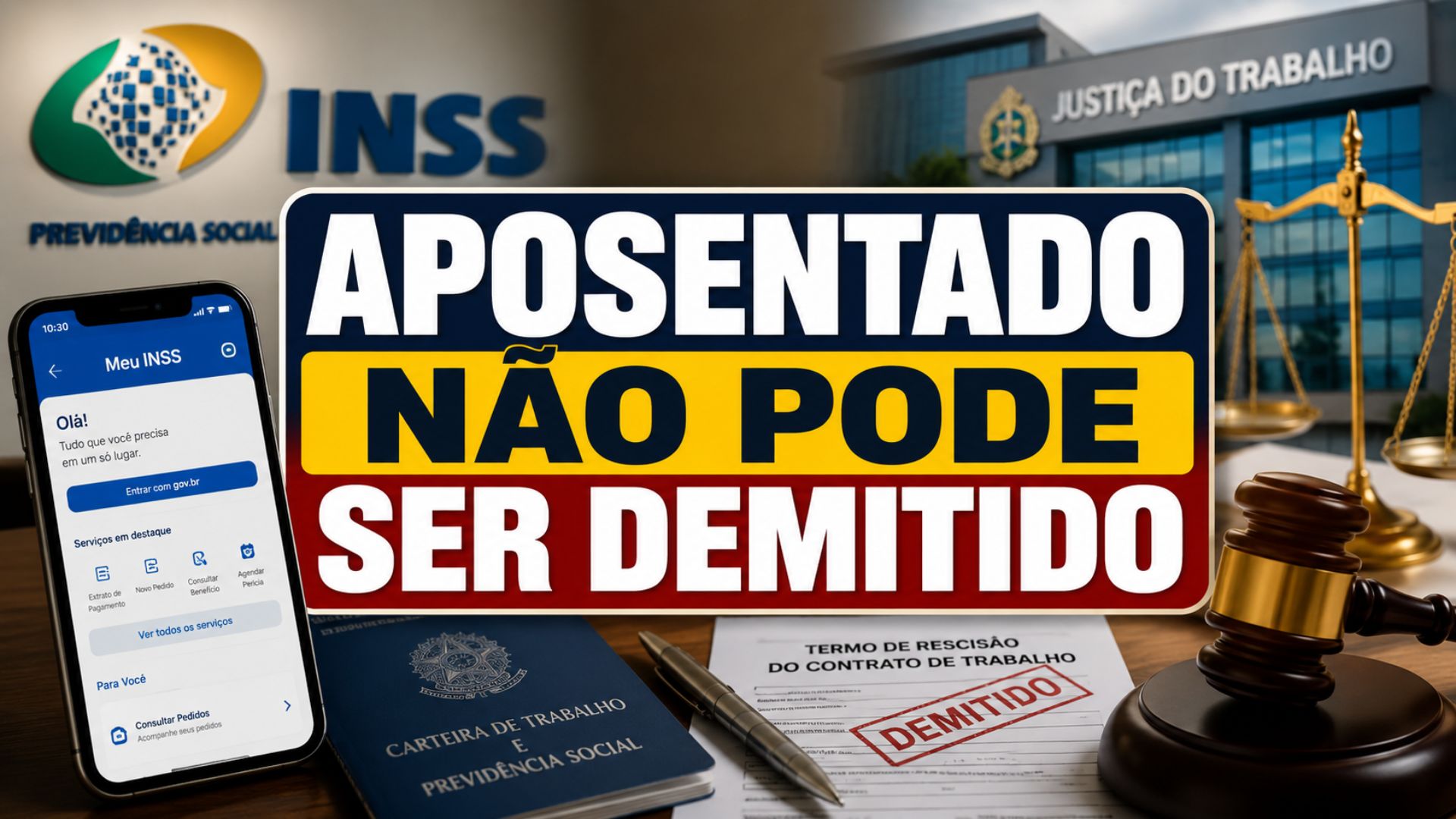
Dismissing a retired worker or one eligible for retirement constitutes ageism and creates a duty to compensate: a unanimous decision by the TRT mandates reinstatement to employment, payment of back wages, and upholds compensation of R$ 15,000 for discrimination.

-
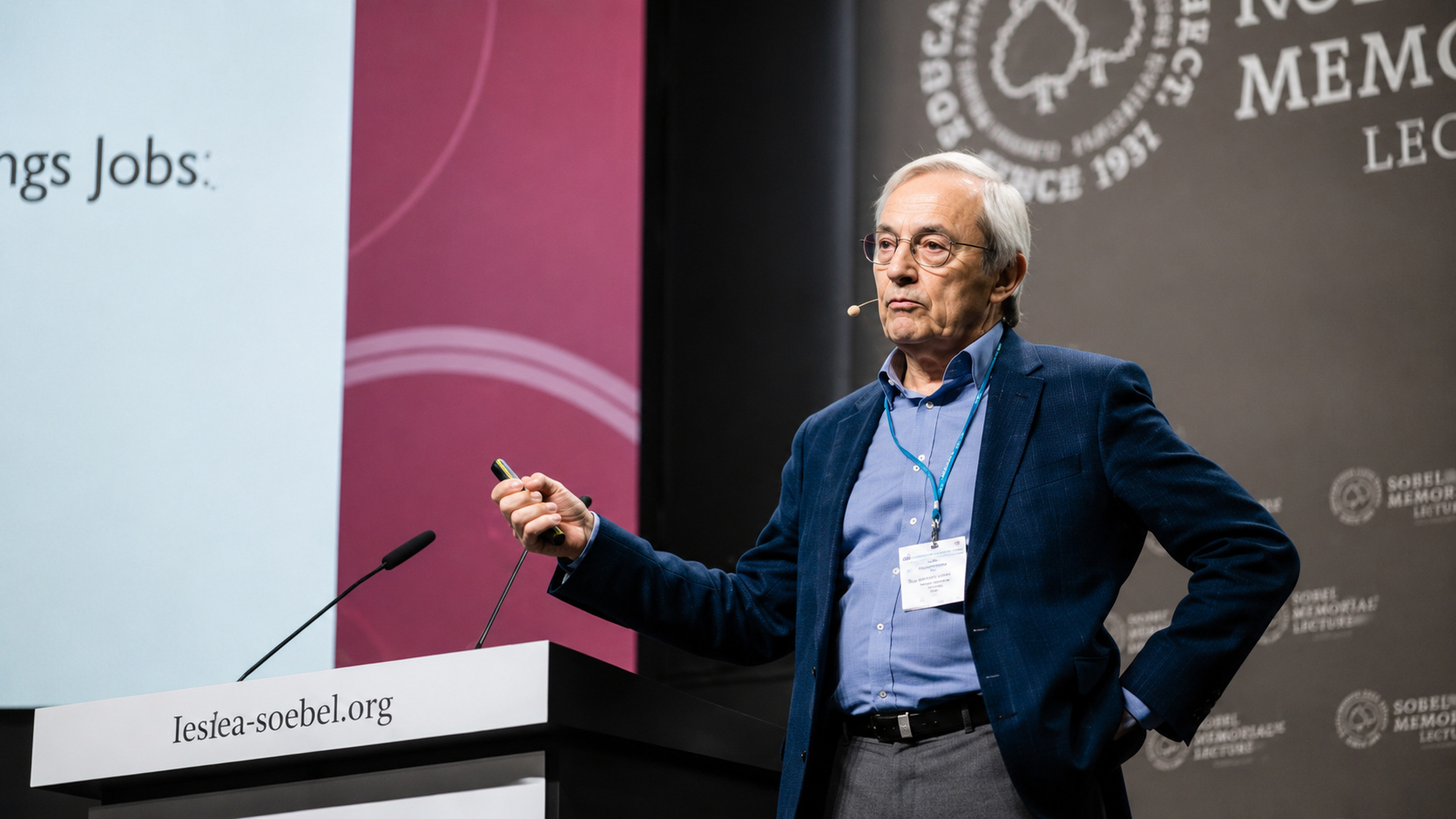
Work less and produce more? Nobel Prize in Economics explains why shorter workdays can increase productivity

-
Unions are growing again in Brazil after more than a decade, but they face an urgent challenge to win back digital workers and maintain relevance.


The agencies remain open and measures have been implemented to reduce impacts on essential activities.
What Happened and Why This Caught Attention
The strike involves Postal Service workers in Ceará, Mato Grosso, Minas Gerais, Paraíba, Paraná, Rio de Janeiro, Rio Grande do Sul, Santa Catarina, and São Paulo.
The mobilization combines two central points: contestation of internal measures and the absence of a resolution in the collective agreement.
Additionally, the agenda includes salary adjustment, reinforcing the pressure for quick responses amid the end-of-year calendar.
How the Company Maintains Service During the Strike
The Postal Service reports that operations are proceeding normally and that there is no widespread interruption.
The state-owned company claims that all agencies remain open and that actions were taken to ensure the functioning of what is considered essential.
The company also mentions the use of contingency measures to mitigate potential operational impacts and preserve service continuity.
What Is the Extent of Participation and What Does This Indicate in Practice
The national workers’ union states that 91% of the workforce continues to be active.
Within the set of 36 unions, 24 did not join the strike movement.
This scenario indicates a limited participation at the moment, concentrated in part of the country, without a total shutdown of the network.
What May Happen from Now On
There is an expectation for the movement to expand, with the possibility of new unions joining the strike starting on December 23.
The anticipation of the strike by some entities suggests an attempt to increase pressure and expedite a resolution to the labor impasse.
The advancement or retreat of the movement depends on the pace of negotiations and alignment among the unions.
Financial Crisis and Pressure for Restructuring Within the Postal Service
The Postal Service is undergoing a financial crisis associated with the period following the start of Remessa Conforme.
Among the cited measures are internal restructuring, asset sales, employee layoffs, and the search for a loan of R$ 12 billion.
This context heightens tensions between management and workers, as internal changes may affect routines, costs, and working conditions.
Mediation by the TST and What Is at Stake in the Negotiation
The negotiation between the Postal Service and its employees occurs with mediation from the Superior Labor Court, TST.
The handling of the matter by a Labor Justice body centralizes discussions in a formal environment, aimed at seeking balance between the parties.
With the partial strike ongoing and the possibility of expansion, the outcome is likely to influence the stability of operations in the coming weeks.
The partial strike by the Postal Service already affects 9 states and keeps the dispute for collective agreement and salary adjustment in the spotlight.
While the agencies remain open and operations continue, the mediation from the TST and the possibility of new joiners starting on December 23 may redefine the scenario.