Portuguese
  Spanish


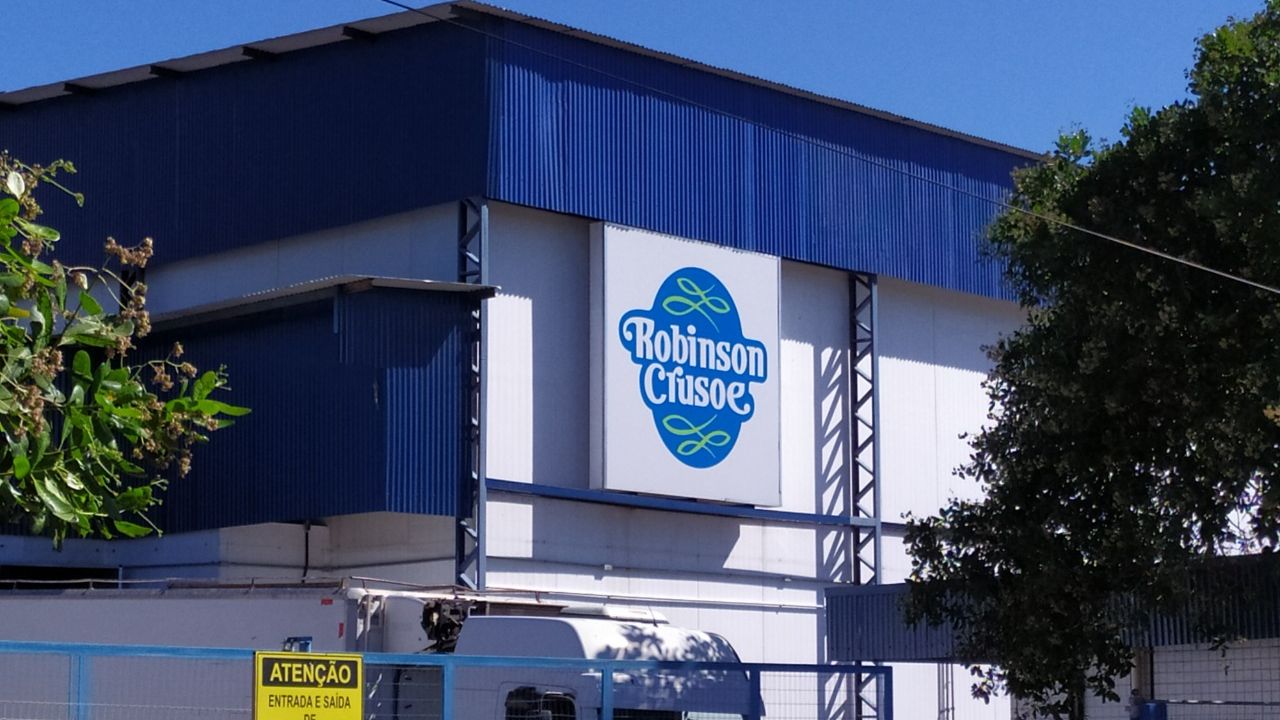

The Jealsa Group Inaugurated Its New Factory in Ceará This Tuesday (28), Which Will Produce 100 Million Cans of Sardines a Year and Generated More Than 500 Direct Jobs and 1,100 Indirect Jobs
São Gonçalo do Amarante, in Ceará, will host a new tuna and sardine can factory from Robinson Crusoe, part of the Spanish Group Jealsa. The expectation, according to the group, is that by the end of this year, in addition to various jobs, the factory will produce around 100 million cans. The Jealsa Group, of which the company is a part, invested R$ 53 million in industrial technology and modernization and estimates that a total of R$ 100 million will be generated by 2026, as established in an agreement between the Government of Ceará and the investors in 2019.
Read Other Related News
More Than 500 Jobs Generated at the Jealsa Factory in Ceará
The inauguration ceremony for the factory took place this Tuesday (28) and was attended by Camilo Santana, Governor of Ceará, Maia Junior, Secretary of Economic Development and Labor, Marcelo Ferreira Teles, Mayor of São Gonçalo do Amarante, and Jesús Manuel Alonso, Global President of the Jealsa Group.
Marketing to all regions served in Brazil, North, Northeast, South, and Southeast, the factory in Ceará generated about 500 direct jobs, with 70% filled by women, and another 1,100 indirect jobs, in addition to hiring 1,000 fishermen.
-
China’s Engineered Bamboo: The “Material of the Future” Stronger Than Steel and a Sustainable Wood Alternative

-
Egypt’s “New Nile”: 170 km Artificial River Aims to Turn Desert into Farmland, but Water Supply Concerns Loom
-
Eni Acquires 25% Stake in Chilean Lithium Project, Plans to Invest Up to $225 Million in Eco-Friendly Extraction Method
-
Unable to secure a mortgage as a self-employed single mother, she designed her own floating home from a 20-meter boat and now lives “off-grid” with her two children and solar panels on an English canal.




The focus on product quality comes from the global We Sea program adopted by Jealsa, aimed at contributing to and participating in initiatives and associations focused on conserving marine resources and combating illegal fishing.
Tuna Market Generates Expectations in Brazil
In 2019, another agreement was signed between the Government of the State of Ceará and the Jealsa Group, which foresees the exchange of technologies, professionalization, and knowledge for the sustainable development of fishing activities in Ceará.
Executives in the sector claim that the revenue-generating capacity of canned seafood has strong potential for expansion, particularly due to the significant presence of tuna in the national market.
Despite sardines being the favorite of Brazilian consumers, it is tuna that holds all the expectations, especially because the catch of the former has been declining over time, while that of tuna is on the rise.
Meet the Jealsa Group
Founded in 1958, Jealsa is a family-owned company based in Galicia dedicated to the manufacture and distribution of canned fish and seafood. Throughout its more than 60-year journey, the group has achieved various milestones.
The company focuses on the main pillars for growth: sustainability, innovation, and commitment. Currently, the Jealsa Group comprises 23 companies, grouped into the following areas of operation: Food, Fishing and Services, Energy, and Circular Economy.
Currently, the company employs more than 4,600 people worldwide. Additionally, the company also focuses on sustainable generation and has two cogeneration plants and various participations in wind projects.
Another important factor is the development of a Circular Economy structure to isolate and separate the different active ingredients in its raw materials. As soon as the fish arrive at its facilities, the company is responsible for maximizing utilization.