






 Portuguese
  Spanish


Piracanjuba Group Receives Funding from BNDES for Biogas Use, Aiming to Increase Energy Efficiency and Reduce Its CO₂ Emissions. Project Details and Its Impacts:
On March 7, 2025, the Piracanjuba Group received a funding of R$ 150 million from the National Bank for Economic and Social Development (BNDES), with the aim of investing in sustainable technologies. The funds will be used for the implementation of industrial wastewater treatment plants (ETEs), aiming for the production of biogas and the reduction of greenhouse gas emissions. With this funding, Piracanjuba reinforces its commitment to energy transition and the search for more efficient and sustainable solutions for its operations.
What Will the Funding Enable?
The approved funding will be allocated to the construction of four industrial wastewater treatment plants (ETEs) in different Piracanjuba units, located in Araraquara (SP), Três Rios (RJ), Carazinho (RS), and São Jorge D’Oeste (PR). Additionally, the project also includes replacing the current boilers, which use fossil fuels, with new boilers that will use biogas as an energy source. This investment aims to increase energy efficiency of the units, reduce the dependence on fossil fuels, and decrease CO₂ emissions.
The project was structured based on the guidelines of BNDES, intending to ensure that the solutions adopted meet sustainability and energy efficiency criteria.
-
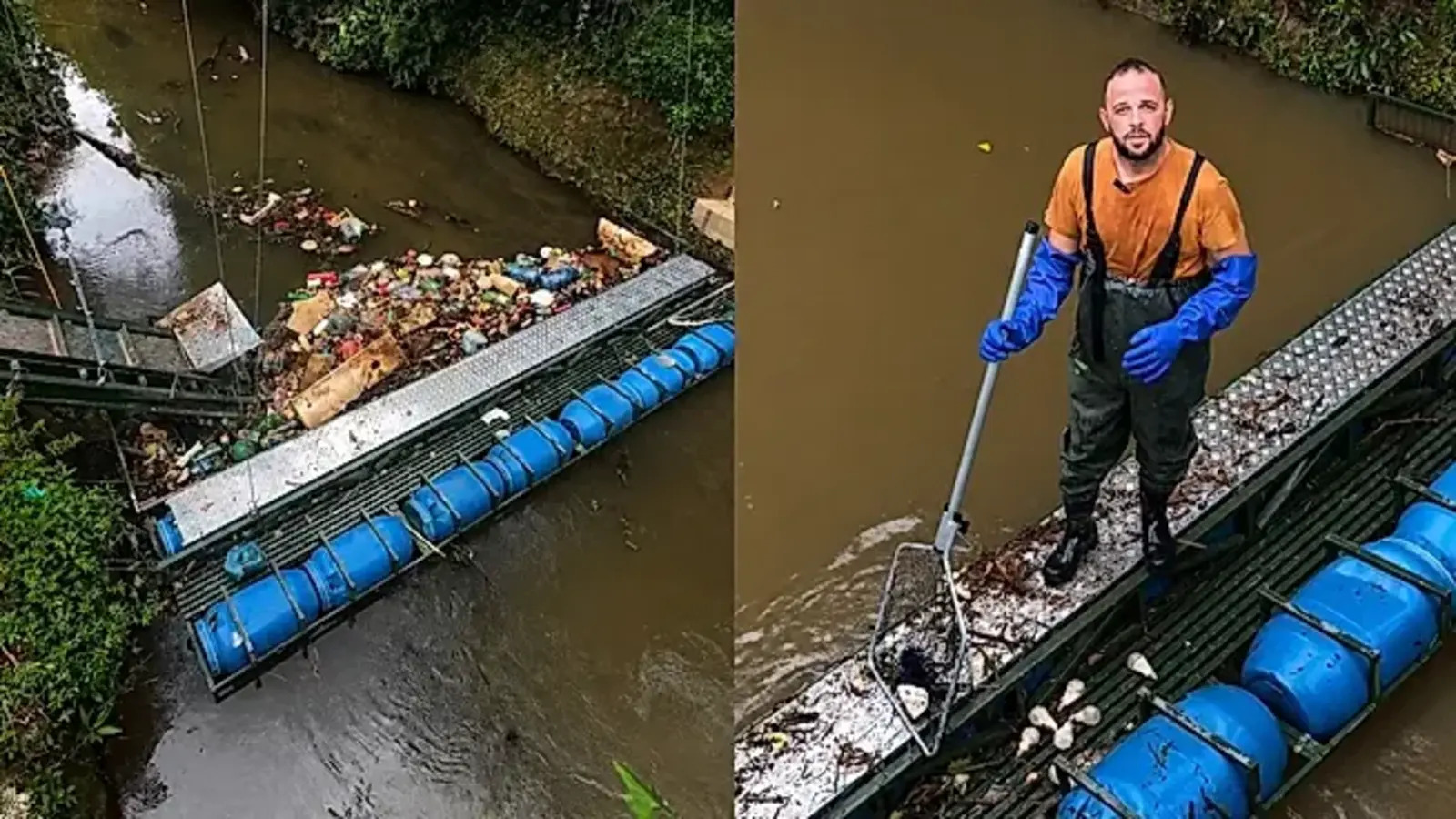
Brazilian promises his children to save a river, creates an eco-barrier in his backyard, has already removed more than 40 tons of trash from the water, and even inspires the idea in other states of the country.

-
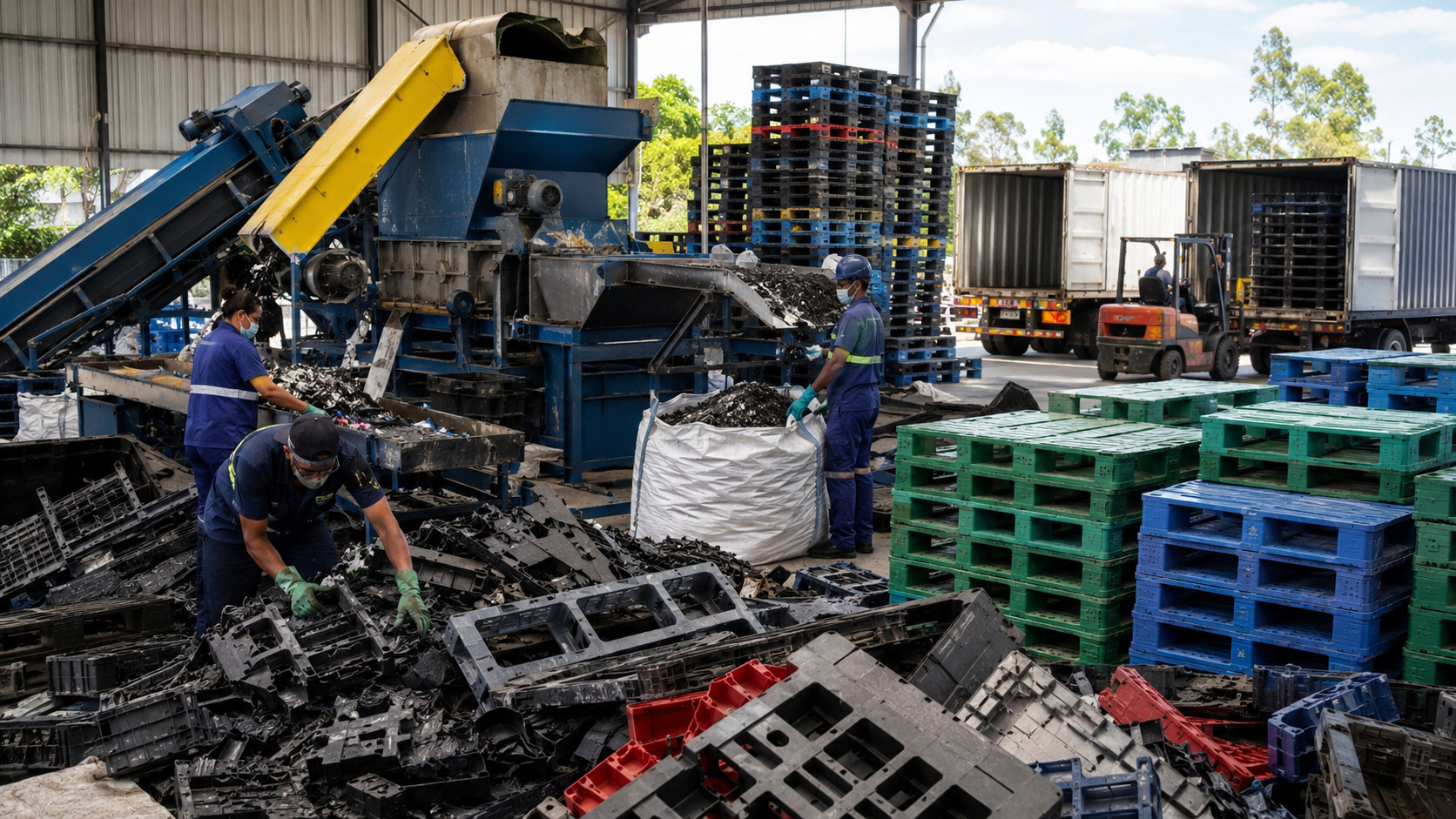
How a Brazilian company created a system that transforms broken pallets of any brand into new assets, recycles 80 tons of plastic per month, and found a profitable solution to a problem that challenges industries across the country.

-
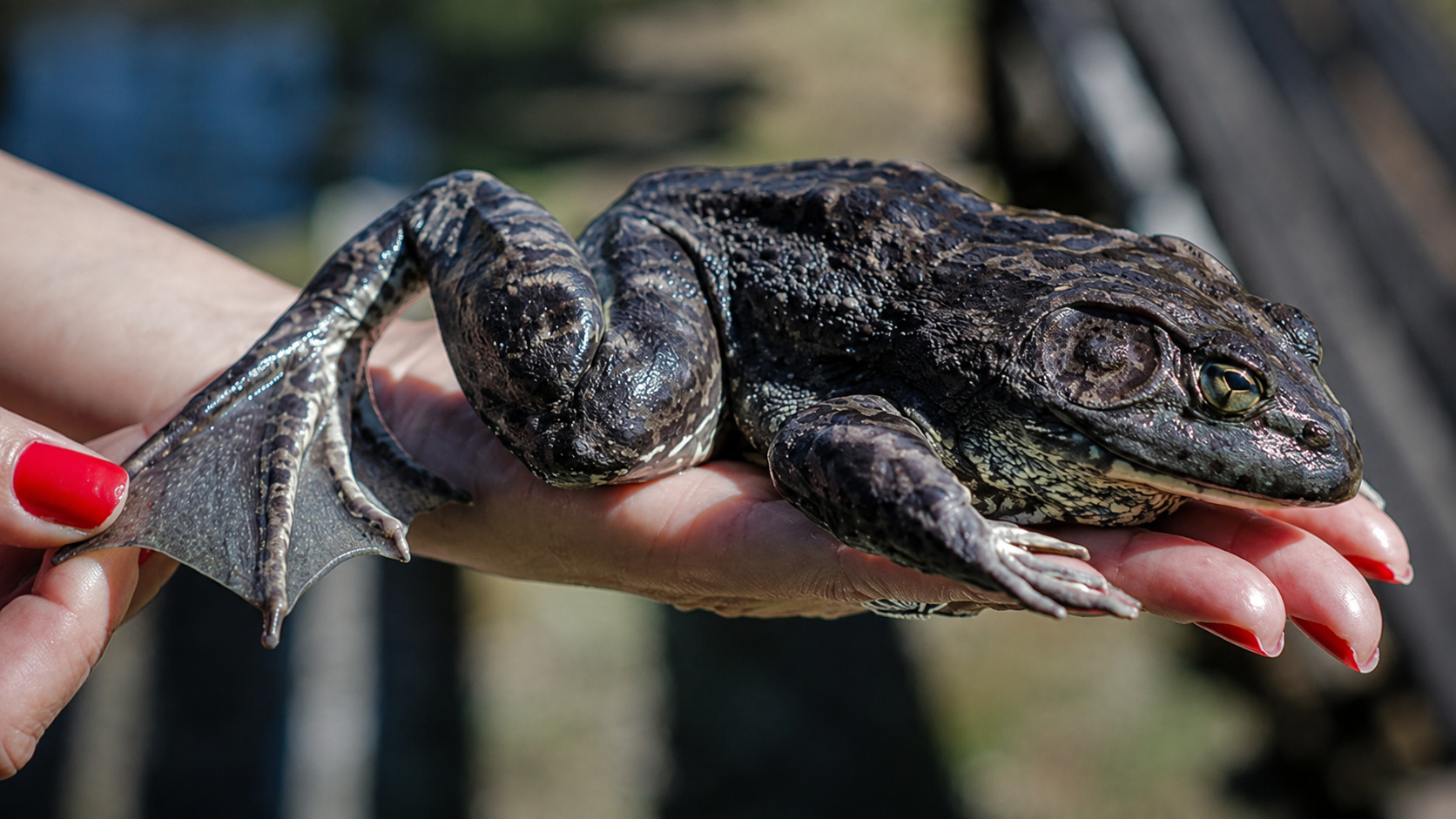
Invasive bullfrog capable of devouring other amphibians and laying up to 20,000 eggs is found in Florianópolis, raising an alert about the threat to native fauna.
-
It looks like a baby, but it’s an adult: meet the Bornean pygmy elephant, the smallest elephant in the world threatened by habitat loss.

Benefits of Biogas for the Piracanjuba Group
The adoption of biogas has as its main benefit the transformation of industrial waste into a renewable energy source. It is expected that, upon reaching full production capacity of the ETEs, the generated biogas will help reduce CO₂ equivalent emissions by up to 152,7 thousand tons annually. This environmental impact aligns with the sustainability goals set by the Brazilian government and with current environmental standards.
Moreover, the use of biogas will allow Piracanjuba to become more energy self-sufficient, reducing the need for external energy sources and generating long-term operational cost savings. The expectation is that, with the implementation of the new boilers and the increase in operational efficiency, the company will improve its competitiveness in the market.
The Contribution to Operational Efficiency
The implementation of biogas has the potential to enhance energy efficiency of Piracanjuba by replacing traditional energy sources, such as fossil fuels, with a renewable and sustainable alternative. This will reduce operational costs, while also contributing to the reduction of the carbon footprint of the company.
Additionally, Piracanjuba will seek to optimize waste management processes, resulting in better resource utilization and contributing to the reduction of the environmental impact of its operations.
The Role of the New Climate Fund in the Project
This project, therefore, was made possible by the New Climate Fund, an initiative from the federal government that supports emission reductions and encourages a low-carbon economy.
Thus, in 2024, the Climate Fund allocated R$ 10 billion to sustainable and innovative projects, such as that of Piracanjuba.
With this support, Piracanjuba will be able to maximize biogas production and contribute to the energy efficiency of its units. The funding from the Climate Fund is part of a larger strategy to encourage the energy transition in Brazil and reduce the dependence on non-renewable sources.
Environmental and Economic Impact of the Project
The project will reduce CO₂ equivalent emissions by up to 152,7 thousand tons per year, supporting the government’s sustainability and emissions goals.
Additionally, the replacement of boilers and the generation of biogas will reduce energy operational costs, increasing efficiency and ensuring savings over time.
Future Perspectives for the Piracanjuba Group
Piracanjuba continues to prepare for future challenges, focusing on innovation and sustainability. The BNDES funding reflects its commitment to energy transition and adaptation to environmental standards. Furthermore, the company is continuously investing in sustainable practices, not only to meet environmental requirements but also to maintain its competitiveness in the market.
Other Sustainability Initiatives at Piracanjuba Group
Moreover, the Piracanjuba Group not only utilizes biogas but also continuously invests in various other sustainable initiatives. For example, the company focuses on circular economy, which, in turn, helps to reduce waste. Similarly, there is a significant focus on more efficient use of water resources, ensuring responsible management. In addition, the company seeks environmental certifications to ensure that its operations are always aligned with the best sustainability and environmental responsibility practices.
These actions reflect the continuous commitment of Piracanjuba to sustainability, reinforcing its position as a leader in the dairy sector and promoting a more sustainable and competitive future.
In conclusion, BNDES approved R$ 150 million for Piracanjuba to implement a sustainable project focused on biogas production. This will improve energy efficiency and reduce emissions.
The project will bring environmental benefits and allow Piracanjuba to maintain its trajectory as a responsible and sustainable company.
Piracanjuba therefore continues to invest in innovative and sustainable solutions, as it seeks, above all, to reduce its carbon emissions. Moreover, this effort aims to increase its competitiveness in the dairy sector. Thus, the implementation of these technologies will not only allow the company to reach its sustainability goals but also help it contribute significantly to a more sustainable future.




Be the first to react!