Portuguese
  Spanish


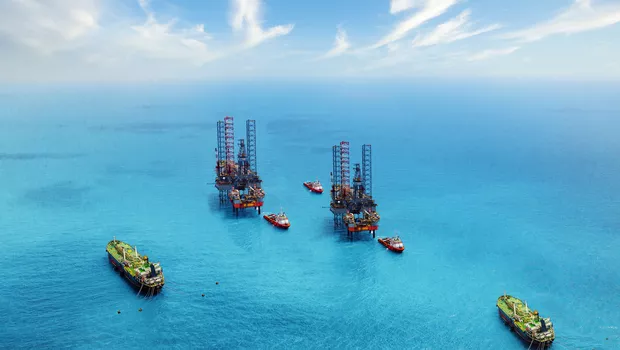

Guyana Has Just Granted Permission for Oil Exploration by Brazilian Investors, Reported Vice President Bharrat Jagdeo. He Stated That Other Countries, Such as Qatar, Kuwait, and India, Are Also Interested in the Proposal.
The Government of Guyana Wants Several Investors to Join This New Initiative, Although Only Three Oil Fields Are Allowed for Simultaneous Development. The Bidding Round for the 14 Fields Started Last December, and It Is Expected That Contracts Will Be Signed by the End of May This Year.
Brazil, Qatar, India, and Kuwait Have Shown Interest in Exploring the Wealth of Guyana’s Oil Fields. Additionally, the United Kingdom and United Arab Emirates Have Also Expressed Interest in Guyana’s Energy Sector. The Agreement Includes a Royalty Rate of 10%, as Well as a Corporate Tax of 10%. Furthermore, the Cost Recovery Limit Will Be Reduced from 75% to 65%. The Government Will Also Retain a 50/50 Share of Post-Recovery Profits Between Itself and the Contractor.
In 2020, Guyana Began Exporting Oil to Several Countries, Including the United States and China. In March of Last Year, the Country Made Its First Export to India, an Important Step Toward Energy Independence from the Middle East.
-
OPEC+ Boosts Oil Supply by 188,000 Barrels per Day in July 2026, Leading to Price Drop from $112 to $89 per Barrel in Under Two Months

-
TotalEnergies Signs 20-Year Deal to Purchase 2 Million Tons of LNG from Alaska, Boosting Project Viability
-
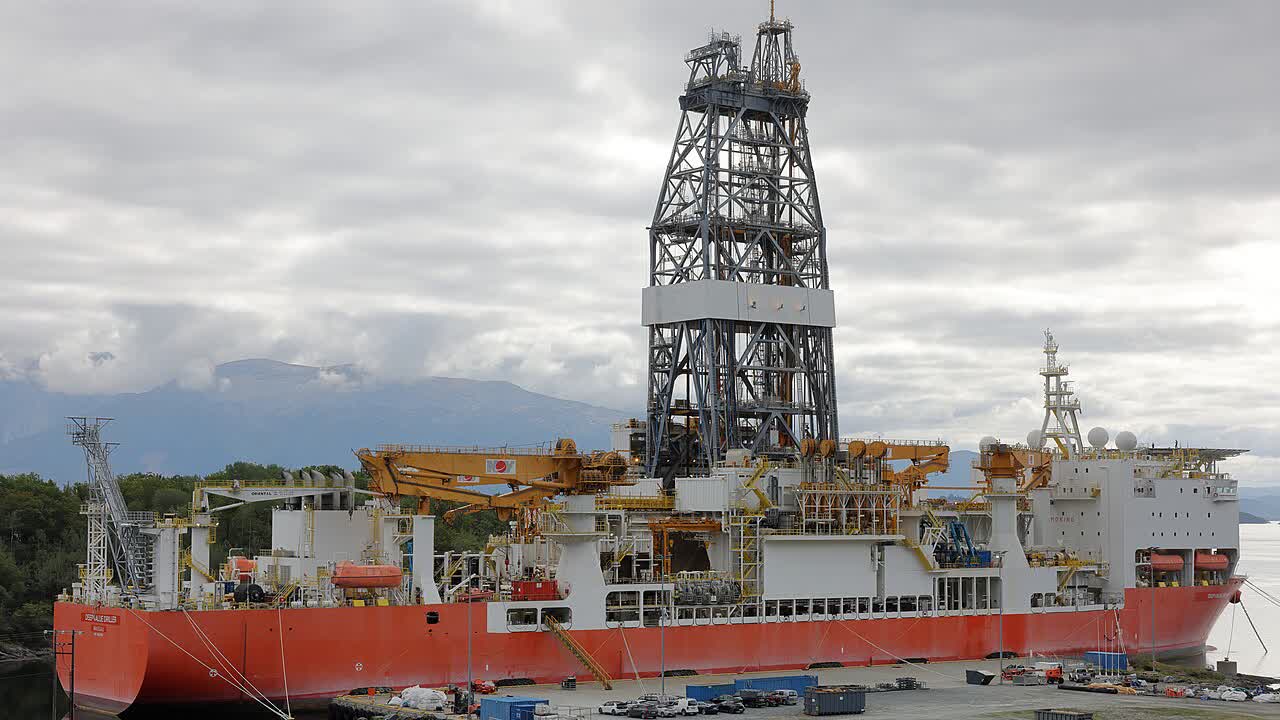
Turkey Deploys Çağrı Bey Drilling Ship to Explore New Oil Frontier Off Somalia’s Coast
-
Golden Pass LNG Ships First Liquefied Gas Cargo from the U.S., Completing $10 Billion QatarEnergy and ExxonMobil Investment


OPEC Decides to Maintain Oil Production Cuts

The Exploration of Guyana’s Oil Fields Will Certainly Bring Significant Benefits to All Involved. The Government Hopes to Generate Revenues That Can Finance the Country’s Future Development and Ensure Profitable Returns to Investors Through Oil Activities Developed in the Region. It Will Be Very Interesting to See How These New Agreements Affect the Global Economy in the Coming Years.
Brazil Is Ready to Increase Liquid Production, According to OPEC
Brazil Is Ready to Increase Its Liquid Production, According to the Monthly Report Released by the Organization of the Petroleum Exporting Countries (OPEC). The Estimate Is That, in This Year of 2023, Production Will Be 3.9 Million Barrels per Day (bpd), an Increase of 200,000 bpd Compared to 2022. This Increase Is Expected Not Only in Brazil but Also in the United States, Norway, Canada, Kazakhstan, and Guyana.
In Brazil, Most of This Growth Will Come from the Mero (Libra NW), Búzios (Franco), Tupi (Lula), Peregrino, Sépia, Marlim, and Itapu (Florim) Fields. Although There Are Positive Expectations for 2023, There Are Economic Challenges Ahead That Need to Be Closely Monitored.
According to the OPEC Report, Petrobras Has Played an Important Role in Renewing the Campos Basin, Initiating 10 New Production Wells and 4 Injection Wells to Expand Production. Furthermore, the Higher Commodity Prices Have Contributed to Brazil’s GDP Growth, Which Was 2.8% in 2022 and 1% in 2023.
The Lula Administration Announced Ambitious Plans to Consolidate the Budget, Which Could Provide a Strong Foundation for Growth This Year and in the Coming Years. On the Other Hand, Lower Inflation Could Boost Even Greater Growth This Year, and Stronger Market Conditions Could Bring Business Optimism.
However, While Forecasts Are Encouraging for the Coming Years, It Is Important to Remember That There Are Some Economic Challenges in Brazil. Monitoring Fiscal and Monetary Conditions Will Be Necessary to Ensure That Growth Is Sustainable. With This in Mind, Brazil Could Continue Successfully Driving Global Liquid Supply in the Coming Years.