Portuguese
  Spanish


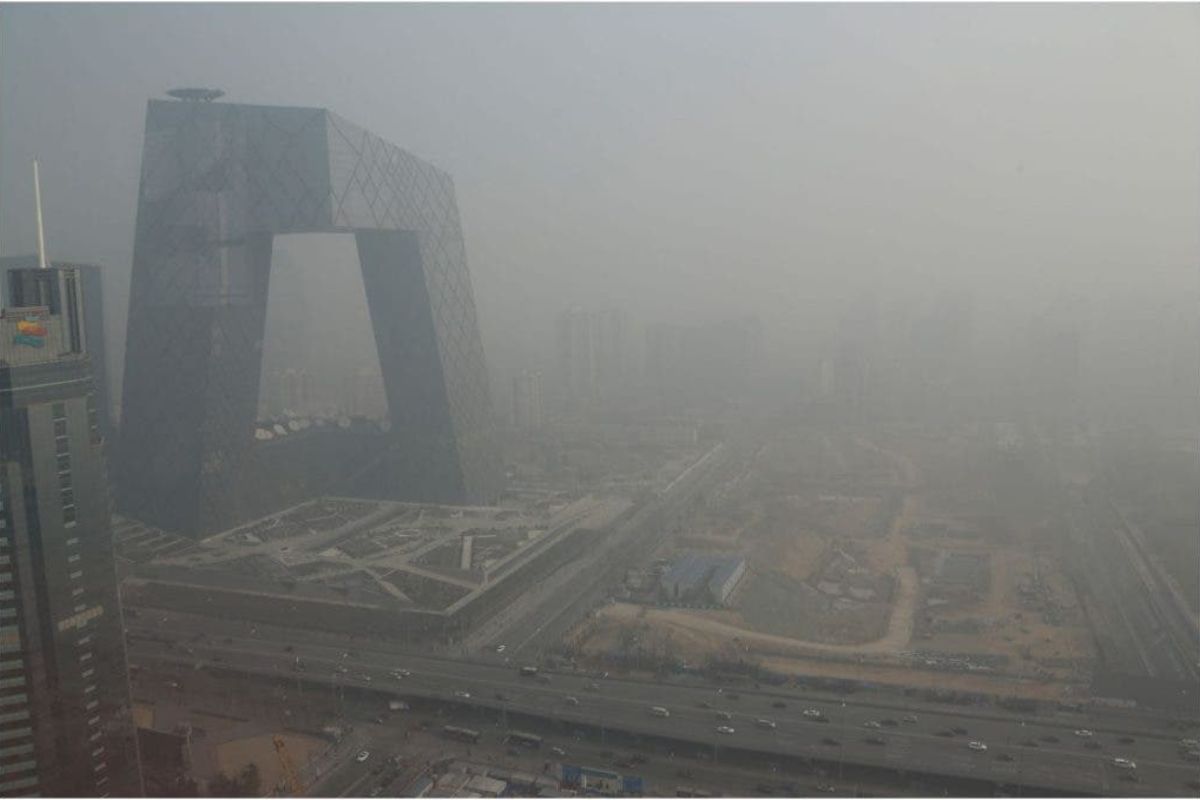


On December 8, 2015, Beijing Closed Schools, Stopped Construction, and Restricted Cars After Red Alert. In 2025, the City Fell to 27 Micrograms of PM 2.5, Expanded Low-Emission Zones, Switched Coal for Gas and Electricity, and Redefined Annual Air Quality in a Globally Seen Jump
Beijing experienced one of the most extreme portraits of recent urban crisis when, on December 8, 2015, it closed schools, halted construction, and drastically reduced traffic. The city described the air as unbreathable, in an episode that marked the first red alert for pollution.
Ten years later, Beijing began to be cited for the opposite effect: annual air quality with PM 2.5 levels lower than Madrid, a result associated with structural changes in transportation and urban circulation. The turnaround did not happen by chance or due to a single decree, but through a series of substitutions, restrictions, and the removal of old vehicles.
From the 2015 Red Alert to the Indicator That Became a Reference

The date of December 8, 2015, is remembered because Beijing activated a layered municipal protocol and adopted strict short-term measures.
-
Volcanic Soils from Destructive Eruptions Turn into Million-Dollar Crops: Ashes Nourish Grapes in Lanzarote, Bananas in the Canary Islands, Blood Oranges on Mount Etna, and Cacti in Mexico, Showcasing How Lava-Formed Lands Sustain Rare Harvests in Seemingly Barren Regions

-
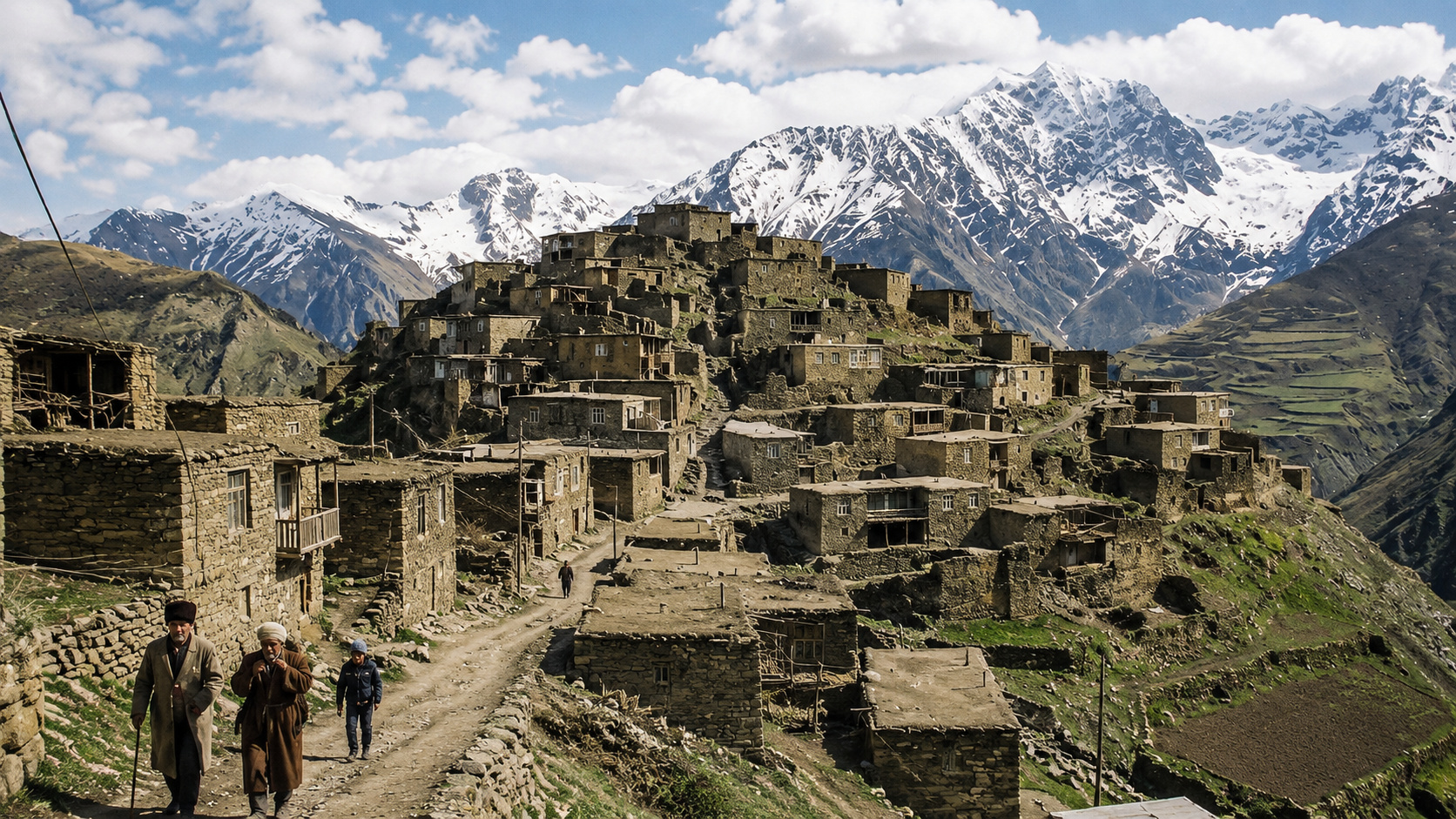
In the Caucasus Mountains, a Community Preserves a Language So Rare Few Outsiders Can Understand It

-
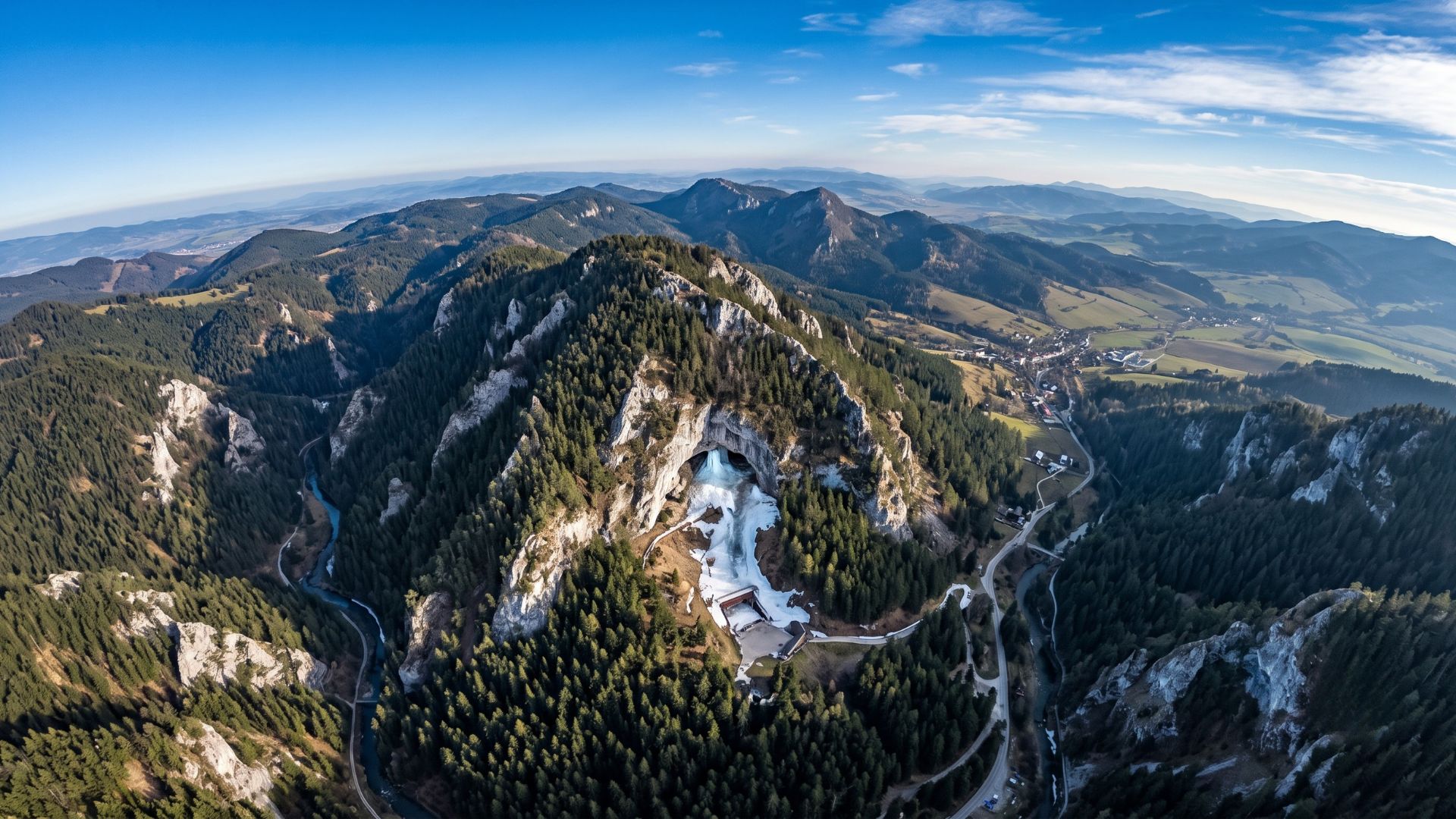
Slovakia’s Ice Cave Holds Over 110,000 m³ of Frozen Wonders, Boasts Walls Up to 27 Meters Thick, and Was Among the First Electrified Caves Globally

-
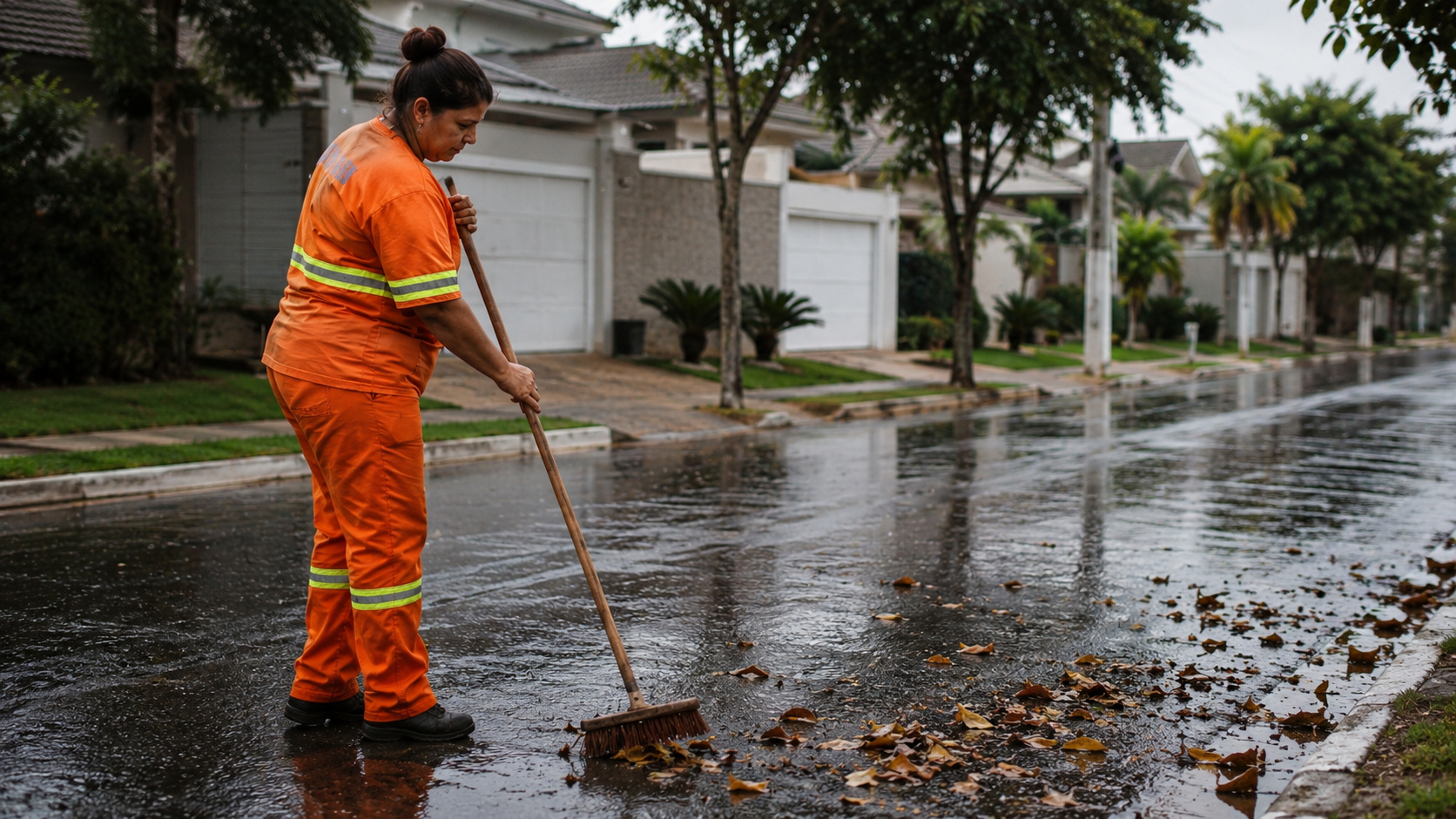
Street Cleaner Accidentally Receives $200,000 Transfer, Returns Unexpected Fortune to Rightful Owner

On that day, the city recorded 291 micrograms per cubic meter of PM 2.5, ultrafine particles associated with significant health damage and strongly linked, among other sources, to combustion in engines, especially diesel.
To gauge the distance between crisis and control, the WHO recommended at the time not to exceed 25 micrograms per cubic meter.
This contrast helps to understand why Beijing viewed the episode as a turning point: it was not a momentary fluctuation, it was a recurring risk pattern, in an environment where the air quality indicator needed to stop being a surprise and become management.
PM 2.5, Annual Average, and the Leap That Changes the Comparison with Madrid

The comparison with Madrid arises when the debate shifts from “extreme day” to annual average.
In 2013, the annual average reached 89.5 PM 2.5, a level that helps explain public pressure and the need for permanent policies.
From there, Beijing began to treat air quality as a mobility and energy goal, not just as an emergency campaign.
In 2025, Beijing recorded 27 micrograms per cubic meter of PM 2.5 in the annual average, while Madrid remained below 31 micrograms of PM 2.5 on average, according to local authorities.
Moreover, 311 days of 2025 were classified within parameters indicating the best air quality.
When discussion shifts to averages and frequency of good days, the city stops “reacting” and starts “controlling.”
What Changed in Mobility: Removal of Cars, Entry Rules, and Low-Emission Zones


The transformation of Beijing is attributed to a package in which mobility became the main target.
The most forceful move was the removal of 1.9 million very old and polluting cars from circulation, a cut that changes the emissions profile without relying solely on individual awareness.
Low-Emission Zones gained a central role by limiting vehicle entry and imposing circulation rules during high pollution periods.
Beijing used standards equivalent to Euro 6, referred to as 6NI, as a reference to allow or deny entry into the city, in addition to adopting a rotating restriction on alternate days based on license plate numbers.
Low-Emission Zones act as an urban filter: they define who enters, when they enter, and with what emission standard.
Energy, Coal, and the Base Swap That Sustains Air Quality
The energy axis appears as a less visible but decisive foundation.
Beijing replaced more than one million coal boilers with gas or electric boilers, a type of change that structurally reduces emissions and helps stabilize air quality outside emergency days.
During the same period, Beijing added more than 600,000 new energy vehicles, referred to as electric or plug-in hybrids that frequently operate in fully electric mode.
The switch from coal, the expansion of new energy sources, and the tightening of circulation are combined.
Without reducing coal, mobility improves only up to a certain point; without reducing emissions in transit, the coal switch does not deliver the full gain.
Beijing moved from a routine of interruption and emergency to a logic of goals and control, with annual air quality below 30 micrograms per cubic meter for the first time in recent history, PM 2.5 at 27 in the annual average of 2025, and a package that mixes circulation restrictions, removal of old vehicles, Low-Emission Zones, and coal substitution.
The case draws attention because it shows that the turnaround requires scale, cost, and persistence, not just campaigns.
In your city, which measure would you accept first to improve air quality: restricting diesel in Low-Emission Zones, accelerating the coal switch in thermal systems, or removing older vehicles from circulation even with the financial impact? Share a real example of what has changed or what you think is impossible to happen.