






 Portuguese
  Spanish


7 Thousand Apple Computers Destroyed: Understand What Led Steve Jobs’ Company to Make This Decision in the 90s.
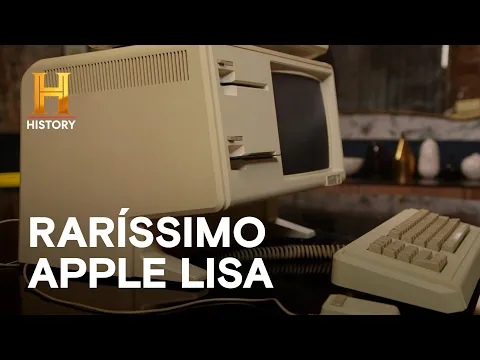
7 Thousand Apple Computers Were Destroyed: In 1983, Apple launched an innovative computer for the time: the Apple Lisa. Equipped with a graphical interface and a mouse, the model promised to revolutionize the market. However, despite Steve Jobs’ ambitions, the Lisa was a sales failure, according to records from the Mac-History portal.
Its compact design, insisted upon by Jobs, resulted in overheating issues, causing frequent crashes. In addition, its high launch cost limited its market reach. In this article, we explore the story of the 7 Thousand Apple Computers Destroyed and the impact of this decision.
Apple Decides to Destroy Thousands of Lisa Computers
When it hit the market, the Apple Lisa had a launch price of US$ 9,995 — equivalent to about R$ 50,000 in direct conversion today. This price made the model inaccessible to the general public. At the same time, IBM was selling its PC 5150, equipped with the Intel 8088 processor, a model that became a reference in modern computing and attracted a much larger audience.
-
European Country Achieves 100% Glass Recycling and 52% Municipal Waste Recovery, Highlighting Brazil’s Challenges Despite Selective Collection in 60.5% of Cities

-
Facing extreme heat, floods, and disappearing fertile soil, Pakistan launches a “10 Billion Tree Tsunami” in three years to combat desertification, protect rivers, create green jobs, and make reforestation a national survival priority.

-
Cape Verde’s World Cup Surprise: Betting on Electric Cars, a 5 MW Solar Plant, and an Ambitious Plan to Transform Energy for 600,000 Residents

-
Man Finds 1,469 Ancient Roman Silver Coins While Metal Detecting in Romania


The commercial failure of the Lisa forced Apple to rethink its strategy. Starting in 1984, the company began to focus its efforts on the Macintosh, a more modern model that benefited from an aggressive marketing campaign. As a result, Apple found itself facing a major problem: thousands of units of the Lisa sitting in warehouses.

It was then that Bob Cook, founder of Sun Remarketing and an Apple enthusiast, saw an opportunity. Specializing in recovering and reselling unsold equipment, Cook had previously purchased 3,500 units of the Apple III, another model that failed in the market. In negotiations with Apple, he managed to acquire the unsold Lisas at reduced prices, intending to fix them and resell them.
7 Thousand Computers Destroyed After Investment of US$ 200 Thousand
Sun Remarketing invested US$ 200,000 in research and development to create an improved version of the Lisa, called Lisa Professional. Initially, Apple allowed Cook to make modifications to the hardware to enhance the performance of the computers and sell the leftover units.
Everything seemed to be going well until, in September 1989, Apple abruptly changed its position. Without prior notice or public explanation, the company demanded the return of all the Lisa units in Cook’s possession. Faced with Apple’s legal power, he had no choice but to comply with the order.
Weeks later, a truck hired by Apple collected all remaining stock from Sun Remarketing. Subsequently, the 7,000 units of the Apple Lisa were destroyed and buried in a landfill in Logan, Utah, ending any possibility of resale.
Why Did Apple Destroy 7 Thousand Lisa Computers?
To this day, Apple has never released an official explanation for this extreme decision. However, there are some hypotheses:
- Preservation of Brand Image: Apple may have feared that third-party modified Lisas would malfunction and damage its reputation in the market.
- Control of Ecosystem: The company has always sought a high level of control over its products. Allowing the resale of refurbished computers went against its philosophy.
- Focus on the New Product Line: The Macintosh was already Apple’s new bet, and keeping the Lisa on the market could create positioning conflicts.
This story remained forgotten for years until it was resurfaced by a documentary from The Verge, titled “Lisa: Steve Jobs’ Sabotage and Apple’s Secret Burial”, released in 2023. The material explores this controversial decision and how Apple managed its products at the time.
Interestingly, Apple now positions itself as a company with a strong environmental commitment. Recent models, such as the Mac Mini M4, are advertised as carbon-neutral, using 100% recycled aluminum. This initiative, while commendable, starkly contrasts with the decision to destroy thousands of computers in the 80s, raising questions about the evolution of corporate responsibility over time.
Source: IGN


Show de ****. Sem arrudeio, bem informativo.
Só não entendi como a Apple recuperou todos os equipamentos depois de 5 anos . Vai que existia um contrato com aquela Cláusula , aquela que sempre passa despercebida .
Lisa é também o nome da filha de Steve Jobs.