Portuguese
  Spanish


An Explorer Made an Impressive Discovery: A Remote Abandoned Mine with Tunnels That Seem to Have No End! What Did He Find Inside?
Abandoned mines are scattered around the world, serving as silent remnants of the intense mineral exploitation that shaped human history.
An intriguing example is a remote mine in the United States, supposedly located in California, where veins of galena are still visible on the walls of the tunnels.
The exploration of these mines has significant environmental impact, and many of them remain untouched for decades, being rediscovered by curious explorers.
-
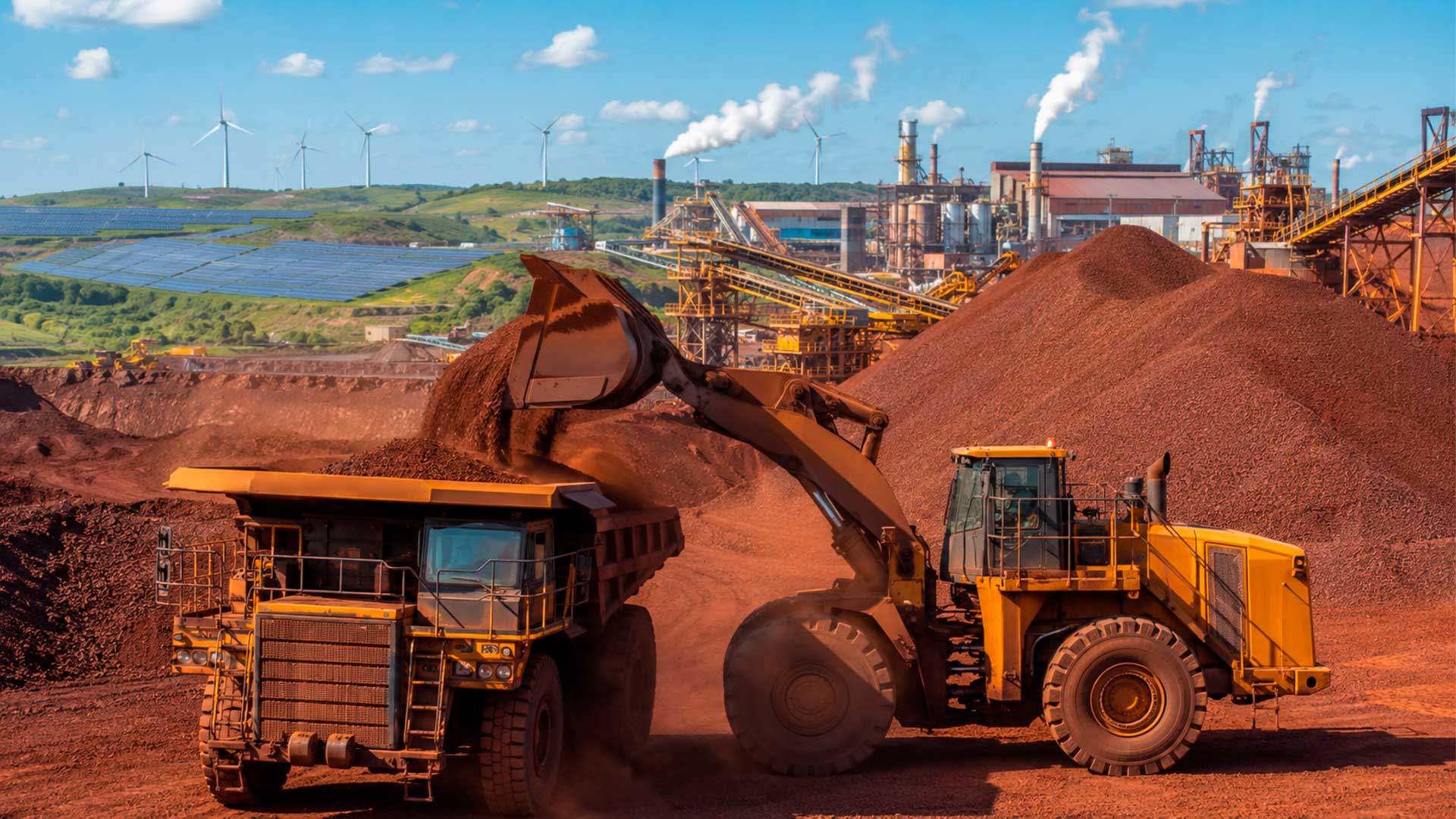
China could reduce iron ore imports from 80% to 50% of consumption by 2030, while its share in global steel production falls from 52% to 46%, in a shift that could reshape the global market, says CMRG.

-
Brazil is sitting on one of the largest lithium reserves in the world, in the Jequitinhonha Valley, but national mining has almost become an appendage of China: 97% of the metal’s export goes to a single country, which also dominates refining.
-
Iron ore falls to 762 yuan in China as real estate sales decline and steel production hits lowest level since 2018
-
Brazil has minerals, clean energy, and a waiting market, but it could miss a billion-dollar opportunity if it doesn’t speed up the race for green minerals, while the steel industry seeks to reduce emissions.


What Is Galena and Its Importance?
Galena is a lead sulfide (PbS), being the main source of this metal. Historically, its extraction has been fundamental for various industries, from metallurgy to paint and battery manufacturing.
Moreover, certain lighter veins of galena contain silver, making its extraction even more valuable. Regions like Linares in Spain have had significant production of this mineral from Roman times until the 20th century.
Galena also has scientific applications, being used in studies on conductive and semiconductor minerals, as well as its role in geology as one of the indicators of the presence of valuable metals in the soil.
Exploration and Abandonment of Mines
Mining reached its peak between the 19th and 20th centuries, when the demand for metals drove the opening of extensive underground tunnels.
With the depletion of deposits or the decline in economic viability, many of these mines were simply abandoned.
As a result, these spaces have become dangerous places, but also fascinating for explorers and historians.
In addition to structural risks, deactivated mines may contain toxic materials such as lead itself, which, if not properly monitored, can contaminate soil and groundwater.
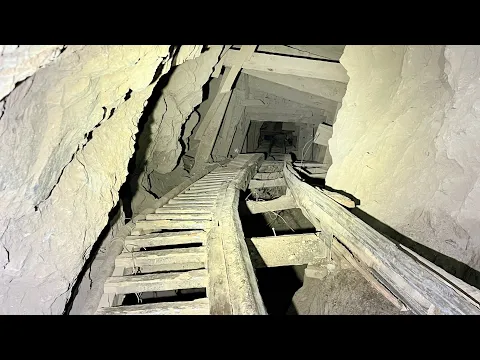
In the case of the mine recently explored by Western Mine Detective, there are still remnants of its past activity: tracks for mineral transport carts, preserved support structures, and utensils left behind.
The presence of an old copy of the Los Angeles Times suggests that the mine operated decades ago. The fact that it still contains deposits of galena reinforces the idea that some of these mines could be reactivated with modern techniques, reducing the environmental impacts of conventional mining. The video has audio in Portuguese.

The Risks and Potential of Abandoned Mines
Although they are places of great historical interest, deactivated mines present risks such as collapses, toxic gases, and lack of oxygen.
However, some of these spaces have been repurposed for tourism, geological research, and even for small-scale mining reactivation.
Geological tourism has attracted visitors to various mines around the world, providing an educational and interactive experience about mining and its impacts.
Additionally, some of these mines are used for underground storage or research centers, taking advantage of their stable temperature and humidity conditions.
With this, responsible exploration and preservation of these sites can reveal secrets from the past and offer new possibilities for the future.
As technology evolves, more sustainable methods can be developed to explore these resources without causing major environmental impacts. Want to know more about the underground world of mines? Access reliable sources and discover the hidden legacy beneath our feet.