Portuguese
  Spanish


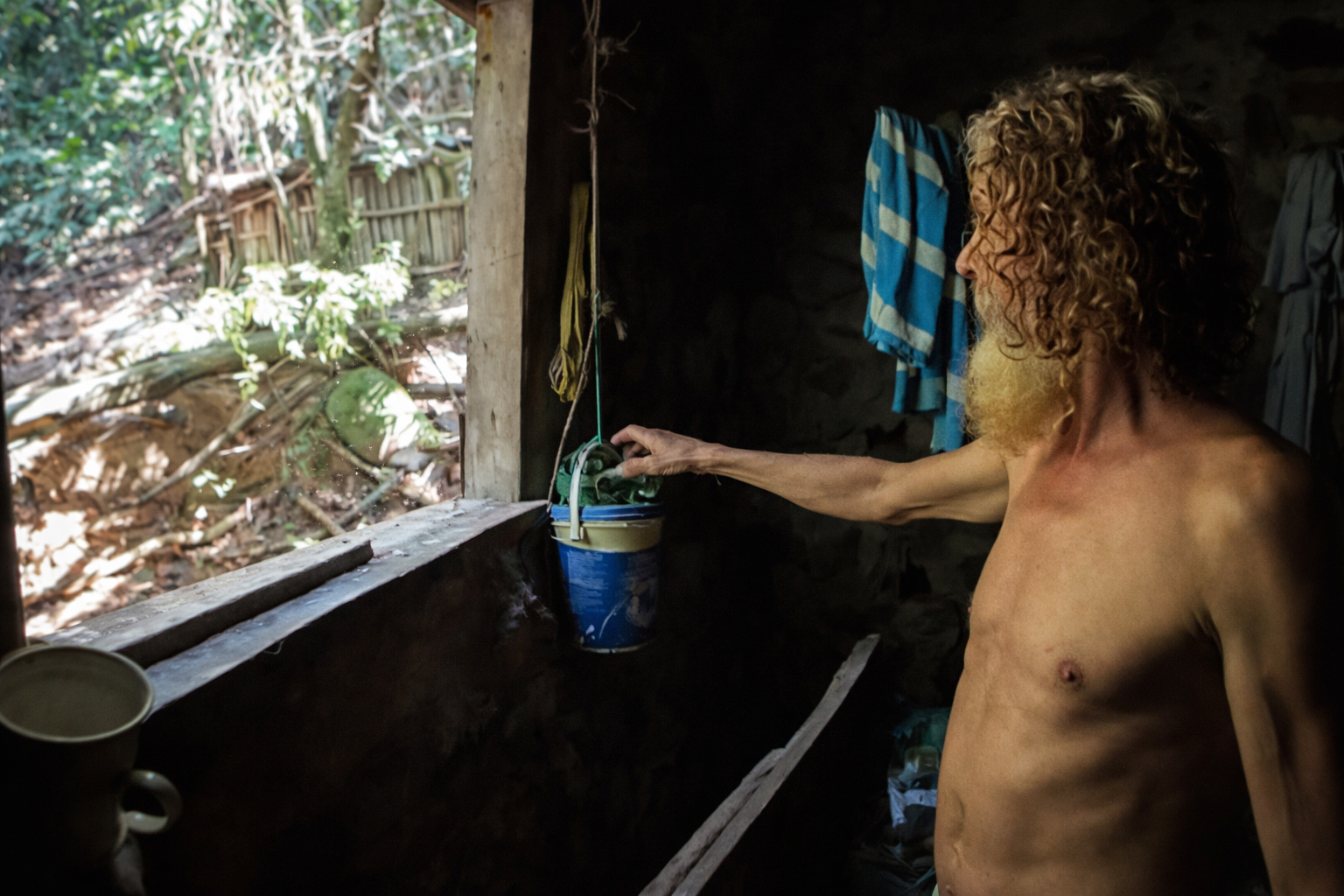


In The Middle Of The State Park Of Pedra Branca, Maurício Has Maintained Since 1984 A Self-Sufficient Routine Removed From Urban Life, Even Surrounded By Some Of The Most Populous Neighborhoods In Rio De Janeiro
A few kilometers from busy areas like Recreio dos Bandeirantes and Barra da Tijuca, there is a reality that contrasts with concrete, traffic, and buildings. Inside the State Park of Pedra Branca, Maurício lives removed from urban coexistence, without electricity, running water, or any dependence on modern technology. The choice was made in 1984 and, since then, nothing has changed.
To reach his home, it is necessary to walk more than 50 minutes on a steep trail, crossing the Pedra Branca massif, considered the largest urban forest in Brazil. Although geographically inserted in one of the largest urban centers in the country, the distance from the city is complete, deliberate, and has been maintained for 40 years.
The Routine Begins Before Sunrise And Follows The Rhythm Of Nature
Before dawn, Maurício is already awake. Every day starts early, always guided by natural light. He bathes in waterfalls in the region. Food is prepared on a wood stove. There is no electricity, cell phone, or any electrical appliances. According to him, technology distances people from the present and their own lives.
-
Tourist Discovers Forgotten Joaquín Sorolla Painting Worth Up to 60,000 Euros While Strolling in Seville

-
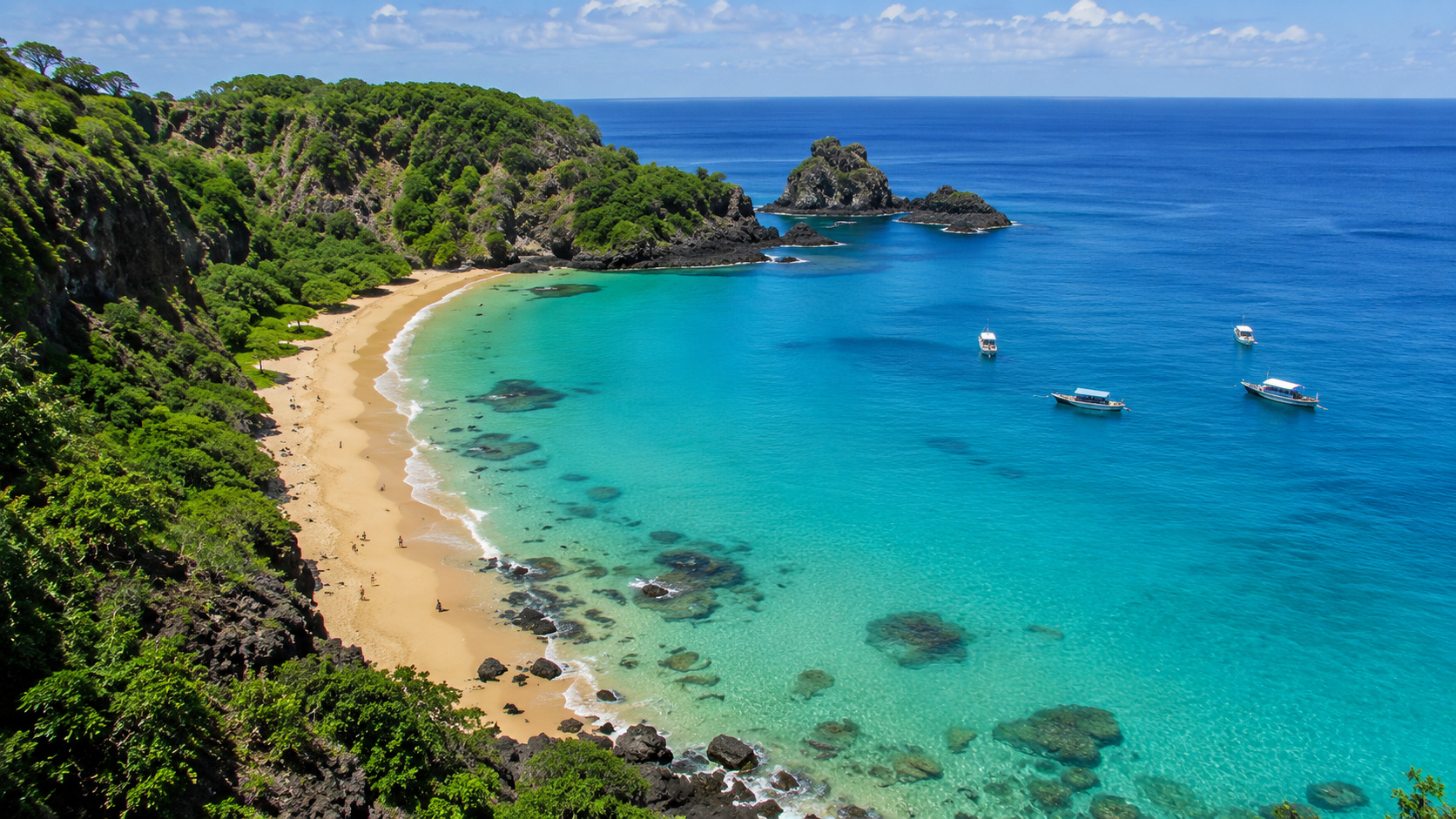
Brazil’s Fernando de Noronha Boasts World’s Most Beautiful Beach, Accessible Only by Descending 208 Cliffside Steps and With No Food Vendors Allowed

-
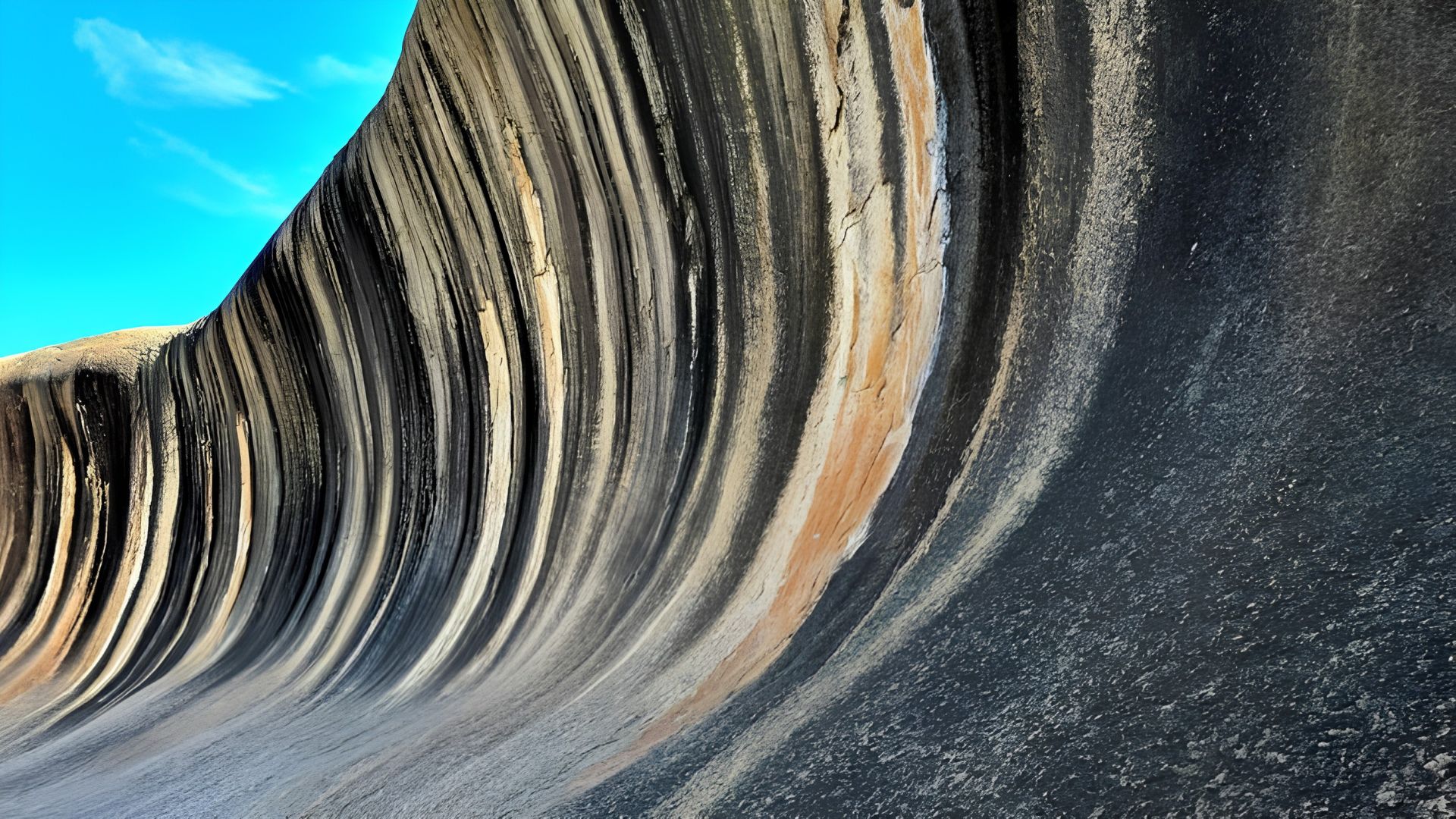
Wave Rock: Australia’s Giant Granite Wave Stands 15 Meters Tall, Spans 110 Meters, and Showcases 2.7 Billion Years of Erosion in the Australian Desert
-
How to Unclog Showerhead Holes Blocked by Limescale and Hard Water Without Replacing or Hiring a Technician


The house where he lives, known as Stone House, was built by him with stones taken from the forest itself. Simple, sturdy, and functional, the construction reflects the way Maurício leads his own existence. Personal documents are kept in a basic manner, protected from the natural environment.
Even claiming to have been born in 1958, Maurício reports discrepancies in his official records. Still, his vitality stands out. Without urban comfort or technological support, he performs heavy daily tasks with tranquility and constancy.
Manual Labor Guarantees Daily Sustenance
The sustenance comes from cultivating cassava and selling fruits, mainly bananas and jackfruit. The boxes are carried on his back during long walks along the trail. Despite the weight, Maurício claims that the effort does not tire him. For him, the rhythm is natural.
There is no other source of income. The land belonged to his mother and is now connected to his siblings. Still, Maurício chose to stay there, maintaining a direct relationship with the soil and what it produces.
Human Relationships Exist, But Follow Their Own Criteria
Despite living away from the city, Maurício is not completely disconnected from the world. He keeps in touch with brothers and old friends, like Sérgio, a cultural producer and resident of Vargem Grande, who has known him since 1984. Outside of that, the most frequent interaction occurs with plants and animals, especially dogs and cats.
Maurício claims to have heard of Neymar and Gusttavo Lima, although he does not follow soccer or music. He prefers not to know about other people’s lives and avoids information that is not part of his daily routine.
Night In The Forest Represents Peace, Not Fear
When the day ends, Maurício prepares the firewood, supplies the oven, and organizes the space. Then, he watches the moon rise over the forest. According to him, the night brings calm and contemplation. For Maurício, those who fear darkness could not live this way.
His story stands out precisely because it contradicts urban and technological logic. Even surrounded by millions of people, Maurício shows that it is still possible to live in complete removal from the city, by choice.
To What Extent Does Living Away From Urban Coexistence Represent Renunciation And At What Point Does This Decision Begin To Signify Freedom?