






 Portuguese
  Spanish



Huawei Advances in Solar Energy in Brazil, Becoming a Leader in the Supply of Solar Inverters, Equipment That Receives Energy from the Panels.
Owning 30% of the solar energy market in Brazil, the company is now preparing to launch electric batteries that can be associated with photovoltaic generation systems, according to Huawei Brazil’s Director of Digital Energy Business, Quanling Wang.
Read Also
- Construction of the 1st Large-Scale Solar Power Plant in Brazil Will Be Carried Out in Partnership with Huawei and the Rio Alto Renewable Energies Group
- Huawei, Mobile Phone Manufacturer, Announces New Factory in São Paulo
- More than 109 Solar Energy Equipment Have Import Tax Eliminated by the Government
- Petrobras and WEG Sign Contract: Hundreds of Motors, Turbogenerators, and Inverters
At the moment the Chinese company Huawei is advancing in Brazil with investments in solar energy and batteries, President Jair Bolsonaro indicates that he may impose restrictions on the country’s 5G technology auction planned for 2021 amidst pressure from the United States (US) to ban Huawei from the competition, a possibility that has the sympathy of some government sectors.
Brazil – US and China
The US President, Donald Trump, has stated that Huawei’s technology for the next generation of 5G networks could be used for espionage in the West.
-
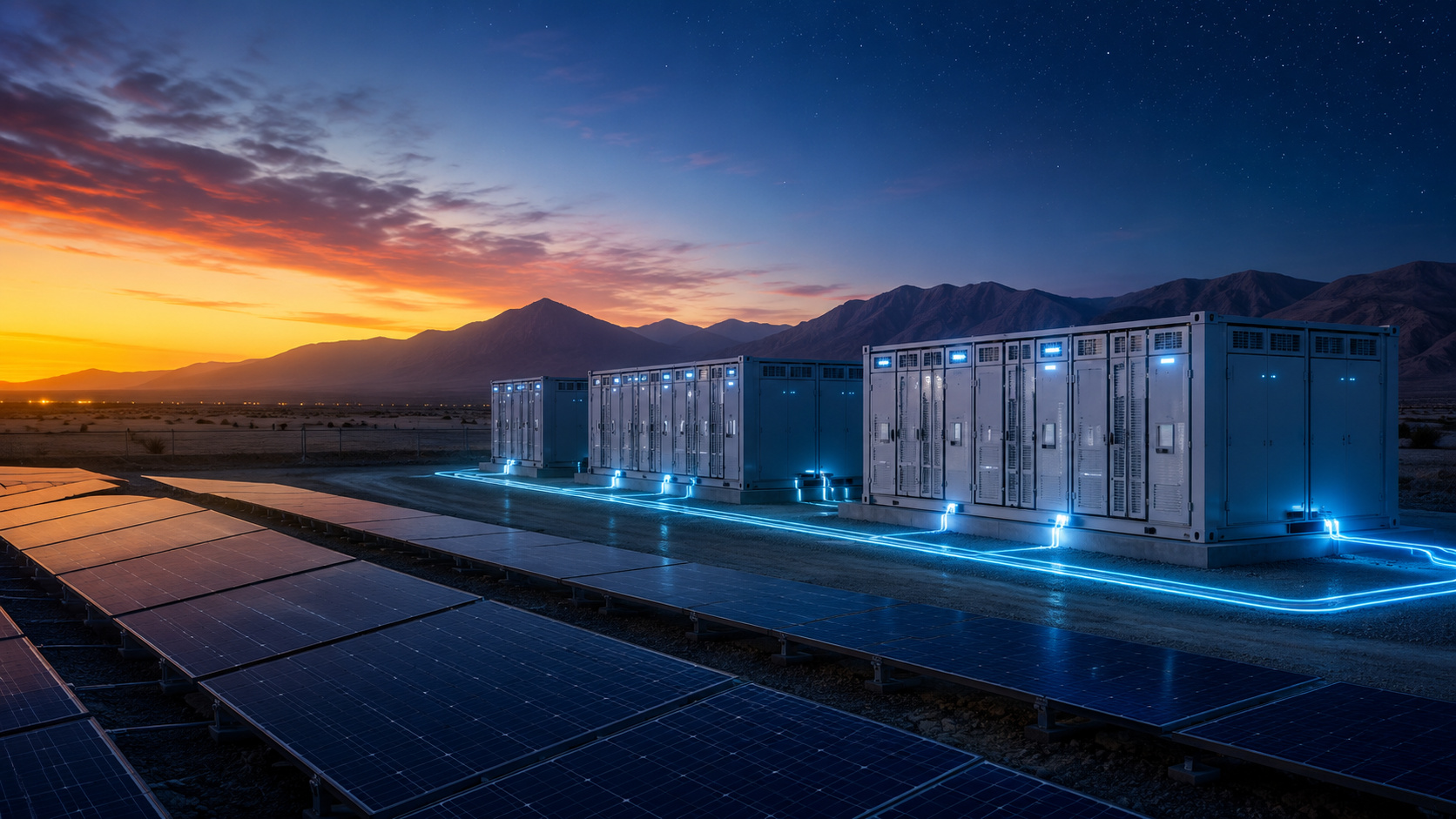
Giant Batteries Take Center Stage in Chile Auction as Company Offers 960 GWh of Solar Energy for Nighttime Use, Aiming to Stabilize Solar Power Supply

-
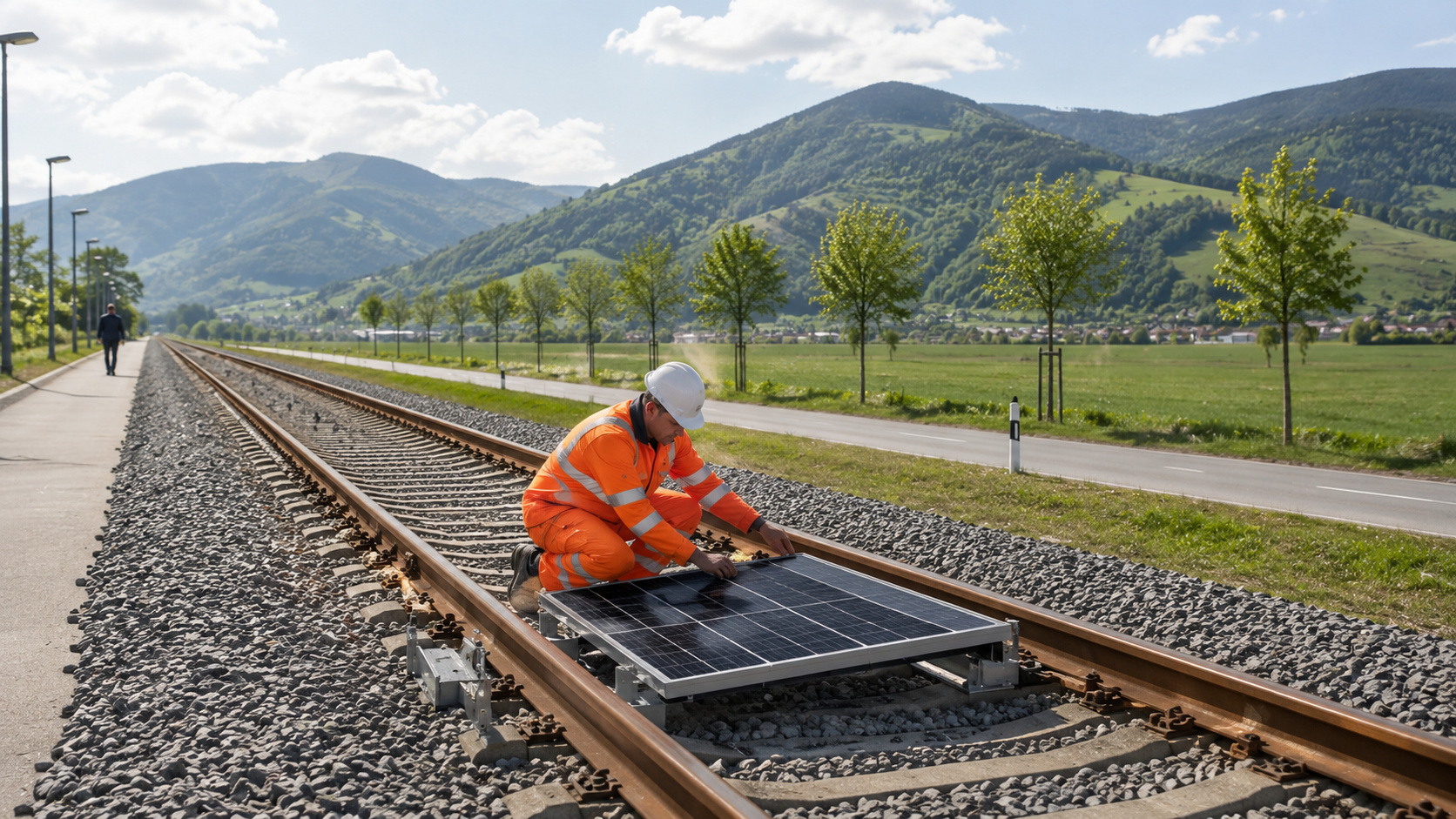
After a Year of Success in Switzerland, Solar Railway Attracts Italy’s Interest for Clean Energy Transformation
-
Robots Clean Solar Panels in Desert Power Plants Without Water, Preventing Energy Losses
-
Brazil’s Offshore Wind Energy Potential Worth $1 Trillion Stalled by Long-Delayed Agreement



China and the company vehemently reject the accusations. When asked how the controversy over 5G could impact businesses, including in solar energy, Huawei Brazil’s Director of Digital Energy Business, Quanling Wang, stated that Huawei “does not comment on politics” and is focused on its activities.
The Chinese Company Has Been Operating in Brazil Since 2016 in Solar Energy Projects and Is Interested in Batteries
“This sector is still very small compared to the total market; if we talk about the energy matrix, the solar part represents less than 2%. So we believe that the solar industry really has a very bright future in Brazil.
And besides that, Brazil has a very good resource compared to any country in the world, in terms of sun, irradiation,” said Huawei Brazil’s Director of Digital Energy Business, Quanling Wang.
“Huawei started its solar business in Brazil at the end of 2016 and has already become a market leader in just over three years,” she added, commenting that solar power plants in operation or under construction with Huawei solar inverters amount to about 2 gigawatts in capacity. The combined use of solar energy and batteries can enable uninterrupted energy supply.







