






 Portuguese
  Spanish


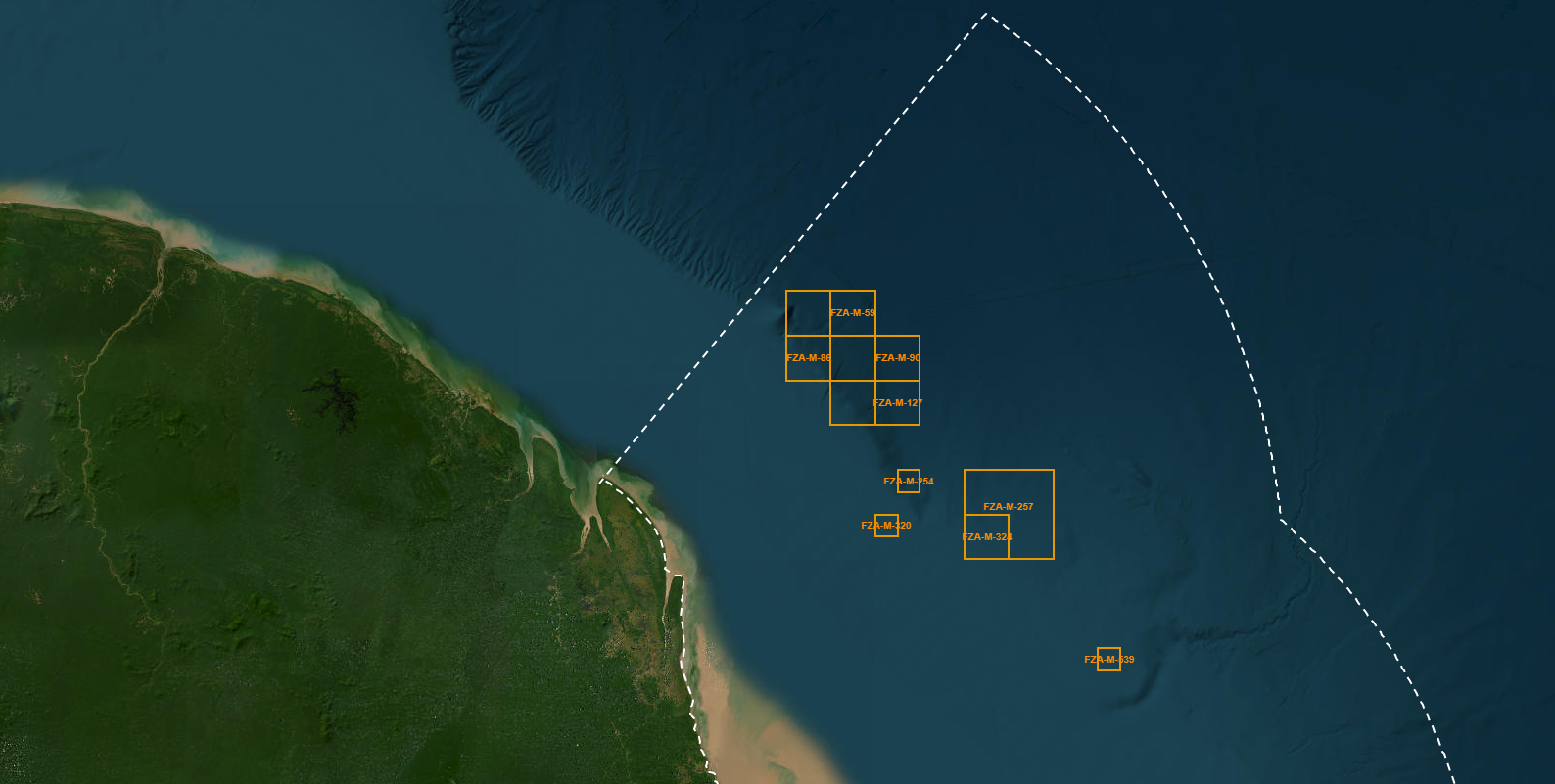
Petrobras Was Aiming to Drill an Oil Well in the Mouth of the Amazon Basin. After Technical Analyses, Ibama Denied the Necessary Exploration License.
The current president of the Brazilian Institute of Environment (IBAMA), Rodrigo Agostinho, announced last Wednesday (05/17) the denial of the request from Petrobras for an exploration license in the Mouth of the Amazon. The region located in Amapá is considered high-risk by several specialists, as well as the agency’s technicians, who suggested denial of the licensing to the state-owned company. According to Ibama, the oil company’s plan did not guarantee an environmental commitment against potential oil spills.
After Inconsistencies in Petrobras’ Exploration Plan, Ibama Denies Environmental Licensing for the Mouth of the Amazon
Ibama denied a license to the state-owned Petrobras to explore oil in the Amazon estuary.
The decision was made after an analysis by Ibama’s technical area, which found that the company’s plan does not provide guarantees for the protection of wildlife in the event of an oil spill.
-
Oil production grows in Rio, but reserve replacement raises a warning sign

-
Petrobras is expected to complete the drilling of the Morpho well in the Foz do Amazonas in August 2026, the first well in the Equatorial Margin, an oil frontier that the ANP estimates at more than 30 billion barrels and could redraw the map of Brazil.

-
Oil returns to the center of concerns with tension between the US and Iran

-
IEA reduces forecast for global oil demand in 2026 after impacts of the Middle East crisis



Discussions related to the company’s presence in the Equatorial Margin region had been heated in recent days.
Recently, Environment Minister Marina Silva agreed with the opinion of Ibama’s technicians, reinforcing the need for new environmental analyses for the company’s exploration campaign.
Ibama also found that Petrobras did not adequately explain the impacts of its activities on three Indigenous lands in the Oiapoque region.
The decision to deny the license is a victory for environmental groups, which have been campaigning against the project for months.
They argue that oil exploration in the Amazon estuary would pose a serious threat to the unique biodiversity of the region and the Indigenous communities.
Ibama President Reinforces That Petrobras Had Opportunities to Reverse the Denial of the Exploration License
The denial of the license is a significant setback for Petrobras’ plans to expand its oil exploration in the Amazon region.
The company has been seeking to develop new oil fields in the area to meet the growing demand for oil in Brazil.
However, the company has faced strong opposition from environmental groups and Indigenous communities.
Regarding the Ibama exploration license for the oil company, the president of the agency emphasized that there were ample opportunities for concerns to be addressed.
“There is no doubt that all opportunities were offered to Petrobras to address critical points of its project, but it still presents concerning inconsistencies for safe operation in a new exploration frontier with high socio-environmental vulnerability,” he stated.
Ibama’s decision serves as a reminder of the importance of protecting the Amazon rainforest. The tropical forest houses a vast range of biodiversity and plays a significant role in regulating the global climate.
Now, Petrobras will continue discussions with Ibama on possible alternatives to keep its oil exploration plan in the Mouth of the Amazon ongoing in the coming years.
About the Mouth of the Amazon
The Mouth of the Amazon is the location where the Amazon River, the largest river in terms of water volume in the world, meets the Atlantic Ocean, forming an estuary of great ecological importance.
The region of the mouth of the Amazon has also attracted economic interest, especially regarding the energy resources present in the area. Petrobras, the largest oil company in Brazil, is one of the organizations that have shown interest in exploring oil and natural gas in the region.
However, the company continues to face challenges in securing the necessary environmental licenses for exploration.










Be the first to react!