Portuguese
  Spanish


The Fact That Brazil Is The Cattle Country Is Consolidated With 238.2 Million Cattle, But IBGE Also Points To Records In Eggs And Milk, According To Data Analyzed By CNN.
The Brazil Is The Cattle Country, and this is now an official statistical confirmation. Data from the 2024 Municipal Livestock Survey (PPM), released by IBGE (Brazilian Institute of Geography and Statistics) and reported by CNN, reveal that the cattle herd reached 238.2 million head. This number surpasses the human population of the country, estimated at 213.4 million inhabitants, by an impressive 11.6%.
Although the image of cattle is central to the national economy, the IBGE survey shows that the strength of agriculture goes far beyond. The animal production sector recorded a total value of R$ 121.1 billion in 2024, an increase of 8.2% compared to the previous year. Historical records were not limited to cattle, extending to the production of eggs, milk, and honey, consolidating Brazil as a global powerhouse in protein generation.
The Dimension Of The Cattle Herd
The 2024 PPM, analyzed by CNN, details that the absolute difference is 24.8 million animals more than people. Although the number of 238.2 million head represents a slight decrease of 0.2% compared to the previous year, 2024 still marked the second largest herd in the historical series, trailing only the record set in 2023.
-
Brazilian Farmer Invents Low-Cost Tractor Using Motorcycle Parts, Efficiently Working 2 Acres on 1 Liter of Diesel

-
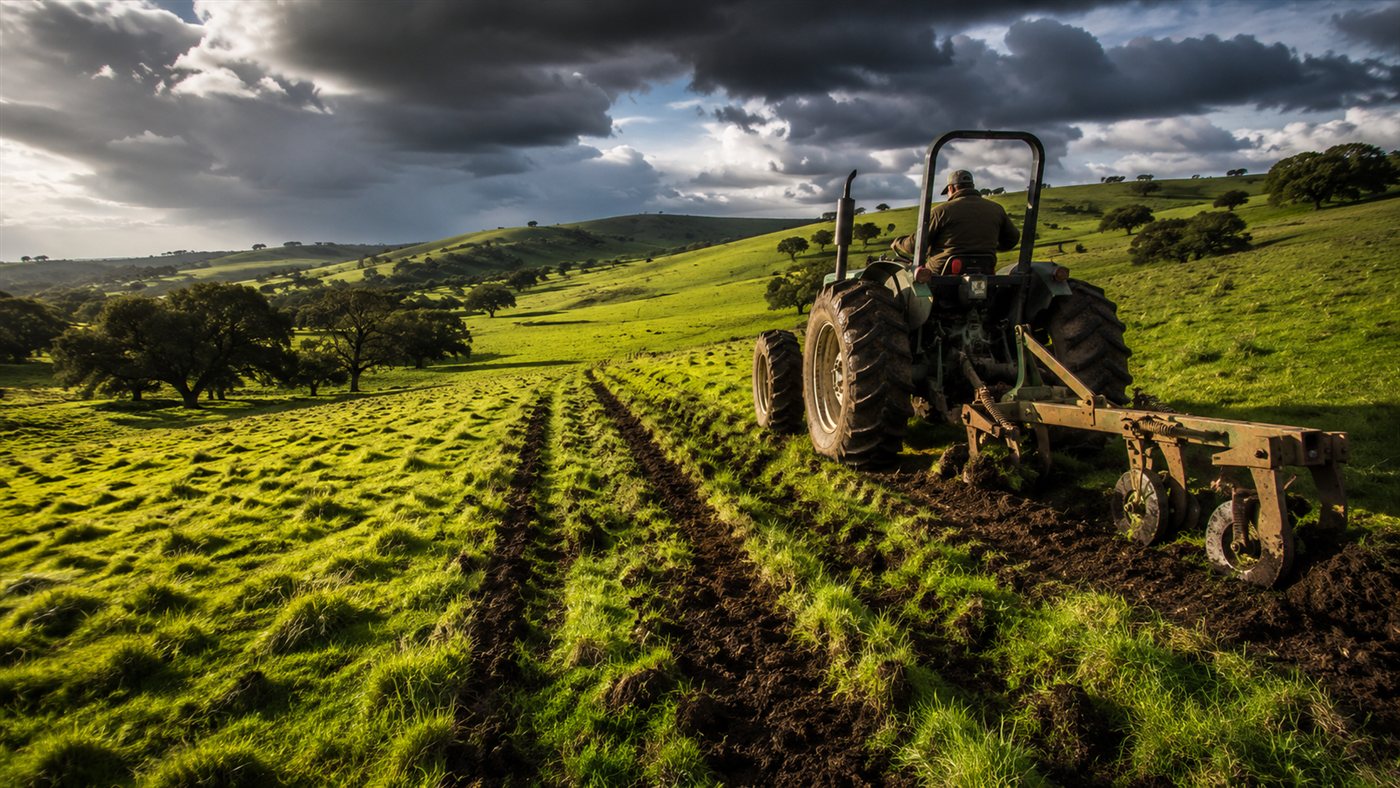
Regenerative Farmers Use Keyline Plow to Improve Pasture Hydration, Storing 1 Gallon of Water Every 30 Centimeters

-
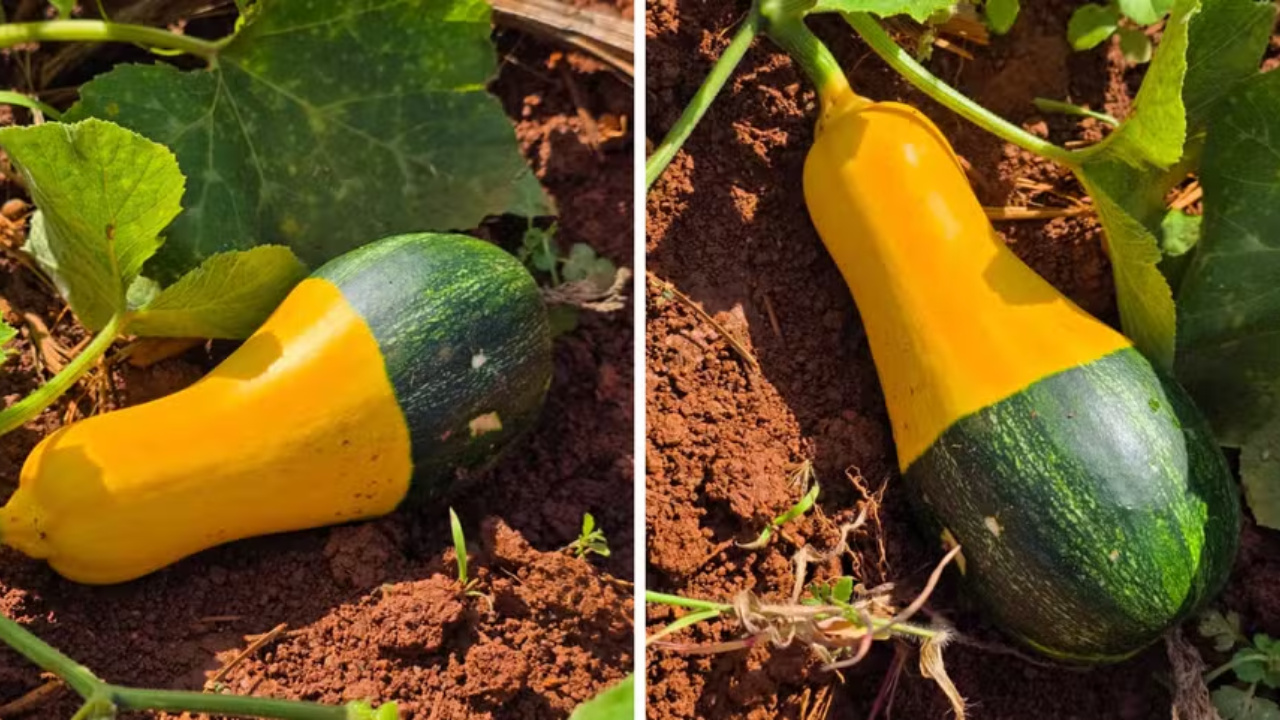
Bicolor Pumpkin Resembling Hand-Painted Art Discovered by Brazilian Researchers in the Capital Due to “Spontaneous Mutation”

-
In China, a 26-story building produces 1.2 million pigs annually, revolutionizing livestock farming with tube feeding and AI surveillance.


This maintenance of a high level demonstrates the resilience and magnitude of livestock farming in the country. The fact that Brazil is the cattle country is not just a figure of speech but an economic pillar that moves billions and defines land use in vast regions of the national territory, directly influencing the trade balance and GDP.
The Domination Of Birds: Production At Historical Highs
If the cattle herd is larger than the population, the poultry population is exponentially greater. IBGE recorded 1.6 billion poultry in total, of which 277.5 million are laying hens — a number that also surpasses the number of inhabitants. Egg production, as highlighted by CNN, was the big highlight of the year, breaking an absolute record since the beginning of the historical series in 1999.
There were 5.4 billion dozens produced, or 64.8 billion units, representing a 8.6% increase over 2023. In practical terms, this equates to an average of over 300 eggs per inhabitant for the year, evidencing a consumption and production capacity that continually surpass each other. The municipality of Santa Maria de Jetibá (ES) was identified by IBGE as the national leader in this segment.
The Paradox Of Milk: More Production, Fewer Cows
Milk production also reached its highest historical volume in 2024, totaling 35.7 billion liters. This volume generated a financial movement of R$ 87.5 billion, another record number for the sector. The most surprising data, however, is the paradox revealed by IBGE: this record was achieved with the fewest number of cows milked since 1979.
This statistic, according to CNN’s analysis of the data, points directly to a significant leap in productivity and technology in the sector. Genetic management, improved animal nutrition, and efficient property management have allowed the sector to produce more with fewer animals, optimizing resources and increasing the profitability of the national dairy chain.
The Advance Of Aquaculture And Honey
The strength of Brazilian animal production is not restricted to land. Aquaculture (fish farming) grew 10.3% in 2024, totaling 724.9 thousand tons. The tilapia remains the star of the sector, accounting for almost 70% of this total. At the same time, farmed shrimp production reached 146.8 thousand tons, according to IBGE.
Even beekeeping recorded unprecedented numbers. Honey production hit a record with 67.3 million kilograms, with strong prominence from the Northeast region (39.4% of the total). States like Paraná and Piauí stood out as the largest national producers, showcasing the diversification of an industry that proves, year after year, why Brazil is the cattle country and home to so many other essential proteins.
In light of so many records and the confirmation that there are more cattle than people in the country, the economic impact is undeniable, but discussions about land use and productive efficiency are also intensifying.
Do you agree with this change? Do you think it impacts the market where you live? Leave your opinion in the comments, we want to hear from those who live this in practice.