






 Portuguese
  Spanish


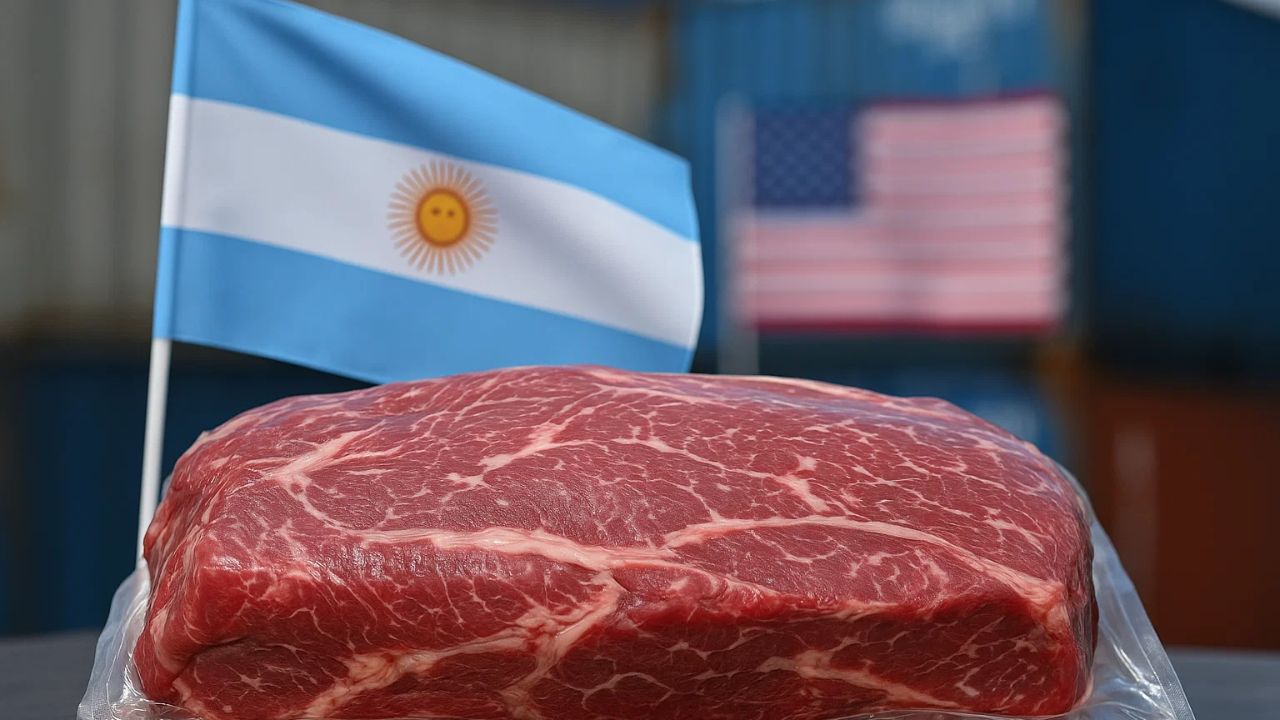

The U.S. Plan to Import Beef from Argentina Provoked Strong Reaction from American Ranchers. Understand What’s at Stake, Who’s Involved, and Why This Measure Generates So Much Tension in the Sector.
President Donald Trump announced that the United States (U.S.) could import beef from Argentina in an effort to reduce high domestic prices. The proposal reached representatives from the American Livestock sector, who reacted with criticism and concern.
The idea, according to the government, aims to help American consumers as well as strengthen the alliance with Argentina.
However, ranchers argue that the measure could threaten domestic production and create instability in the market.
-
Brazilian Startup Turns Coffee Grounds into Plant-Based Leather, Cutting Water Use by Over 50 Times for High-Impact Sustainable Fashion

-
Eco Invest Auction Aims to Unlock $10 Billion in Investments, Focusing on Green Fertilizers, Critical Minerals, Batteries, and AI for Clean Industry in Brazil

-
Half of Brazilians Prefer Lower Taxes with Private Health and Education, While 44% Opt for Higher Taxes for State-Provided Services, Datafolha Survey Reveals

-
Brazil’s Most Expensive Toll Rises to R$ 40.60 on Route from São Paulo to the Coast, Nearly Matching Bus Fare to Santos




What the Import Plan from Argentina Proposes
Trump stated that purchasing Argentine beef “would bring meat prices down” in the U.S.
The strategy includes additional imports from Argentina to combat inflation in the beef sector.
The purchase would be a new piece in a framework built amid trade and political tensions between the countries.
The main party affected is the American ranchers and feedlots, who have been operating with positive margins after difficult years.
Meanwhile, Argentine producers see the opening of the U.S. market as an export opportunity.
However, for many U.S. farmers — who were hoping for policies to stimulate domestic production — the measure seems contradictory.
“This plan only creates chaos at a critical time for North American ranchers, while doing nothing to lower supermarket prices,” said the National Cattlemen’s Beef Association.
Why Is the U.S. Government Adopting This Strategy?
The main reason cited is the containment of food inflation, especially with beef prices at elevated levels — driven by drought, reduced herds, and lower imports from Mexico.
Furthermore, there is a diplomatic context: Argentina is seen as an ally, and the importation of beef is linked to a financial aid package that the U.S. granted to that country.
How Ranchers and Experts Evaluate the Impact
Many producers in the U.S. view the plan as a threat to the sector’s recovery.
“If you raise cattle thinking about margins, more uncertainty means less investment,” declared sector economist Glynn Tonsor.
Experts assert, however, that imports from Argentina represent only about 2% of total beef imported by the U.S. — which makes a significant reduction in domestic prices unlikely with this measure.
Consequences and Possible Directions of the Initiative
On one hand, the plan poses real risks for American producers, who fear a drop in domestic prices or loss of competitiveness.
On the other hand, Argentina may gain market share, but also risks raising local prices or losing competitive advantages.
Still, the U.S. confirmed its commitment to supporting domestic livestock while exploring this import opening.
The situation is still evolving, and the sector is waiting to see how the government will proceed with the proposal and what compensation measures will be offered to domestic ranchers.
In summary, the proposal to import beef from Argentina represents a clash between politics, economics, and agribusiness.
While the government claims to seek relief for the American consumer, domestic producers see a risk to their own survival in the meat supply chain in the United States.
The balance between supply, price, and diplomacy will be contested in the coming months — and the agricultural sector will certainly remain attentive.
Source: g1









Great article! I really appreciate the clear insights you shared – it shows true expertise. As someone working in this field, I see the importance of strong web presence every day. That’s exactly what I do at https://webdesignfreelancerhamburg.de/ where I help businesses in Hamburg with modern, conversion-focused web design. Thanks for the valuable content!