Portuguese
  Spanish


Resettlement in São Bernardo transforms former risk area into permanent housing for families who were waiting for a regular address, with apartments delivered in Alves Dias and new projects planned to serve residents removed from Estrada Eiji Kikuti after years in precarious conditions.
The São Bernardo do Campo City Hall and the Government of São Paulo delivered, on Wednesday (01), 296 apartments to families who had lived for more than two decades in precarious conditions in the former warehouse of Estrada Eiji Kikuti, in the Cooperativa region.
Built in the Cores Housing Complex, in the Alves Dias neighborhood, the new homes were made possible through a partnership between the municipality and CDHU, within the housing policy aimed at resettling families removed from risk areas.
After the court-ordered departure in 2024, the delivery marked the first stage of definitive assistance to residents who left the space and began receiving rent assistance funded by the City Hall and the State until the completion of the units.
-
Tourist Discovers Forgotten Joaquín Sorolla Painting Worth Up to 60,000 Euros While Strolling in Seville

-
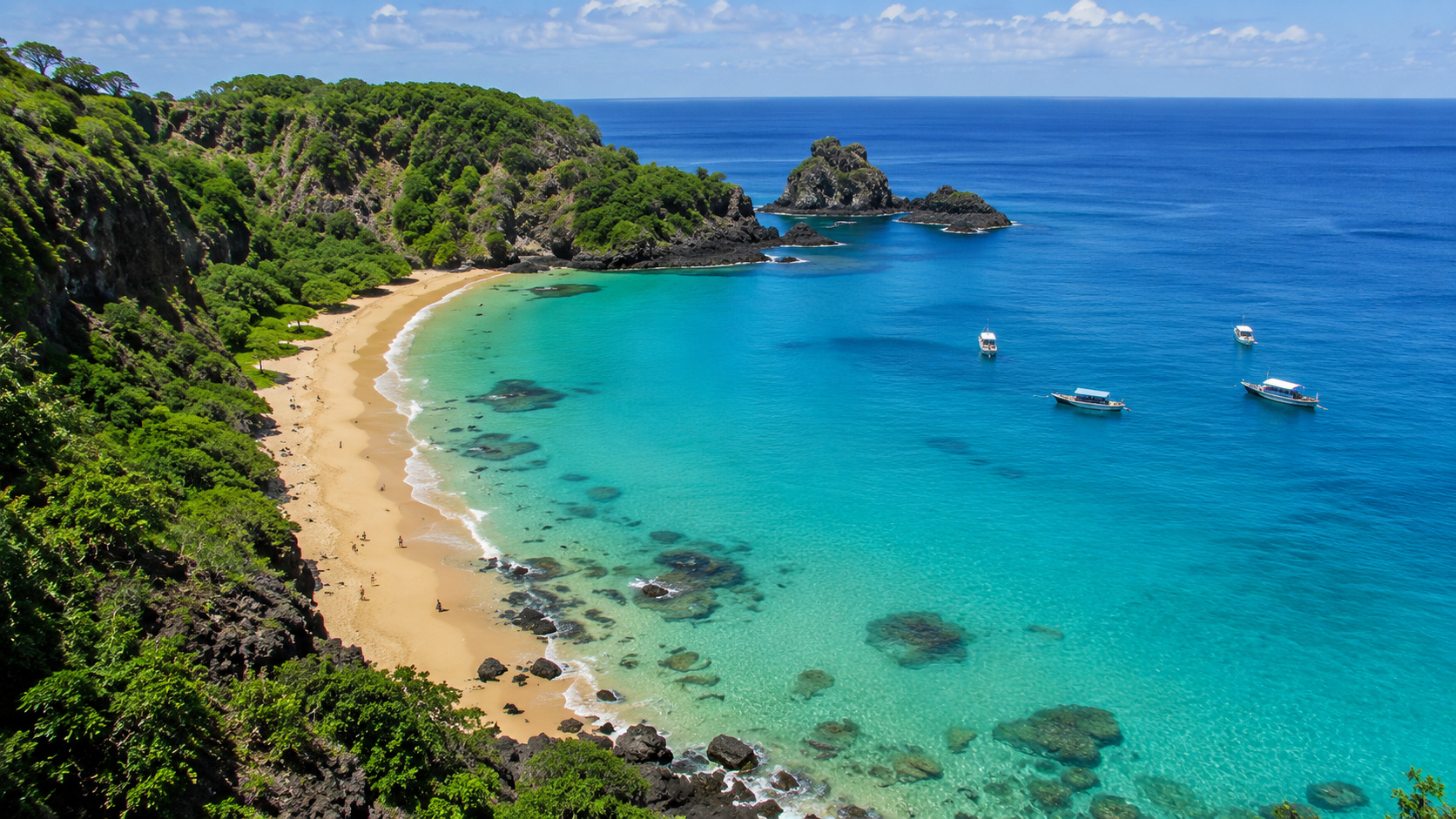
Brazil’s Fernando de Noronha Boasts World’s Most Beautiful Beach, Accessible Only by Descending 208 Cliffside Steps and With No Food Vendors Allowed

-
Wave Rock: Australia’s Giant Granite Wave Stands 15 Meters Tall, Spans 110 Meters, and Showcases 2.7 Billion Years of Erosion in the Australian Desert
-
How to Unclog Showerhead Holes Blocked by Limescale and Hard Water Without Replacing or Hiring a Technician



Apartments delivered in Alves Dias
In Alves Dias, the development consists of two buildings with 21 floors each and received a total investment of R$ 62.9 million, with R$ 10.9 million corresponding to the municipal counterpart, according to a regional publication credited to the São Bernardo City Hall.
With two bedrooms, living room, kitchen, bathroom, service area, and terrace, the apartments are part of a condominium that also includes a sports court, party room, barbecue area, playground, gardens, social areas, and a solar energy capture system.
During the key delivery ceremony, Mayor Marcelo Lima stated that the date would be memorable for the families served and highlighted the symbolism of the change for those who lived in the Eiji Kikuti warehouses.
“This is a day to be forever remembered,” said the mayor, referring to the residents who lived in the Eiji Kikuti warehouses.
Also present at the event, Governor Tarcísio de Freitas participated in the delivery amid the continuation of the resettlement plan for the community removed from the risk area, which still plans new housing units for families without definitive assistance.
History of the occupation in Eiji Kikuti
On Eiji Kikuti Road, the occupation began in 2003 and gained momentum from 2013, according to information released about the site’s history, where homes were built without adequate infrastructure and in an environment considered unhealthy.
Without safe living conditions, the old warehouse posed risks of fire, flooding, and sanitation problems, in an area that has belonged to the State Government since 2005, following a fiscal execution process.
With the eviction ordered by the court in 2024, about 600 families left the area and were included in a temporary support program while awaiting the completion of the housing projects planned for the group.
In July 2024, the Department of Urban Development and Housing reported that CDHU would serve more than 600 families removed from the area known as Galpão, through the Casa Paulista Program, in the Associative Credit Letter modality.
On the same occasion, the state government indicated a planned investment of R$ 121.9 million for the projects intended for the removed families, within a resettlement strategy aimed at risk areas in São Bernardo do Campo.
Housing assistance by CDHU
Through the Associative Credit Letter modality, CDHU buys units directly from developers and then finances the properties with social conditions, in a model aimed at families with an income of up to five minimum wages.
Preferably, this assistance covers residents from risk areas or already included in housing assistance, reducing the interval between the removal from a vulnerable area and the definitive move to a regularized property.
During the construction period, beneficiary families are exempt from charges and start paying the first installment only after receiving the keys, according to the rules released by the state department responsible for housing policy.
In the resettlement of the Eiji Kikuti community, the delivery of the Cores Housing Complex represents the first part of the definitive assistance, while a second project should still increase the number of benefited families.
Called Eiji Kikuti, the next complex is expected to gather 381 housing units and is scheduled for delivery by the first half of 2027, according to information released during the housing delivery in Alves Dias.
Restart after years in precarious housing
Among the families included is Alexandra Lopes, 46, who reported having come alone from Paraíba in search of better living conditions before buying a shack in the old warehouse.
According to Alexandra, before arriving at the precarious property, she lived on the streets for two years and worked as a cleaner, until she saved enough money to buy a home within the occupation.
Recalling her old address, the resident mentioned the smell of sewage and flooding on rainy days, a scenario that contrasts with the move to a regularized apartment with condominium structure.
After receiving the keys, Alexandra stated that she would begin “a new story” in a safe place with her own address, ending a cycle marked by housing instability and precarious living conditions.
In January 2025, the City Hall informed that it was discussing with the State the delivery of about 2,000 housing units, including the Cores São Bernardo Condominium and other developments in different regions of the municipality.
Old warehouse may host TEA Center
During the key handover, Governor Tarcísio de Freitas announced the intention to use the area of the old warehouses for a new facility aimed at social inclusion, presented as the TEA Center.
According to the governor, the space could be allocated for the care of atypical families, in a proposal announced alongside Mayor Marcelo Lima, still without public details on the project, timeline, investment, and operating model.
Until these details are released, the initiative remains an announcement of intent by the state government for the vacated area, while the resettlement of displaced families continues with new housing units planned in São Bernardo.
After more than 20 years of waiting, the key handover in Alves Dias changes the address of hundreds of families; what should be the next housing priority for those still awaiting permanent housing in São Bernardo?