





 Portuguese
  English
  Spanish
  3 min of reading
  0 comments



Scientists Found A Solution To Recover Battery Capacity, Increasing Their Lifespan. See How This Innovation Promises To Change The Electronics Market, Bringing More Efficiency And Sustainability!
Researchers face a persistent obstacle in the search for high-capacity batteries: the gradual loss of performance, caused by the isolation of active materials in the electrodes, which reduces charge efficiency.
In a new approach, scientists have developed a technique to substantially recover these isolated materials in silicon electrodes. This recovery process is sustained over multiple pulses, providing a durable and continuous capacity recovery.
The recent discovery by researchers from Stanford University opens new possibilities for rechargeable batteries. This advancement, published in the journal Science, indicates a way to partially reverse capacity loss, especially for silicon batteries, which are widely used in electronic devices and electric vehicles.
-
800-year-old skeletons found embracing have their impressive story revealed after DNA results

-
Christmas trees thrown away become a natural barrier in Alabama, where teams repurpose thousands of pines on the beaches of Gulf Shores to trap sand, rebuild dunes, and protect houses against storms and hurricanes for almost four decades.

-
Cane fences become a natural wall in Catalonia, where researchers and residents use sand traps on the beaches to capture sediments, rebuild dunes, and protect cities after Sant Pere Pescador lost 50 meters of coastline in 50 years.
-
Archaeologists open a 2,300-year-old tomb near the Great Wall of Qin and find a bronze bottle with preserved ancient beer.





The Problem Of Rechargeable Batteries
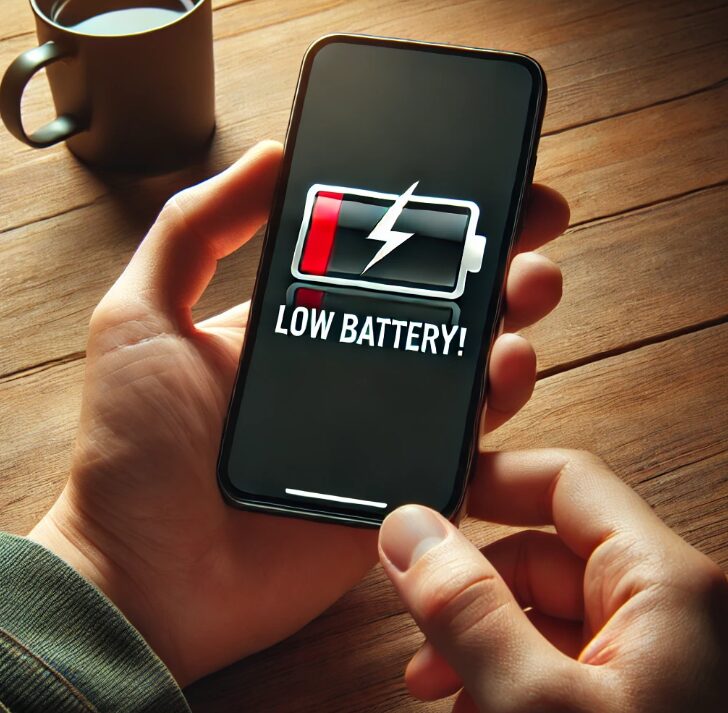
Rechargeable batteries are an essential part of devices such as smartphones, laptops, and electric cars, providing convenience and reducing environmental impact compared to disposable batteries.
However, the inevitable wear over time, resulting in capacity loss, is a problem known to any user.
Even with recommended practices, such as keeping the charge between 30% and 70%, batteries eventually lose efficiency. At some point, they become so worn out that they need to be replaced.
The New Discovery: Restoring Capacity
The study reveals that the use of controlled current pulses can restore up to 30% of the capacity of silicon batteries, a promising alternative to lithium-ion batteries.
The process is simple and involves applying current pulses for about five minutes, ensuring they do not exceed 4 volts, as higher values could actually reduce the battery’s capacity.
These pulses promote the reconnection of worn-out silicon particles, which over time fragment, limiting their capacity for charging.
The discovery represents a revolution in extending battery life, but it is important to mention that the study is still in the testing phase.
The Danger Of Used Batteries
The improper disposal of used batteries poses a serious risk to the environment. These devices contain heavy metals, such as lead, cadmium, mercury, and nickel, which are highly toxic and can seep into the soil and water, contaminating entire ecosystems.
When disposed of in regular landfills, batteries release these materials over time, affecting not only wildlife and soil but also sources of drinking water. The pollution generated by these heavy metals is difficult to remove and can cause long-term damage to flora and fauna, resulting in irreversible consequences in natural environments.
Furthermore, the improper disposal of batteries contributes to the increase in electronic waste, one of the biggest environmental concerns today. These wastes, often sent to countries with inadequate management systems, create serious public health problems for populations exposed to these materials.
Direct or indirect contact with toxic substances present in batteries can lead to respiratory diseases, neurological problems, and even cancer. Therefore, recycling and proper disposal of batteries are essential to reduce environmental impact and protect both nature and human health.
In the future, a technology that allows for the complete restoration of battery capacity would pave the way for a more sustainable model, in which users would not need to replace batteries as often.
This would not only save resources but also reduce the volume of electronic waste, one of the main environmental challenges today. However, further studies are needed to understand the long-term effects of this technique.







Be the first to react!