






 Portuguese
  Spanish


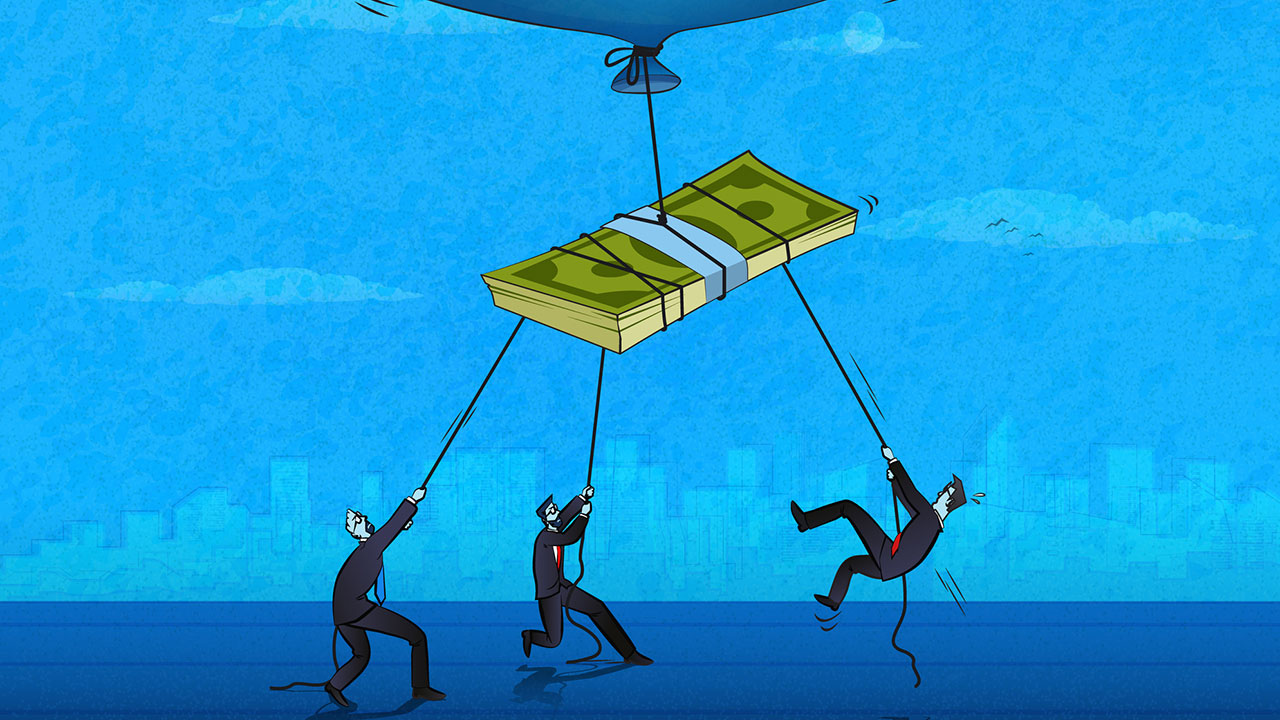

Economists Project That Inflation in Brazil Will Exceed 6% by the End of 2023, Marking the Third Consecutive Year That the Country Exceeds the Target Set by the National Monetary Council (CMN).
The Broad Consumer Price Index (IPCA), which is considered the official inflation rate in the country, showed a deceleration in April compared to March, but the expectation is that inflation will rise again in the second half of the year.
One of the main factors for this forecast is the comparison base for the accumulated over 12 months, as last year, the months of July, August, and September presented deflation due to the exemptions on essential items during the election campaign. As a result, the tax reduction on important inflation items will begin to be excluded from the calculation, leading to an increase in the inflation index over 12 months.
The Price of Gasoline Is One of the Main Contributors to the Increase in Inflation, Based on the Group of Administered Prices.
Increases in the prices of items such as medication, out-of-home food, clothing, and even lottery tickets are also expected. The increase in inflation can be detrimental to the economy, as it brings uncertainty about when it will be possible to lower the country’s basic interest rate, the Selic. The higher the prices, the greater the chances that the Monetary Policy Committee (Copom) will keep the basic rate at elevated levels in their upcoming meetings.
-
Brazil’s 2026 Tax Refund: Record 9.58 Million Filers in Largest Payout Ever, But a Key Detail on Priority Recipients Draws Nationwide Attention

-
Itaú Alters Hybrid Work Model, Increasing Office Days from 2028, Prompting Employees to Adjust to New Routine
-
Facing Labor Shortage, Japan Plans to Invest $34 Million to Attract Foreign Workers in Construction, Healthcare, Industry, and Commerce

-
Brazilian City Makes Remarkable Leap, Becomes 4th Wealthiest in the Country with GDP of R$ 134.1 Billion




The combination of factors, such as the standardization of the Tax on Circulation of Goods and Services (ICMS) on June 1, the appreciation of the real against the dollar, and the pricing policy practiced by Petrobras, directly influence the rise in gasoline prices. Experts project that gasoline prices may rise by more than 10% in some cities across the country, impacting the official inflation by 0.05 percentage points for every 1% increase.
This Increase in Gasoline Prices Has the Most Weight on Official Inflation, Compromising Almost 5% of Family Budgets.
The rise in gasoline prices is one of the reasons why inflation in the services sector, which represents 30% of the family budget, is more than double the inflation target set by the CMN for 2023. Additionally, the rise in prices of clothing and other services associated with the resumption of activities, such as out-of-home dining, is expected to continue affecting suppressed prices.
Inflation affects the economy in several ways, and the central mission of the Central Bank of Brazil is to combat it. The Selic is currently at 13.75% per year, and its increase is seen as a way to control inflation. Meanwhile, President Lula is pressuring the Central Bank to lower the basic interest rate, which is criticized for raising the cost of credit and discouraging investments.
High Inflation Can Also Be Detrimental to Family Budgets, Affecting Items Such as Medication, Out-of-Home Food, Clothing, and Lotteries, Compromising a Significant Portion of Household Budgets.
Unfortunately, it is likely that inflation will remain a concern for the Brazilian economy until the end of 2023. According to expert analyses, it is likely that inflation will exceed 6%, maintaining a rising trend that has already lasted for three consecutive years. This is partly due to a series of factors, including rising fuel and food prices, as well as the economic instability caused by the COVID-19 pandemic.
This situation may have consequences for the Brazilian population, as inflation tends to directly impact consumers’ purchasing power. With rising prices, many people may struggle to pay daily expenses and maintain an adequate standard of living.
It is important to remember that inflation is a complex issue, dependent on various internal and external factors. Therefore, expert analysis may not materialize exactly as predicted. Nevertheless, it is always essential to stay updated on market trends and seek ways to balance the household budget.







