Portuguese
  Spanish



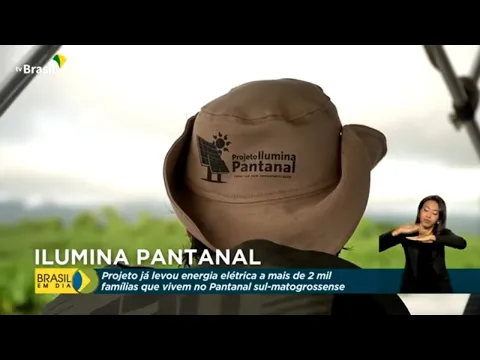
Ilumina Pantanal Receives Award for Bringing Clean Energy and Transforming the Lives of Families in Pantanal, Promoting Sustainability and Social Inclusion with Innovative Solutions.
The Ilumina Pantanal program receives an award for its significant contribution to the expansion of clean energy in Mato Grosso do Sul, establishing itself as a national reference in sustainability and social inclusion practices.
Moreover, Energisa, in partnership with the State Government and the Federal Government, developed the project to transform isolated communities, preserving the environment and promoting social development.
Historically, electrification in Brazil has always been linked to economic development and, consequently, to the integration of the country’s most remote regions.
-
Brazilian scientists are simultaneously advancing two research projects on clean hydrogen and driving solutions that could transform the energy matrix, enhance industrial competitiveness, and accelerate large-scale emission reduction targets.

-
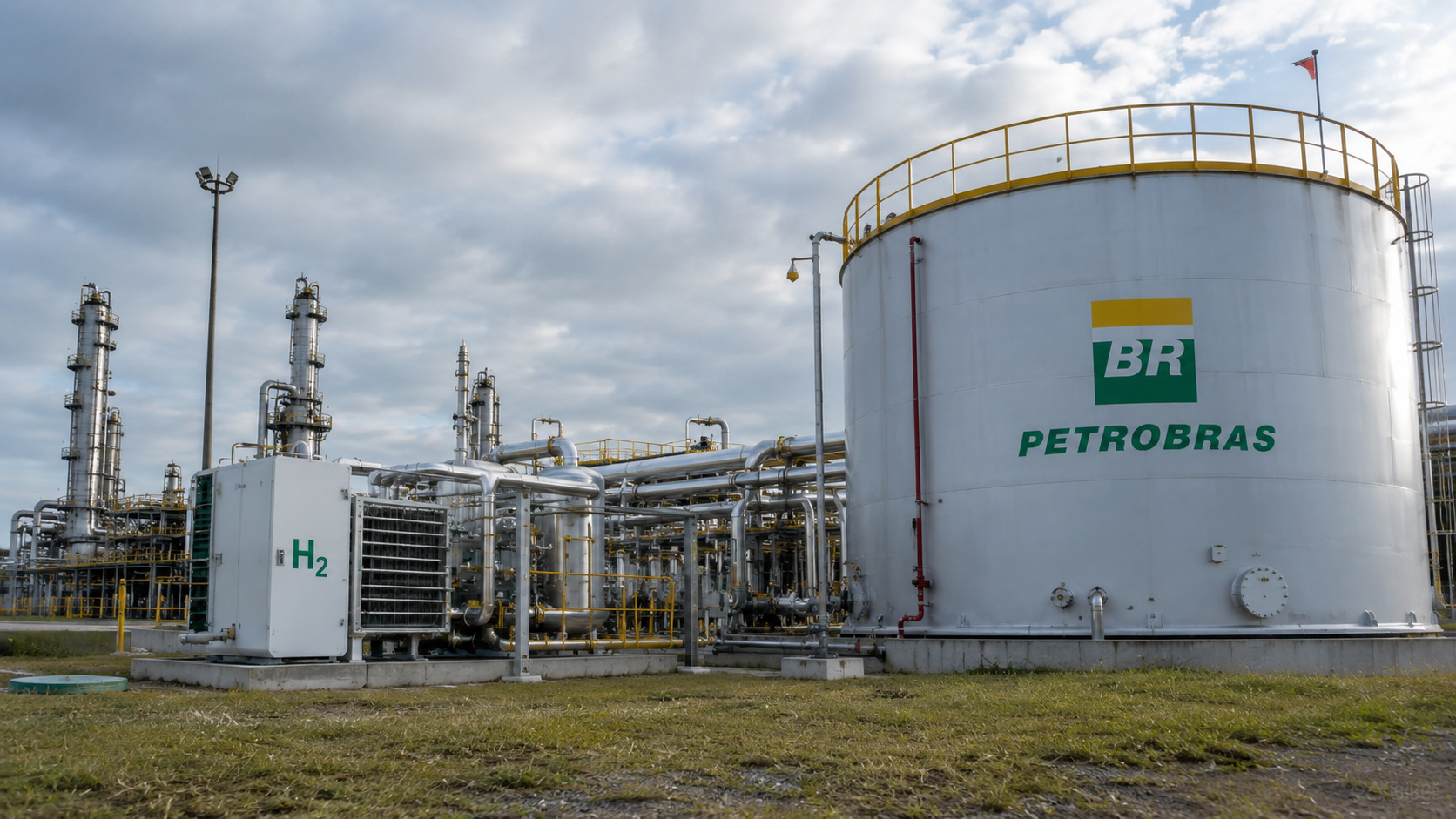
Advancement in renewable energy: A R$ 150 million project launched by Petrobras and Finep aims to create state-of-the-art electrolyzers for green hydrogen, strengthening national research and preparing Brazil to compete in a billion-dollar energy market.
-
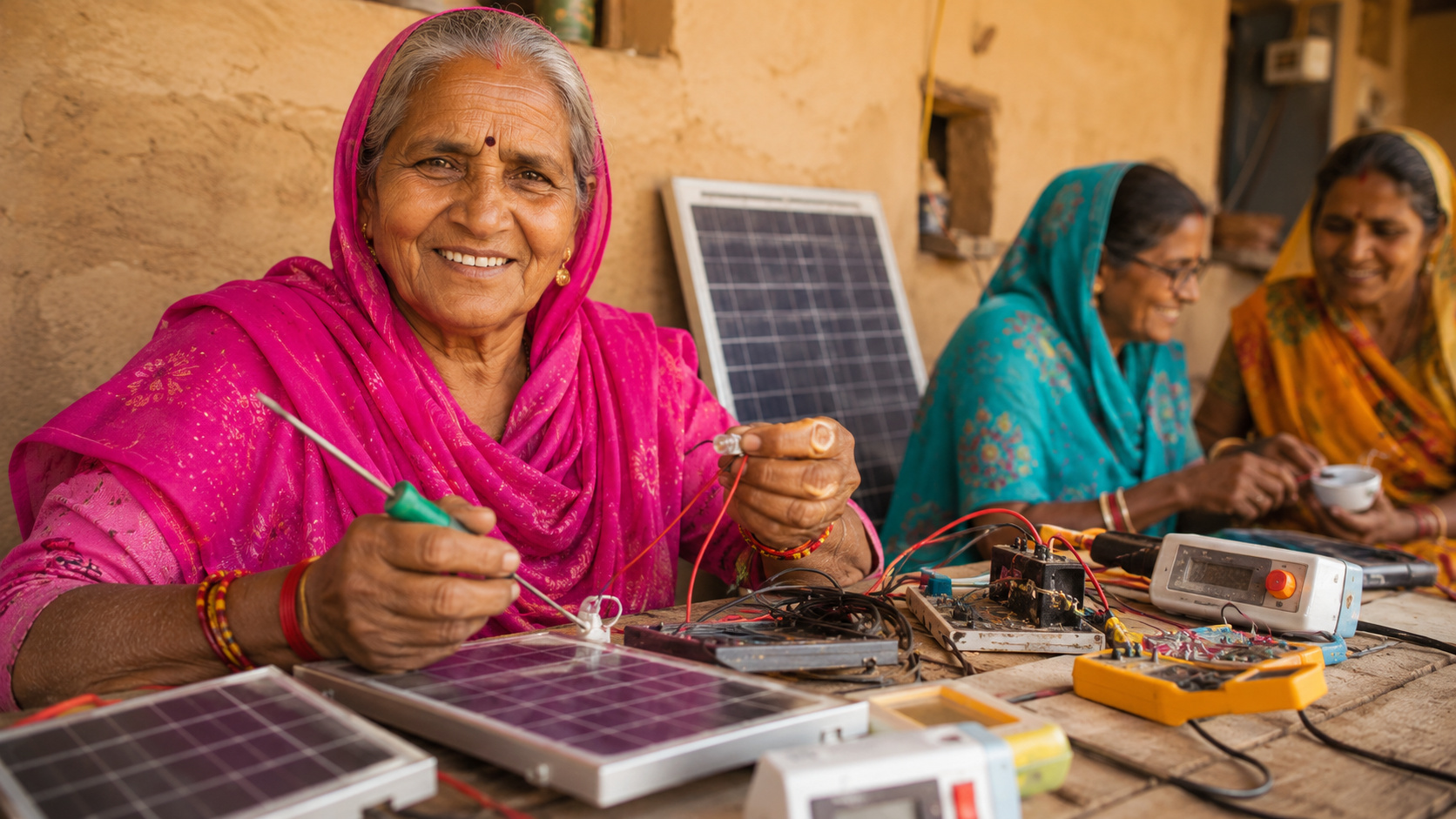
Illiterate or semi-literate grandmothers were trained to repair solar systems, open rural workshops, and light up homes that still depended on kerosene.
-
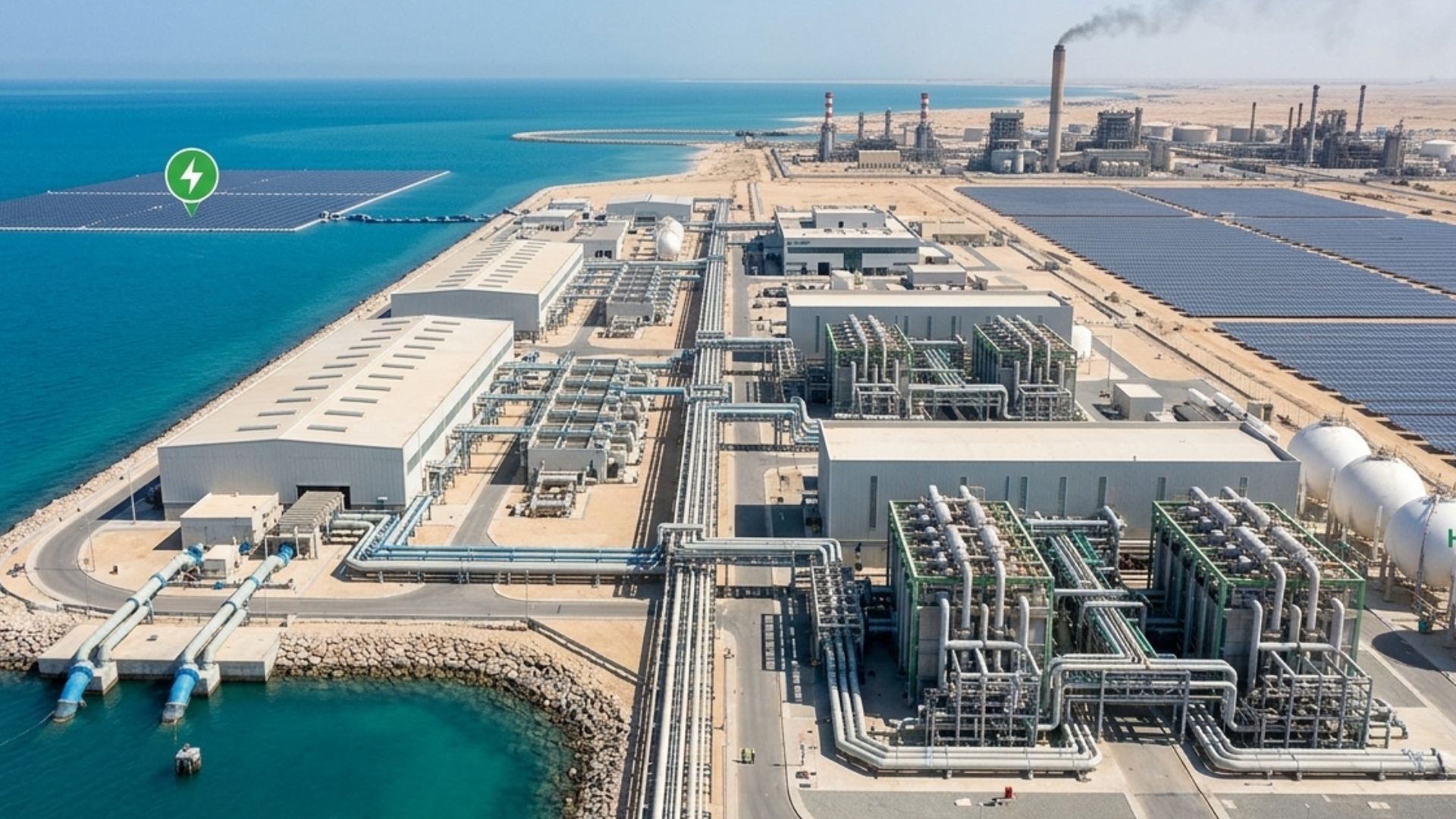
The world has bet on green hydrogen as the fuel of the future, but now faces the side effect: producing 1 kilogram requires about 9 liters of ultrapure water, and the largest projects on the planet are precisely in the driest regions of the Earth, where water is already scarce for people.


Since the early rural electrification programs in the 20th century, the country has sought solutions that combine energy efficiency and sustainability. Therefore, Ilumina Pantanal emerges as a contemporary milestone, offering not only electricity but also opportunities for education, health, and quality of life for families far from urban centers.
The program officially started in 2021 with the goal of bringing electricity from renewable sources to isolated communities in the southern Pantanal.
With over 2,900 families benefited, the initiative significantly improved the quality of life for thousands of people, many of whom relied on poor lighting, wood stoves, and limited resources for daily activities.
Additionally, six schools became part of the project, benefiting around 300 children with more comfortable and safer environments for studying.
Furthermore, Ilumina Pantanal stimulated the local economy.
Thus, electricity allowed small commercial activities to thrive, generating new opportunities for jobs and income.
Artisans, farmers, and merchants began to work more safely and efficiently, boosting the self-esteem and engagement of the communities.
Therefore, electricity became a tool for social transformation, promoting citizenship and autonomy.
Clean Technology and Environmental Impact
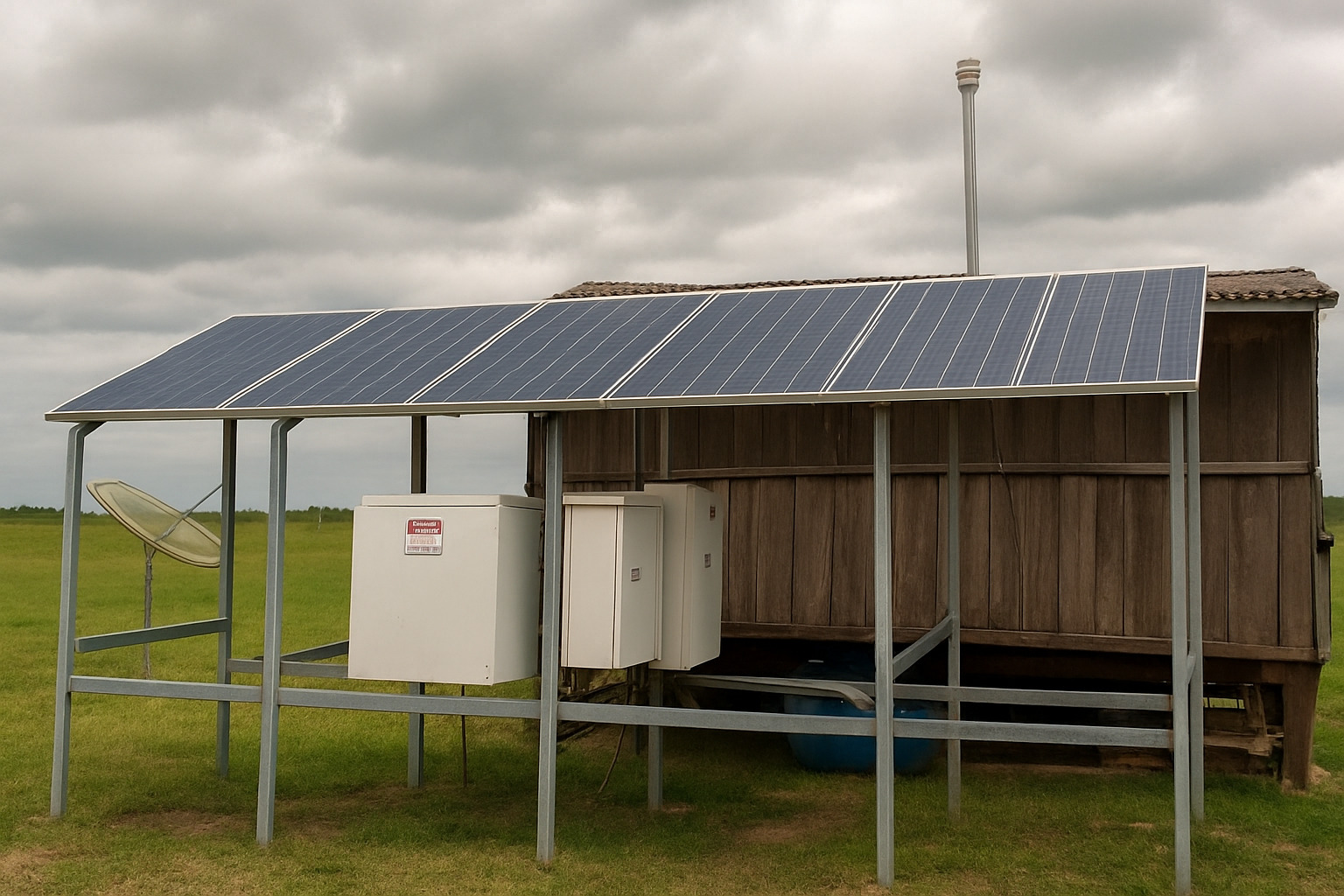
One of the main differentiators of the project lies in the use of photovoltaic panels and battery storage systems, which allow for continuous clean energy generation, even in areas far from the conventional electricity grid.
Thus, this technology ensures that electricity reaches homes reliably, preserving the pantanal biome and significantly reducing carbon emissions.
Additionally, it is estimated that the program avoids around 180 tons of CO₂ per year, reinforcing the importance of renewable energy projects in combating climate change.
Consequently, Energisa and its public partners invested R$ 210 million to transform the reality of isolated communities.
Moreover, the project was not limited to the installation of electricity generation systems.
The company also donated more than 650 refrigerators, ensuring better food preservation and encouraging healthier habits.
In addition, the program integrates the Energy Efficiency Program, consolidating a broad approach to life improvement and social-environmental responsibility.
Besides technology and donations, the project invested in training the local community.
Therefore, technicians and residents received training on the maintenance of photovoltaic systems, energy efficiency, and conscious use of electricity.
In this way, this learning allows the equipment to last longer and makes the community the protagonist of its own development, reinforcing the sustainable character of the initiative.
Furthermore, FGV Energia recognized the project’s relevance during the I Brazilian Congress on Mining and Energy in Brasília, awarding it as a national good practice.
Thus, the institution carefully analyzed various projects in the electricity sector, emphasizing that Ilumina Pantanal receives an award for excellence, innovation, and social impact.
Social and Educational Transformations
Thus, the CEO of Energisa Mato Grosso do Sul, Paulo Roberto dos Santos, highlights that the project unites technology, sustainability, and social responsibility.
Moreover, visiting the beneficiary communities clearly shows the impact of electricity on people’s lives.
Thus, schools with computer labs, fans, and suitable study environments illustrate how electrification goes beyond simple lighting.
It creates conditions for education, economic development, and social inclusion.
Additionally, the Secretary of State for Environment, Development, Science, Technology, and Innovation, Jaime Verruck, emphasized the importance of the project for the sustainable development of Mato Grosso do Sul.
He states that Ilumina Pantanal receives an award not only for technological innovation but also for exemplifying a successful public policy.
Thus, the initiative combines renewable energy and citizenship, showing that it is possible to bring dignity and quality of life to isolated populations without compromising environmental preservation.
Historically, the Pantanal has always posed logistical and environmental challenges.
Thus, its extensive flooding area and sensitive ecosystems made the implementation of conventional infrastructure projects difficult.
Ilumina Pantanal overcame these barriers by combining solar energy with efficient storage solutions, respecting the local fauna and flora.
Thus, this approach allows the region to benefit without compromising its natural wealth, becoming a model of sustainable development in isolated areas.
Economic Development and Citizenship
The project generated significant social impacts.
Consequently, with the arrival of electricity, local economic activities expanded.
Moreover, small businesses, handicrafts, and family farming gained new growth opportunities.
In addition, constant lighting and the electrification of schools improved education, creating safer and more conducive environments for learning.
In this way, Ilumina Pantanal receives an award also for creating a positive cycle, in which technology, education, and sustainability mutually reinforce each other.
Additionally, the initiative has become a reference for other regions in Brazil.
Thus, state governments and private companies observed the adopted model and consider applying it in isolated communities in the North and Northeast.
Therefore, the visibility confirms that Ilumina Pantanal receives an award not only for local results but for inspiring new public policies and investments in renewable energy.
The project reflects a global trend of valuing initiatives that combine renewable energies and social responsibility.
Moreover, the national recognition encourages companies and governments to invest in similar solutions, showing that it is possible to balance economic growth, environmental preservation, and social well-being.
In this way, the program becomes an example of how well-structured public policies generate lasting and positive impacts on society.
In addition to its environmental and social role, Ilumina Pantanal strengthens Brazil’s commitment to global sustainability goals.
By reducing CO₂ emissions, encouraging the use of clean energy, and promoting energy efficiency, the initiative contributes to national and international climate change mitigation objectives.
Consequently, the recognition from FGV Energia confirms that the project benefits local communities and represents a model practice for the energy sector.
A Reference Model in Renewable Energies
In summary, Ilumina Pantanal receives an award for transforming lives, preserving the environment, and promoting citizenship.
By uniting technology, public and private investment and a sustainable development vision, the project establishes a reference model for future renewable energy initiatives in Brazil.
Thus, it shows that even in remote and challenging regions, it is possible to bring progress, dignity, and sustainability harmoniously, ensuring lasting benefits for the population and the planet.