Portuguese
  Spanish


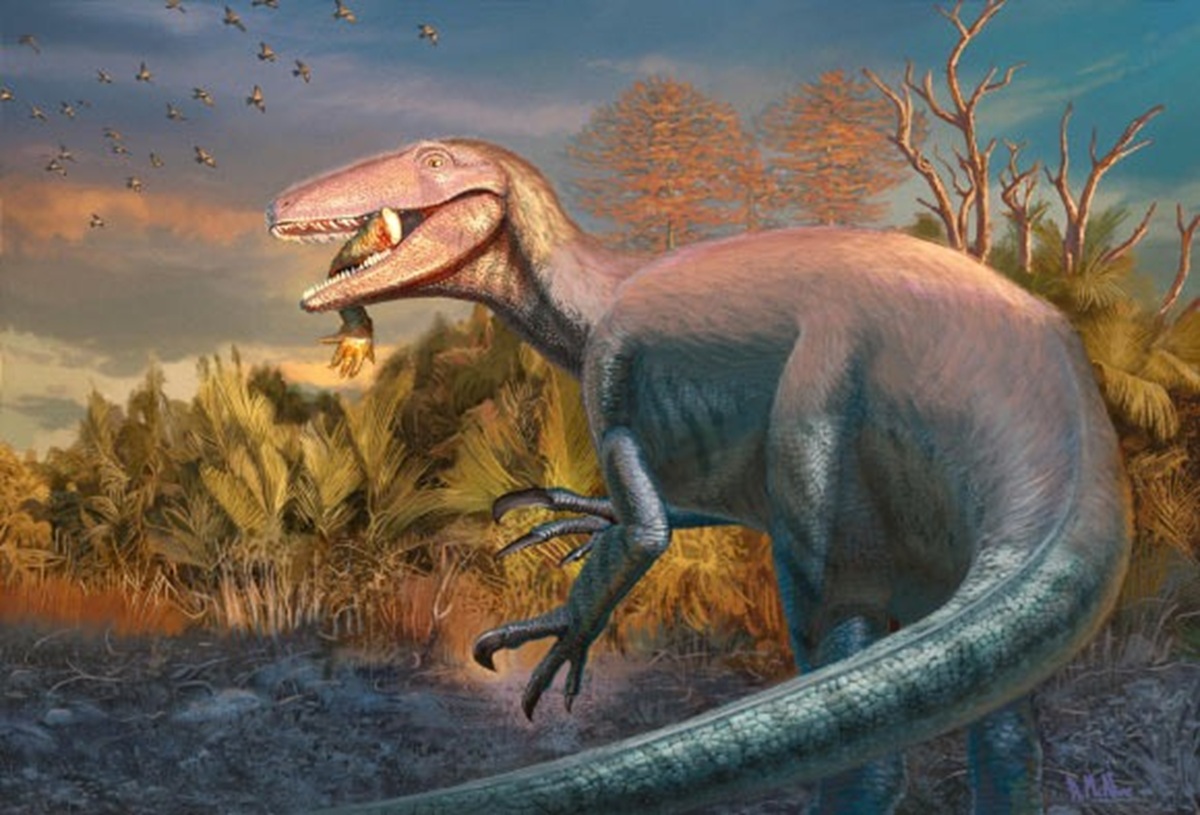


Fossil In Patagonia Reveals Joaquinraptor Casali, Predator Weighing Over 1,000 Kg That Lived Between 70 And 67 Million Years Ago
A group of paleontologists announced the discovery of a new species of carnivorous dinosaur that lived in the Patagonia region of Argentina during the last phase of the Cretaceous period, between 70 and 67 million years ago.
The animal was named Joaquinraptor casali and has become another important piece for understanding the large predators that dominated that environment.
A Predator From The Megaraptor Group
The Joaquinraptor casali belonged to the Megaraptora, a group of carnivorous theropod dinosaurs known for their large and powerful claws.
-
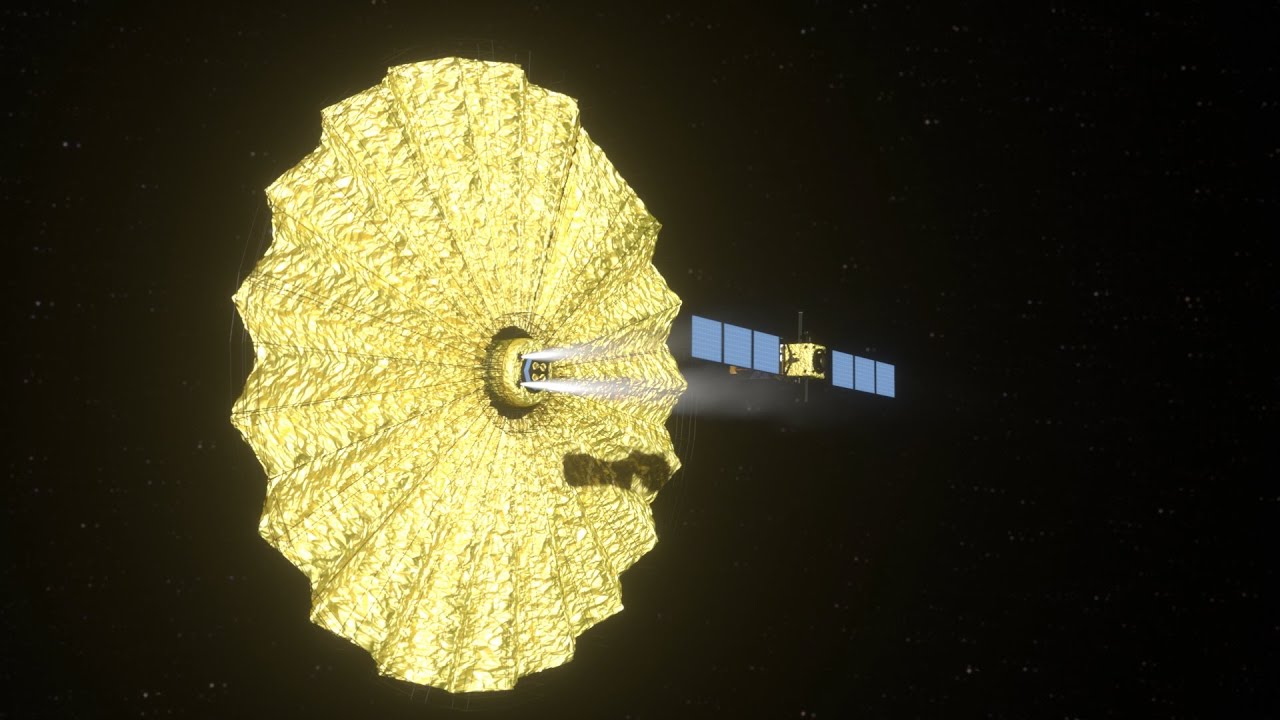
NASA’s Giant “Space Flower” to Unveil Earth-like Planets by Blocking Distant Stars’ Light

-
A 13-foot robot nicknamed Godzilla is assembling the world’s largest nuclear fusion reactor piece by piece.
-
Experts Warn: Aging NASA Launch Facilities Could Hinder Artemis Moon Mission Progress
-
Self-Driving Harvester Now Operating in Brazil’s Vast Farmlands


These animals have already been identified in fossils found in Asia, Australia, and primarily in South America.
According to paleontologist Lucio Ibiricu from the Patagonian Institute of Geology and Paleontology, these dinosaurs had elongated skulls and strong forelimbs, but there are still many questions about their biology due to the scarcity of complete fossils.
The discovery in Patagonia helps to fill part of this gap.
The skeleton of the Joaquinraptor casali was found in the Lago Colhué Huapi Formation in the province of Chubut and was well preserved. Among the recovered bones were a large part of the skull, forelimbs and hind limbs, as well as ribs and vertebrae.
Based on the bone microstructure, researchers concluded that the animal was an adult, but not yet fully developed.
Size, Weight, And Behavior
Based on comparisons with other megaraptors, scientists estimate that the Joaquinraptor casali could reach about 7 meters in length and weigh over 1,000 kilograms. The environment in which it lived was a warm and humid floodplain.
An interesting clue about its habits emerged along with the fossils: a fossilized crocodile bone was pressed against its lower jaw.
This evidence suggests that the dinosaur fed on large prey and could occupy the top of the food chain.
Despite this, researchers highlight that more analyses are needed to confirm its exact role in the ecosystem.
The Evolutionary Importance
The study also reinforces the idea that South American megaraptors reached larger sizes than their relatives in Australia, which averaged between 5 and 6 meters.
The Patagonian ones could have reached up to 9 meters in later species.
This increase in size may be linked to the extinction of other large predators, such as carcharodontosaurids, which opened space for megaraptors to become dominant.
Scientists believe that these animals survived until the Late Maastrichtian, the final stage of the Cretaceous period, before disappearing along with other non-avian dinosaurs in the mass extinction event.
The official description of Joaquinraptor casali was published in the journal Nature Communications, reinforcing the importance of Patagonia as one of the richest regions in the world for paleontology.
With each new discovery, understanding grows about how predators dominated prehistoric South America and how these animals evolved until their last days.