Portuguese
  Spanish


Flexible Material Allows Free Shaping and Expands Possibilities for Wearable Electronics, Sensors, and Device Design
Researchers at Linköping University in Sweden have developed a flexible and soft battery that can be shaped into any form. It has successfully powered a red LED, functioning both in its natural state and when twisted or stretched. The innovation may pave the way for new formats in portable and wearable electronics.
A Solution for the Future of Technology
Batteries are essential for various modern devices, such as mobile phones, pacemakers, laptops, and health sensors. However, the rigidity of traditional batteries prevents devices from shrinking even further. This limits the design and comfort of increasingly smaller devices.
With the advancement of technology, it is predicted that one trillion devices will be connected to the internet in the coming years. Many of them will be soft robots, smart clothing, and wearable devices.
-
In the US, researchers attached iPhones to a $25 grabber, turning 22 homes into a database to teach robots to open drawers and handle objects like humans.

-
IBM Breaks 1-Nanometer Barrier with 0.7 nm Chip Featuring Nearly 100 Billion Transistors and 3D Architecture, Promising AI Revolution

-
Apple Raises MacBook and iPad Prices as Memory Costs Surge by Up to 98%, Losing Edge Over Rivals and Highlighting AI Boom’s Impact on Consumers
-
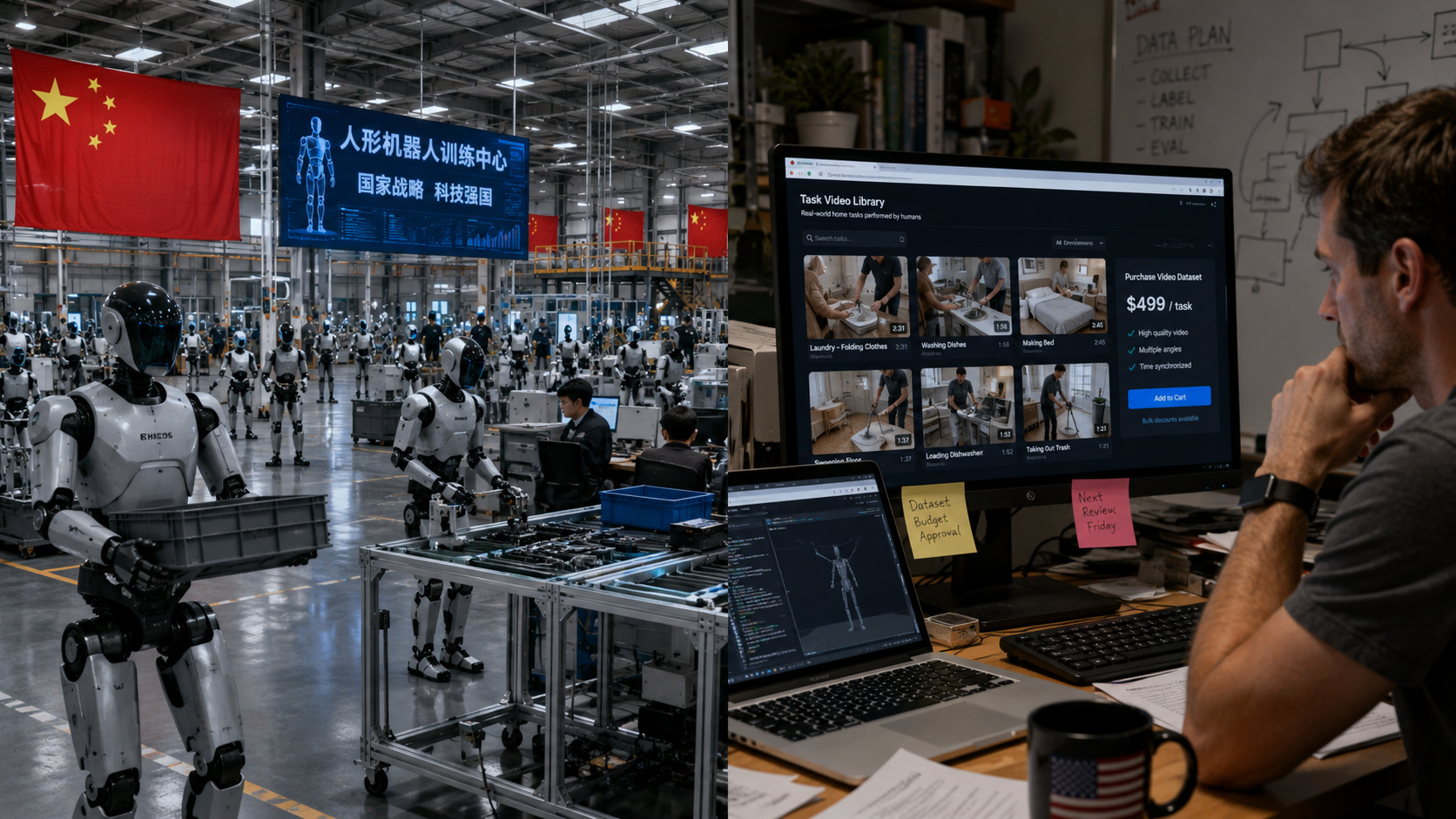
China Establishes State Centers to Train Humanoid Robots, While the West Lags Behind with Makeshift Solutions


For this to work well, these technologies need to operate without disrupting users’ daily lives. Therefore, flexible batteries that can mold into different shapes may be crucial.
Battery with Liquid Electrodes
The Swedish innovation utilizes liquid electrodes instead of solids. This allows the battery to have a more fluid and adaptable structure. Aiman Rahmanuddin, an assistant professor at the university, explained that “batteries are the largest component of all electronics. Today, they are solid and quite bulky. But with a soft and adaptable battery, there are no design limitations. It can be integrated into electronics in a completely different way and adapted to the user.”
Previous attempts to create this type of battery used liquid metals like gallium, which served as the anode. However, this material posed the risk of solidifying during use, making its practical application difficult.
Use of Sustainable Materials
To overcome these challenges, researchers at the university’s Organic Electronics Laboratory used conjugated polymers and lignin. Lignin is a byproduct of the paper industry, making the material more sustainable.
Rahmanuddin explained that polymers like PEDOT and PACA were synthesized in the lab, focusing on avoiding scarce or hazardous metals.
According to Mohsen Mohammadi, a postdoctoral researcher who also participated in the project, the use of lignin contributes to a more circular production model. “By repurposing a byproduct like lignin into a high-value commodity, such as a battery material, we contribute to a more circular model. Thus, it is a sustainable alternative,” he stated.
The texture of the battery was described as resembling that of toothpaste. This means it can be molded with 3D printers to take on any necessary shape. Flexibility is one of the major advantages of the project.
Durability and Performance of the Flexible Battery
Tests showed that the flexible battery was charged and discharged 500 times without loss of performance. Additionally, it was stretched to twice its size and continued functioning normally. This durability is important for applications in wearable devices that require longevity and adaptation to the human body.
Despite the positive results, the battery still has a significant limitation: its current voltage is only 0.9 volts. To make it more useful in various applications, researchers are now working on ways to increase this voltage.
Next Steps in the Research
The team is exploring the addition of new components to improve the performance of the battery. One option is the use of metals such as zinc or manganese.
According to Rahmanuddin, these metals are abundant in the Earth’s crust and can operate in non-toxic aqueous electrolytes, making them suitable for wearable electronics.
The development of the new battery is ongoing, but early results indicate that it could represent a significant change in how we use and design electronic devices.
The combination of flexibility, durability, and sustainable materials highlights the potential of the flexible battery for different sectors.
With information from Interesting Engineering.