Portuguese
  Spanish


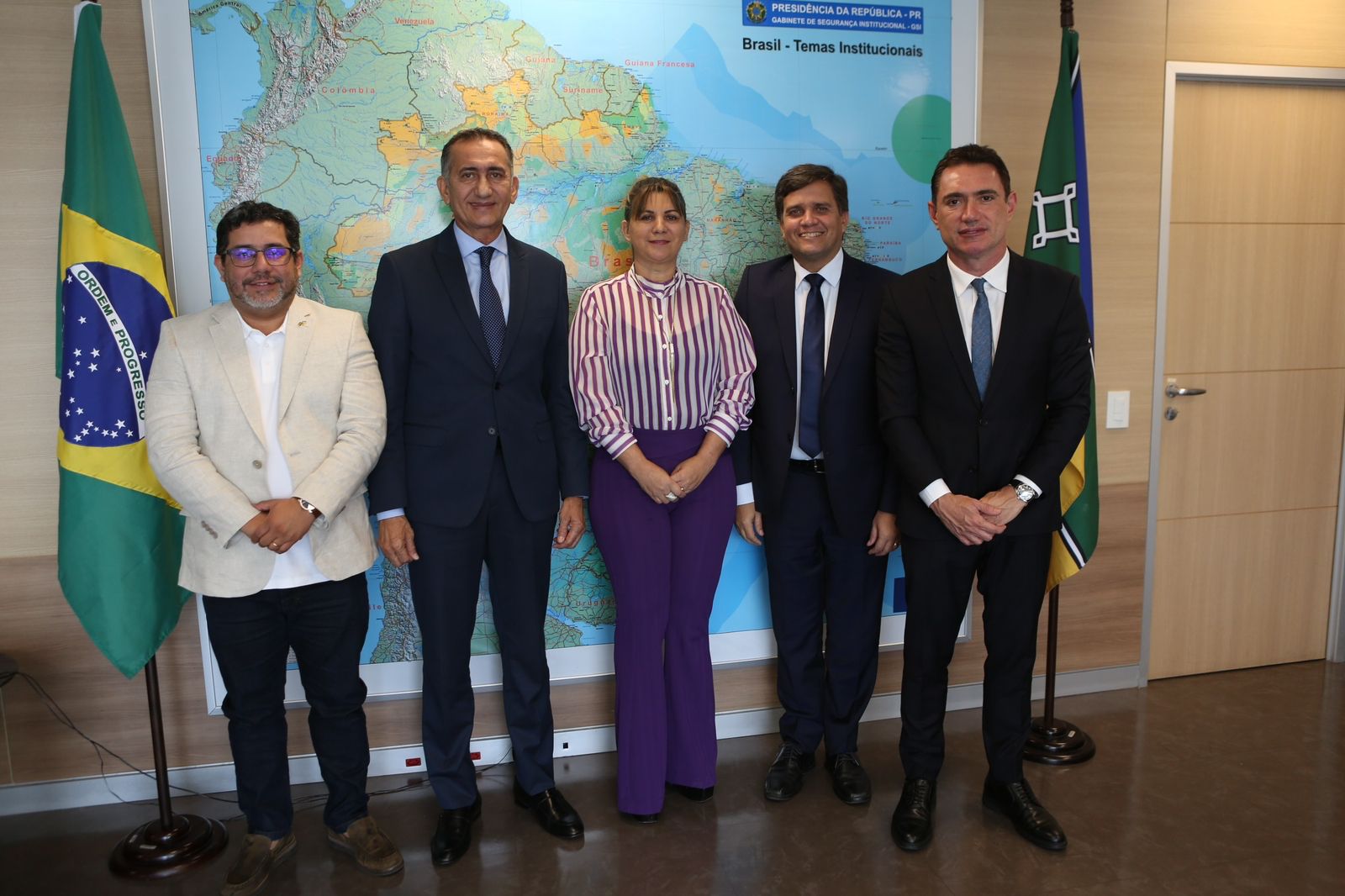

The Minister of Integration and Regional Development, Waldez Góes, Received on Wednesday (25) the Mayor of Almerim (Pará), Lúcia Carvalho.
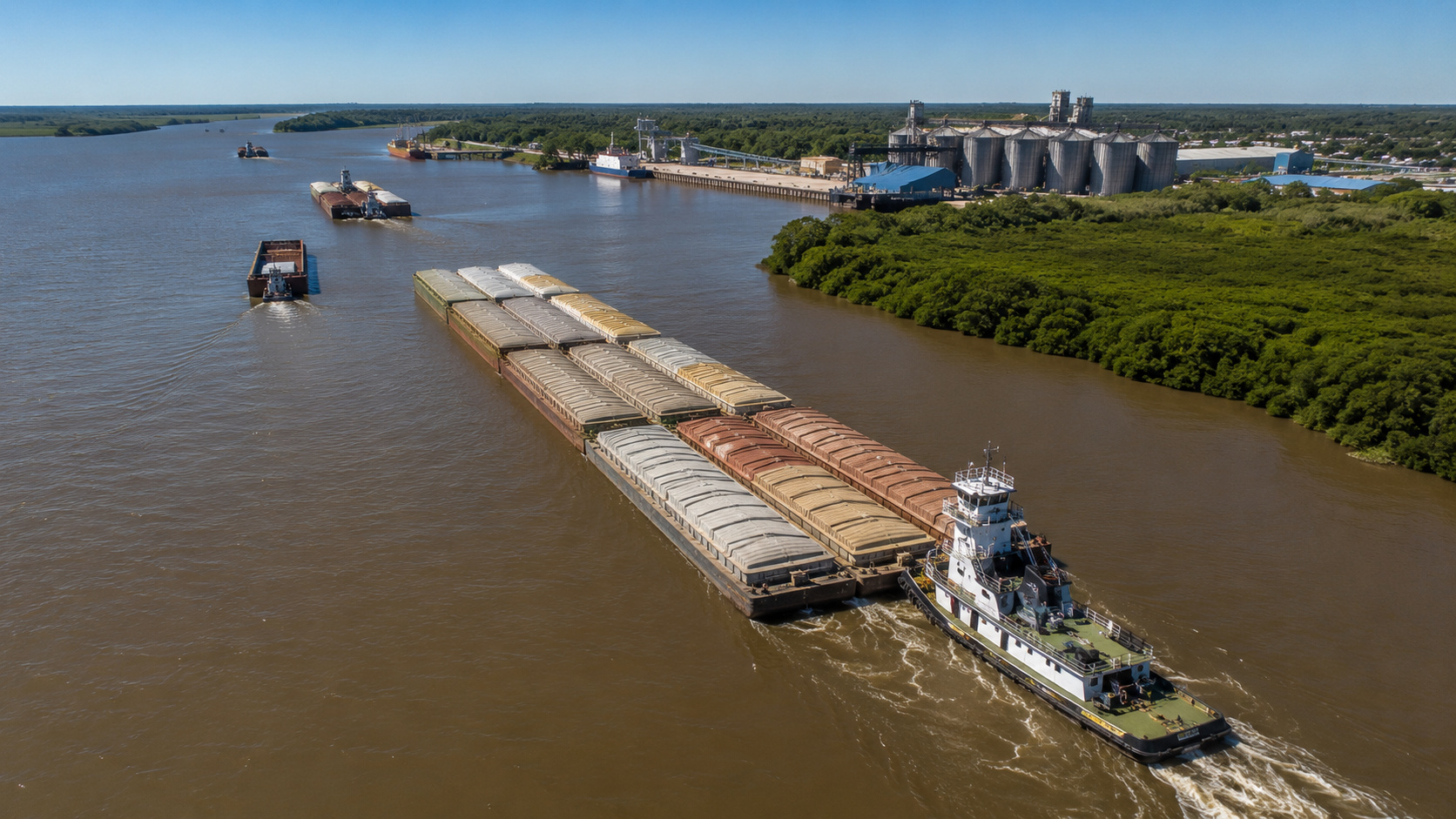
The agenda focuses on projects to promote the development of the border region between the state of Pará and Amapá.
Learn more details about the land integration between Amapá and Pará. One of the highlights is the possibility of land integration between Amapá and Pará via the connection of BR-156 with BR-254.
“This action has been thought of for decades and will facilitate the integration of the Amazon region, as well as potentially enhance trade in Northern Brazil and the integration with the Guiana Plateau and the Caribbean. The Ministry has the mission to structure projects with this vision of integration and regional development,” emphasized Minister Waldez Góes.
-
Why can the crane operator only obey the correct signalman on the construction site: among dozens of workers, a hand raised by the wrong person can confuse the maneuver and turn a load of tons into an immediate risk.

-
What changes with the new public transportation rules that can reduce pressure on fares and pave the way for zero fare in Brazil?
-
Driver who “holds” the left lane can receive a hefty fine and 4 points on their driver’s license even if they think they are going at the correct speed for the road.
-
São Paulo Government puts R$ 343 million on the table and releases 31 km of duplication, 9.84 km of third lanes, 4 reinforced viaducts, and 8 grade-separated returns.



During the meeting, the minister also presented the national strategy for integrated routes, highlighting the cocoa and milk route. The National Integration Route is a network of Local Productive Arrangements (APL) linked to strategic production chains, capable of promoting inclusive and sustainable development of production in the Brazilian regions prioritized by the National Regional Development Policy (PNDR).
Project Aims to Promote Regional Inclusion
The initiative aims to promote productive inclusion, innovation, and regional development through the sharing of information and exploration of collective synergies to facilitate the articulation of public and private actions in selected hubs to promote innovation, differentiation, competitiveness, and sustainability of the involved enterprises.
Currently, 11 routes are recognized by the federal government: açaí, biodiversity, cocoa, lamb, circular economy, fruit farming, milk, honey, fashion, fish, and information and communication technology (ICT). In Pala, there are five posts in operation.
There are three on the Açaí route: Baixo Tocantins, Marajó, and Northeast Pará; the Southeast Pará unit on the Honey Route; and the Transamazonica hub on the Biodiversity route.