Portuguese
  Spanish




São Borja-Santo Tomé International Bridge Affects Trade Issues Between Brazil and Argentina. Investment Is Positive for Both Countries.
The concession process for the São Borja-Santo Tomé International Bridge, which connects Brazil to Argentina, is advancing with important updates and indications of millionaire investment.
Last Friday, (31), a new tender was published, paving the way for the modernization of this strategic infrastructure, essential for the flow of goods and people between the two countries.
The tender outlines significant investments and improvements to ensure greater efficiency in traffic, with the proposal opening scheduled for April 4, in Foz do Iguaçu, Paraná.
-
New Smart Radar Begins Issuing Fines to Solo Drivers in Carpool Lanes, Uses Cameras to Count Occupants, Changing Traffic Enforcement Rules on Busy European Roads

-
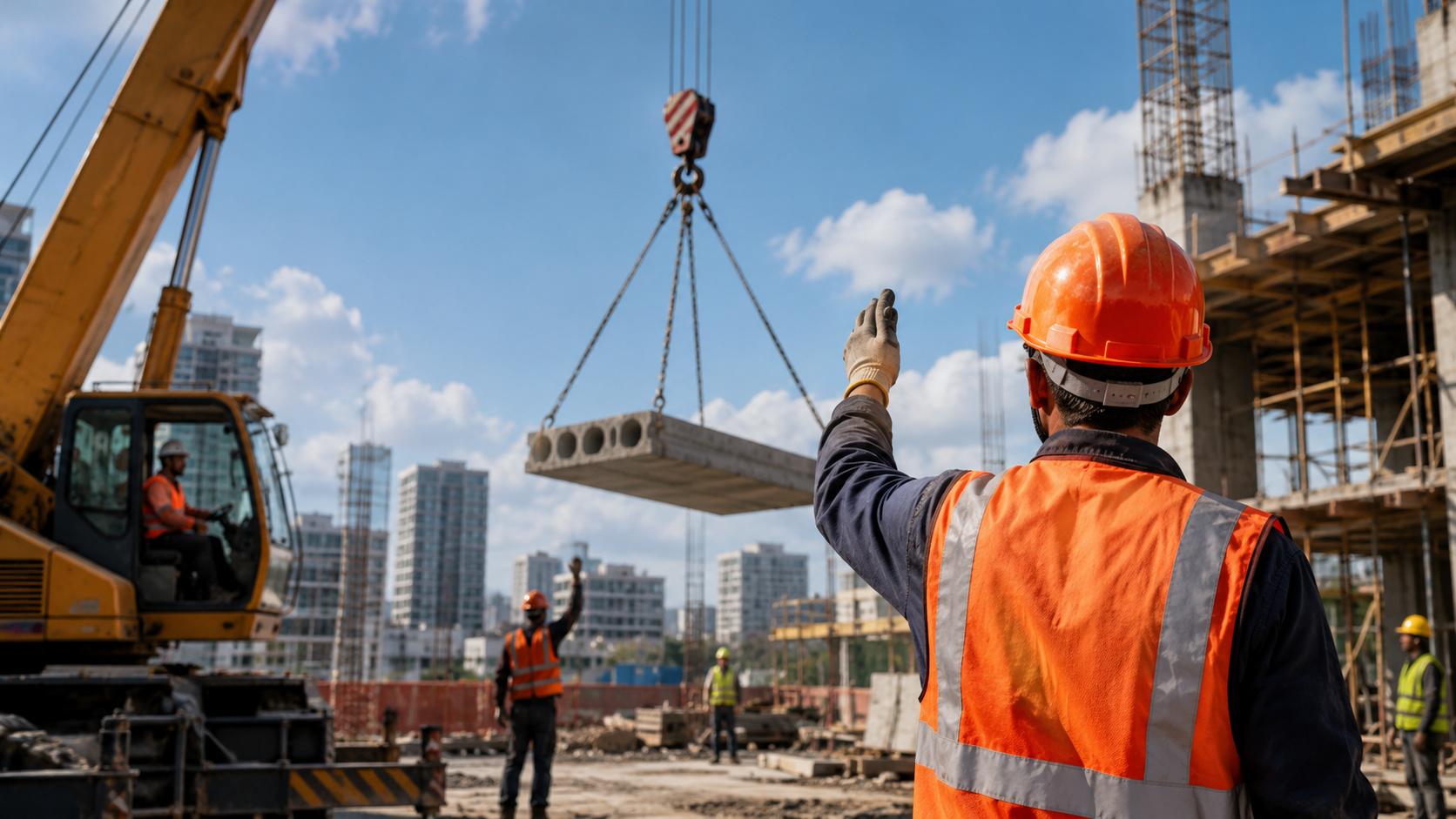
Why can the crane operator only obey the correct signalman on the construction site: among dozens of workers, a hand raised by the wrong person can confuse the maneuver and turn a load of tons into an immediate risk.
-
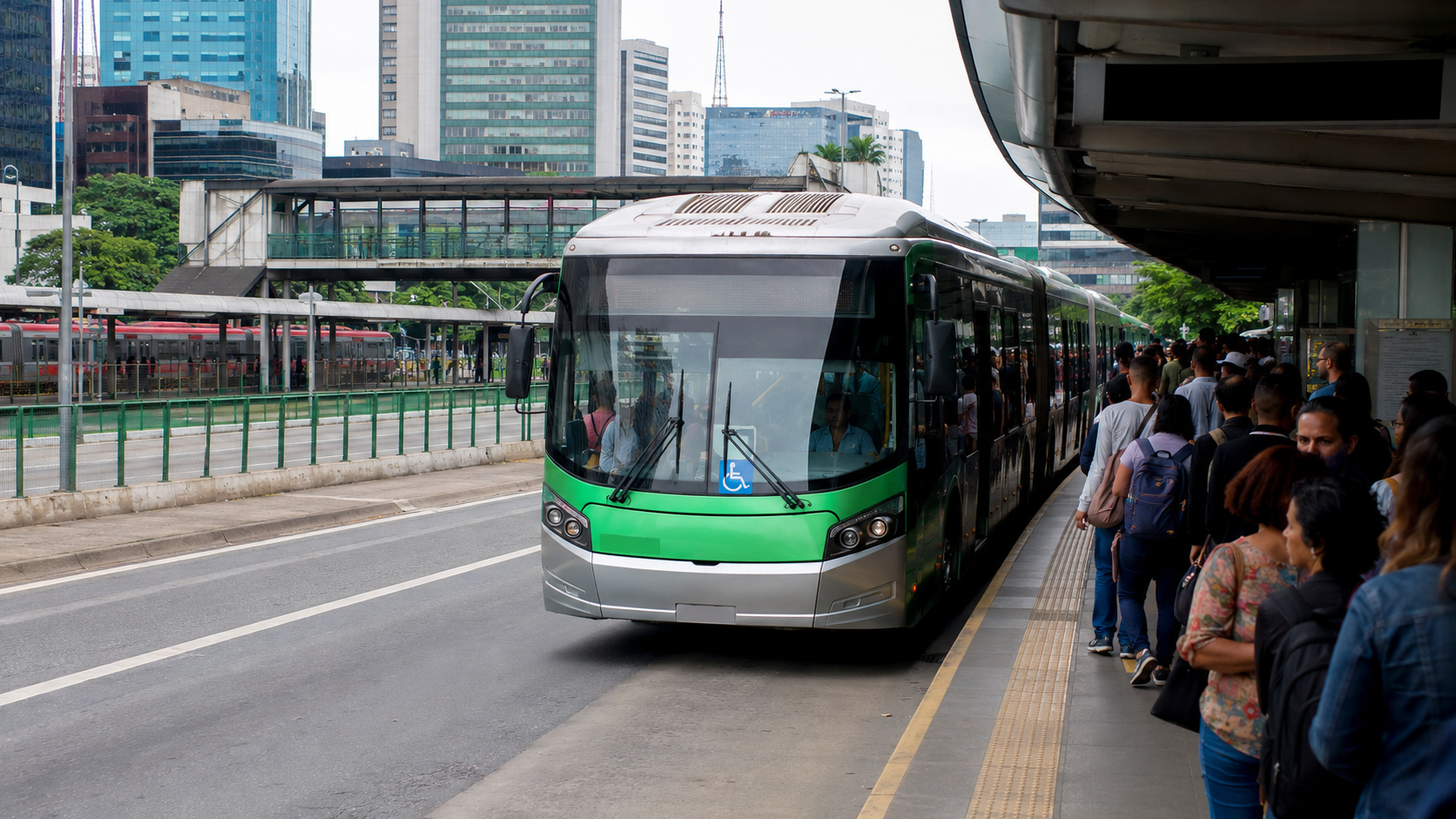
What changes with the new public transportation rules that can reduce pressure on fares and pave the way for zero fare in Brazil?
-
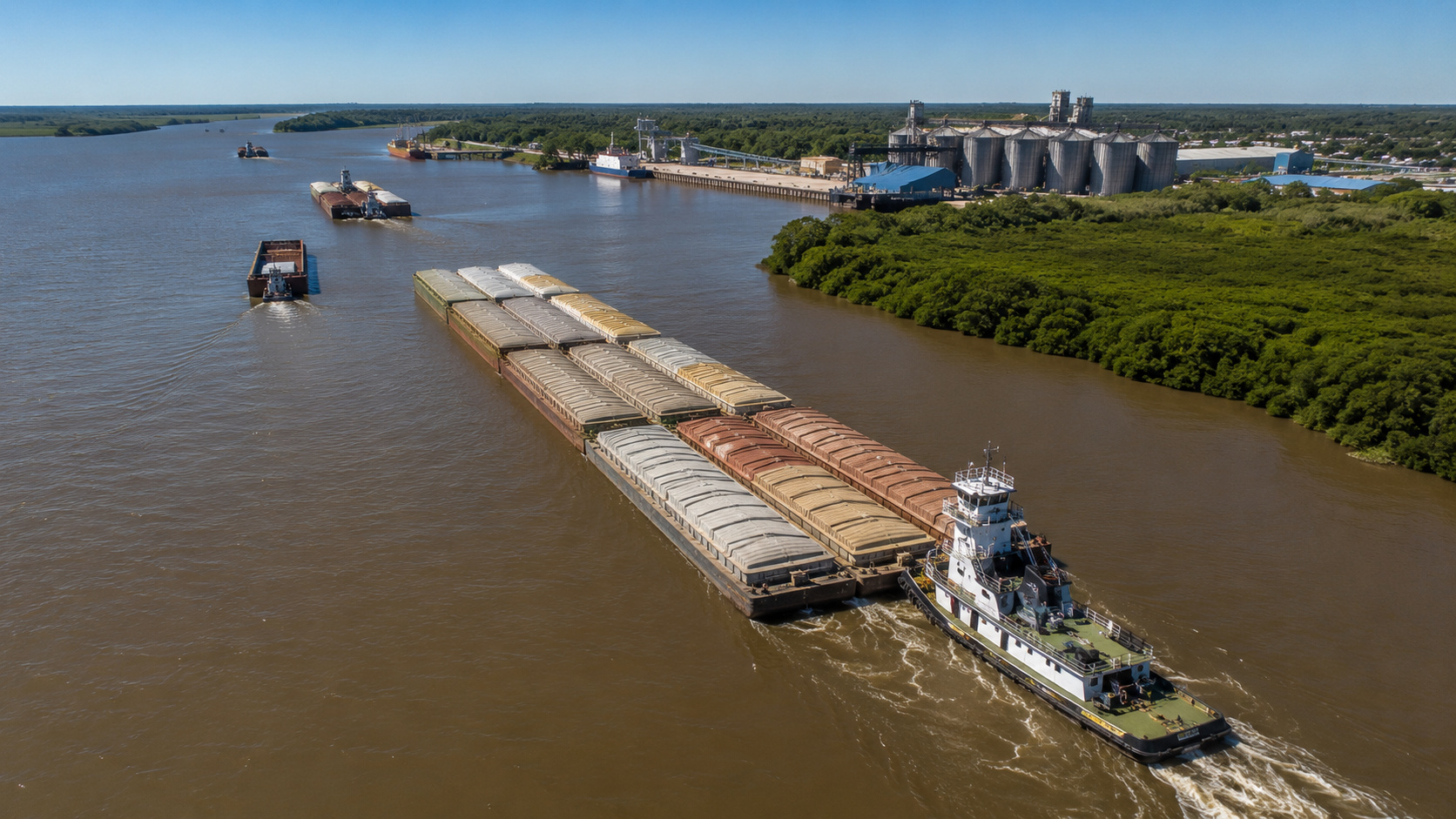
Argentina confirms Belgian giant to lead strategic Paraná River waterway and promises to reduce logistical costs on one of South America’s most important routes

History of the Bridge: Over 30 Years of Relevance for Trade and Tourism
The São Borja-Santo Tomé International Bridge is 15.62 km long, built based on a binational agreement between Brazil and Argentina, signed in 1989.
It connects the city of São Borja in Rio Grande do Sul to the municipality of Santo Tomé in the province of Corrientes, Argentina.
The bridge plays a vital role in international trade and is responsible for about 23% of commercial operations between the two countries. Furthermore, it facilitates 40% of commercial transactions between Brazil and Chile.
With the growing demand for more modern infrastructure, the new concession process aims not only to optimize the operation of the bridge but also to expand its capacity and improve regional logistics.
It is worth noting that the original concession contract was signed with the company Mercovia S.A., lasting 25 years, and expired in 2021. Since then, the concession has been extended through addendum terms.
In January of this year, the first auction for the concession of the bridge was canceled by the Federal Court of Accounts (TCU), but the publication of the new tender has brought renewed expectations for the modernization of the infrastructure.
The project provides for an investment of approximately US$ 99 million, a significant amount to be allocated for implementing structural and operational improvements.
The Ministry of Transport, together with the Itamaraty, is leading negotiations with Argentine authorities to ensure the viability of the concession contract.
The National Secretary of Road Transportation, Viviane Esse, highlighted the importance of the concession for both countries. She emphasized that the new concession model will bring a series of innovations that will directly benefit bilateral trade.
For Viviane, the concession “represents a significant advancement, bringing a more modern and efficient model for both countries.”
Investments and Improvements in the Project
The new concession contract for the São Borja-Santo Tomé International Bridge will last for 25 years and outlines a series of works and services aimed at enhancing the bridge’s infrastructure and ensuring greater traffic agility.
Among the main improvements planned are: constructing new access lanes, creating an area for seized vehicles, implementing an exclusive yard for trucks, and installing a new lighting system.
Additionally, the concession project will include the operation of the Unified Border Center (CUF), an important structure aimed at optimizing customs inspections and servicing cargo vehicles.
With the modernization of facilities and the expansion of services, traffic management efficiency will be substantially improved, providing a more agile experience for those crossing the border between the two countries.
Concession Model and Technological Innovations
The new concession model brings significant innovations for the operation of the International Bridge, with the introduction of tariff steps linked to investment (Capex), which will ensure greater transparency and predictability in costs for users.
Furthermore, the concession provides for the implementation of discounts linked to mandatory services, focusing on promoting competitiveness and encouraging the use of infrastructure.
Another important aspect is the creation of a Fund for Technological Development Resources (RDT), aimed at modernizing road infrastructure.
The fund will allow for the implementation of advanced technologies in traffic management and operational safety, providing continuous improvements in the efficiency of the São Borja-Santo Tomé International Bridge over time.
Now, we must wait until April 4, when the proposal opening will take place to turn the plan into reality.
With information from GOV Agency.