






 Portuguese
  Spanish


Grant Hilbert created an audience playing Farming Simulator on YouTube, studied agricultural business, bought a farm in Iowa for US$ 1.8 million, and took the rural routine to another channel, in a trajectory that mixes technology, financial discipline, family farming, and an uncomfortable question about new doors for young rural producers.
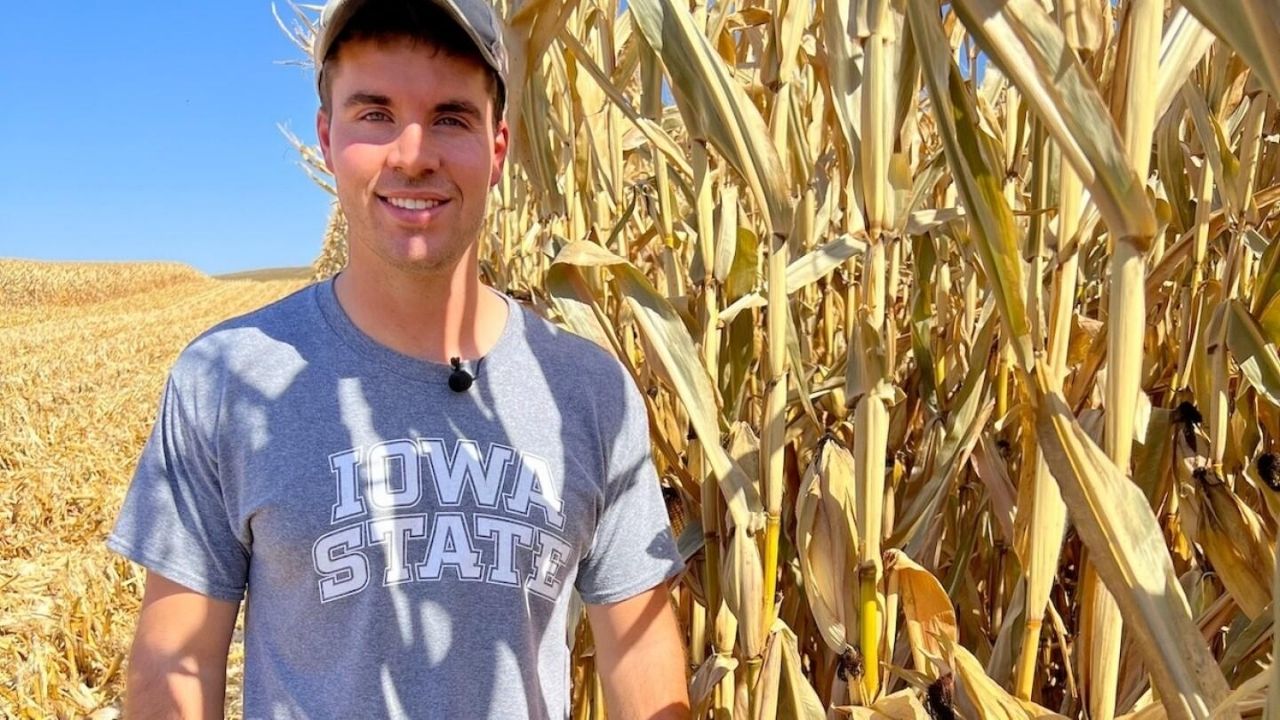
Grant Hilbert, a young man from Iowa who started recording Farming Simulator videos at the age of 15, transformed his interest in a virtual farm into a real agricultural operation. The trajectory, detailed by AgWeb on January 5, 2023, and also recorded by Iowa State University, involves YouTube, education in agricultural business, land purchase, and the cultivation of corn and soybeans in the United States.
The case mainly took place in Iowa, where Hilbert grew up near his family’s rural culture and later purchased agricultural areas in Mahaska County and Poweshiek County. In December 2020, after years of producing content, he began purchasing lands that would total about 250 acres valued at US$ 1.8 million.
How a game became a starting point for a real farm
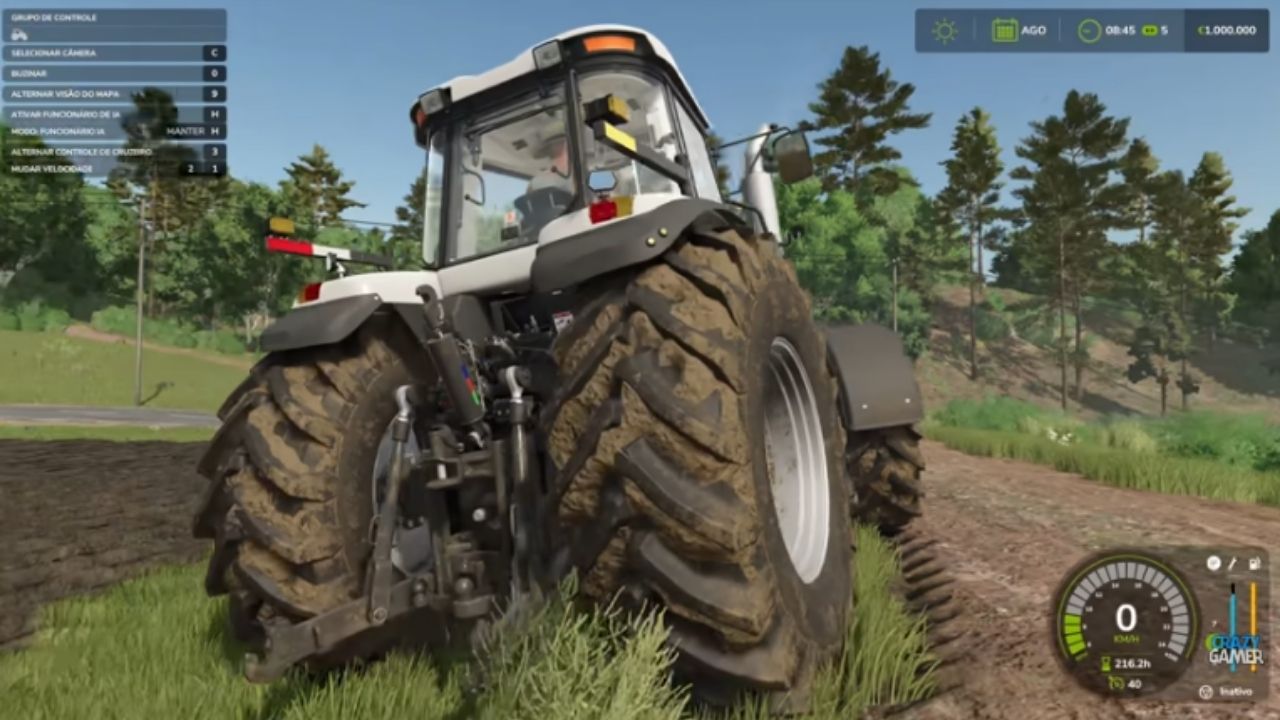
Before the farm purchased in Iowa, Hilbert was a teenager from Ankeny, in the outskirts of Des Moines, who spent part of his vacations in rural areas connected to his family. The dream of working in the field already existed, but the cost of land created a common barrier for many young people: wanting to farm does not mean being able to buy productive soil.
-
Santos Transforms Brazil’s Largest Stilt Slum with $5.7 Million Project, Replacing Shacks with Elevated Homes and Infrastructure

-
Motorcycle Accident Inspires World’s First Fully Automated Cassava Biscuit Factory Producing 1,000 Tons Monthly

-
Attention Brazilian Tap-to-Pay Users: Quick Transactions May Conceal Important Details Noticed Only Post-Purchase

-
Why Air Conditioning Remains Scarce in Millions of European Homes Despite Deadly Heatwaves, While Nearly 90% of U.S. Homes Have It


The turning point began when he and a friend created a YouTube channel called The Squad. Initially, the proposal mixed different games, but the audience responded more strongly to the Farming Simulator videos. From there, Hilbert understood that there was a rare bridge between digital entertainment and real curiosity about agriculture.
The discipline that turned views into capital
The growth didn’t come from a single video. During his teenage years and college, Hilbert started publishing frequently, often trying to maintain an almost daily routine. While other young people experienced university in a more traditional way, he directed his free time to videos, financial learning, books, podcasts, and business opportunities.
Upon entering Iowa State University, where he would graduate in Agricultural Business Management and Economics in 2020, Hilbert already had tens of thousands of subscribers. The channel continued to grow: it went past 100,000, then 300,000, advanced to 600,000, and reached 1 million subscribers during his graduation period. The farm didn’t exist on paper yet, but the financial path was already beginning to appear.
The purchase of 250 acres and the leap to the field
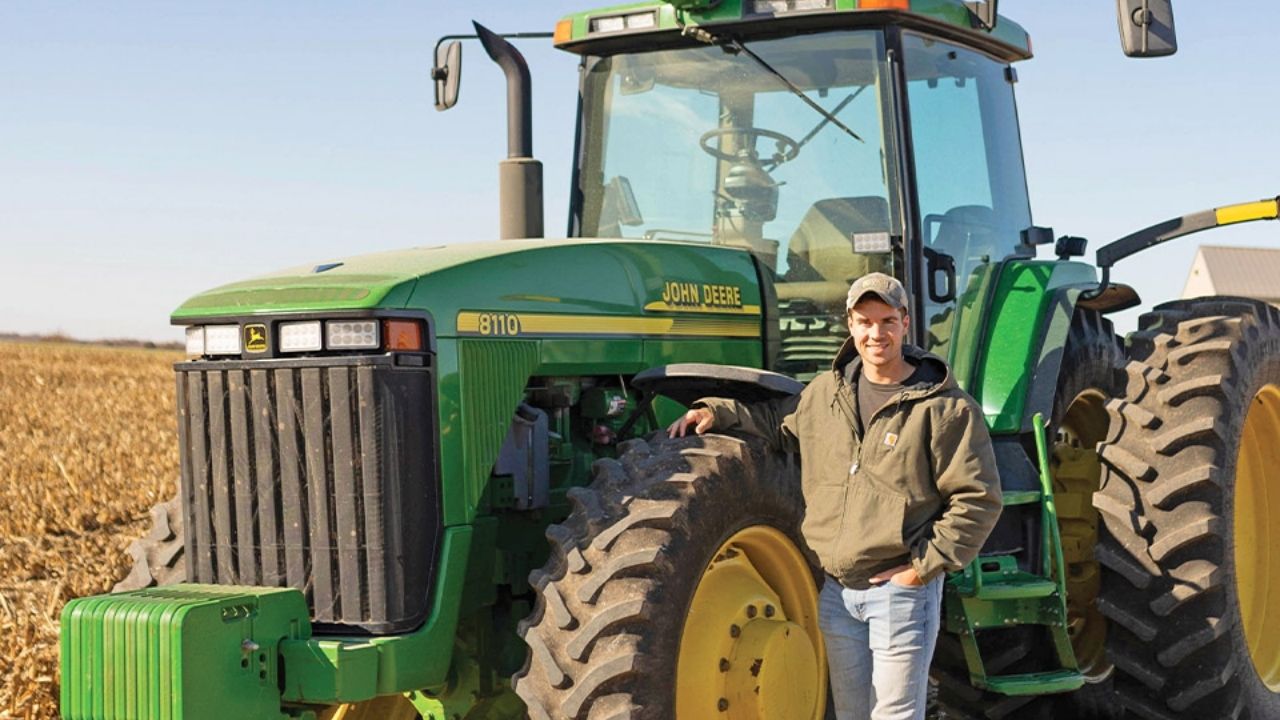
With the income generated by YouTube and the accumulated resources, Hilbert began looking for farmland at auctions and purchase opportunities. The first acquisition occurred in December 2020, with 120 acres in Mahaska County. Then came new areas in Poweshiek County, reaching a total of approximately 250 acres.
Iowa State University records that the total value was around US$ 1.8 million and that a significant part of the down payment came from the money obtained from the videos. Another part was covered by investment in Bitcoin. The detail that makes the story unusual is precisely this: a real farm financed by an audience formed around a digital crop.
Corn, soybeans, and a routine away from the screen
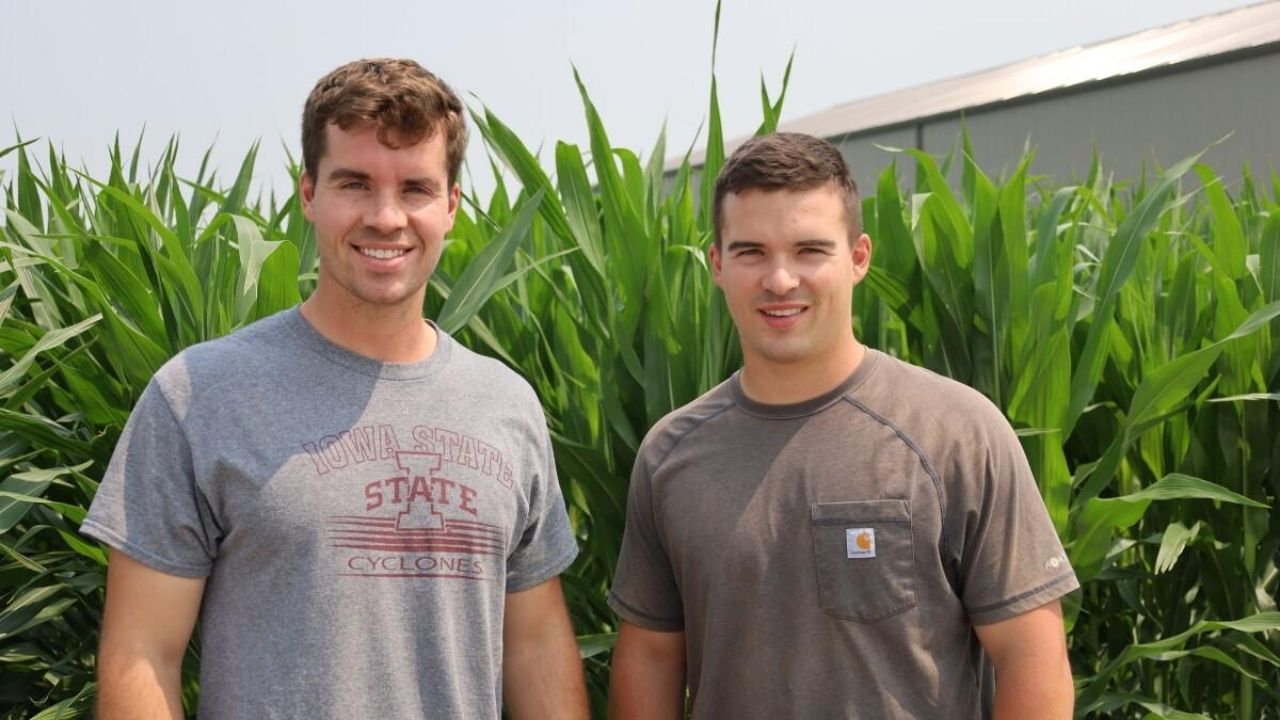
After the purchase, Hilbert didn’t just stick to the rhetoric of “leaving the game for real life.” He and his brother, Spencer Hilbert, started cultivating corn and soybeans on the acquired lands. Spencer, who graduated in economics and finance from Iowa State University, appears in the story as important support in the mechanical and operational part of the property.
The first crop in the new areas was planted in the spring of 2021. With this, Hilbert created another channel, now with his own name, to show the real farm routine. The proposal changed: instead of just entertaining with virtual machines, he began to record decisions, mistakes, repairs, planting, harvesting, and behind-the-scenes of someone trying to build an agricultural operation from scratch.
What history shows about the internet and agriculture
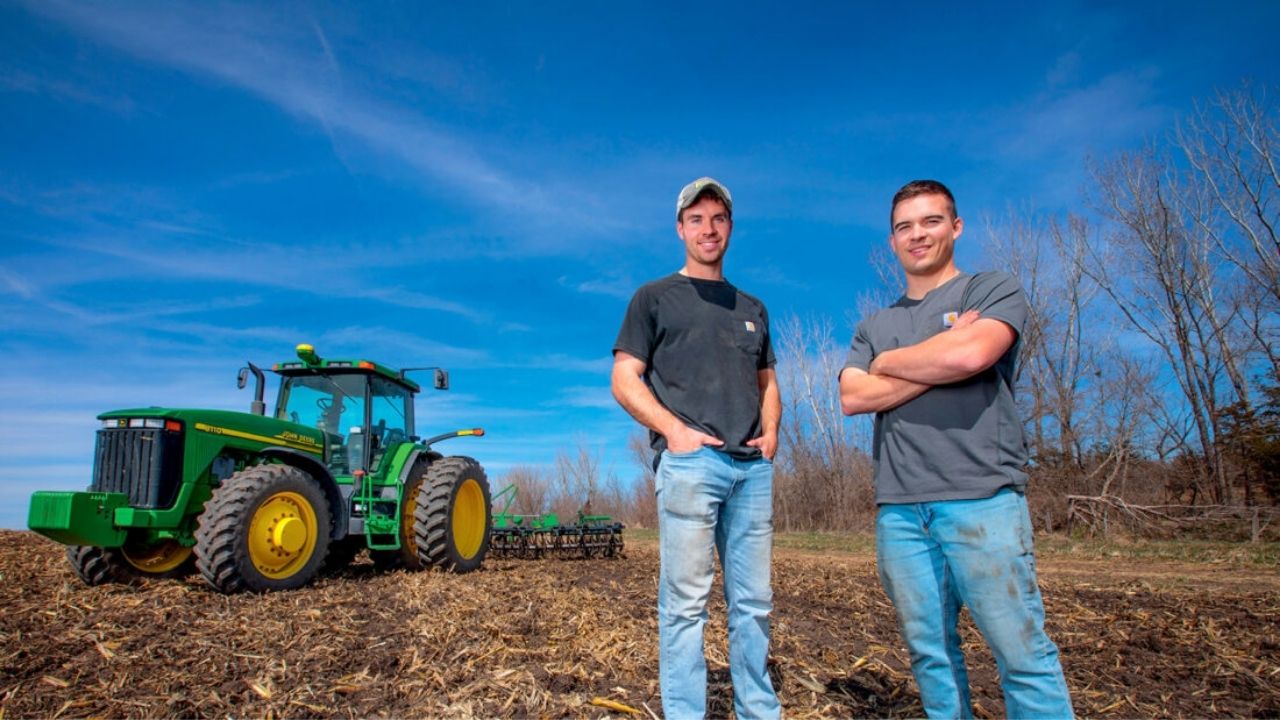
Hilbert’s journey draws attention because it does not present the internet merely as a showcase for fame. In his case, the platform worked as a leveraging tool: audience, monetization, publishing discipline, and reinvestment were combined to enable entry into a sector known for requiring high capital.
This does not mean that any young person can easily follow the same path. Agricultural land is expensive, the digital market is competitive, and success on YouTube depends on consistency, audience, and monetization. Even so, the purchase of the farm in Iowa shows that new entry routes into the field can emerge outside the traditional models of inheritance, credit, or family partnership.
Two channels and an agricultural games company
Besides the farm, Hilbert also started working with a software company related to agricultural simulation games. The proposal of American Farming, mentioned by AgWeb, was to create an experience focused on Midwestern American agriculture, with properties, cities, brands, animal breeding, and operations inspired by the rural daily life of the United States.
This point helps explain why the story is not just about a “player who got rich.” Hilbert built an audience because he knew the subject, liked agriculture, and realized there was an audience for this content. The game was the gateway, but the central interest was always in the farm, the machines, the crops, and rural life.
Why This Case Goes Viral So Much


The strength of the story lies in the contrast. On one side, a teenager recording videos in his bedroom. On the other, a 250-acre farm growing corn and soybeans in Iowa. Between these two extremes, there are seven years of constant production, college education, financial choices, and a precise reading of the growing interest in rural content on the internet.
There is also an element of identification. Many young people like the countryside but cannot see a concrete way to enter agriculture. The Hilbert case does not eliminate the difficulties but raises a question: if traditional farming requires capital, family network, and access to land, what digital paths can help form the next generation of producers?
But the case also divides opinions. For some, it is proof of discipline, vision, and intelligent use of the internet. For others, it is an exception difficult to replicate in an expensive and competitive agricultural market. And you, do you think stories like this show a new door for young people in the countryside or are they too rare to become a real path?


