






 Portuguese
  Spanish
  6 min of reading
  0 comments


The stone is the noble opal, and the place is Pedro II, in the northern part of Piauí, the only source of the gem in Brazil. Its rainbow shine is born from a rare phenomenon underground. And, according to estimates from miners, most of this wealth has not yet been extracted from the ground, which keeps the legend of the sleeping treasure alive.
It is worth a fortune and changes color before your eyes: this rare jewel is the noble opal, and it is buried in a small town in Piauí called Pedro II. This is the only deposit of precious opal in Brazil, a gem so rare that, with this quality, it is found in few places in the world, notably Australia and Ethiopia, which puts the small northeastern municipality on the international map of precious stones.
The topic regained prominence in May 2026, amid projects seeking to map and certify the origin of these stones. The opals of Pedro II date back about 200 million years, according to geologist Érico Gomes, professor at the Federal Institute of Piauí. And there is a detail that fuels the imagination: according to estimates from local miners, much of this treasure would still remain underground, waiting to be extracted, although there is no precise official number on how much remains.
Why the opal is such a rare jewel

The gem only forms when silica-rich solutions fill cavities in the rocks and, over millions of years, leave microscopic silica spheres organized in a perfectly ordered three-dimensional arrangement underground, a true whim of nature, as researchers define it.
-
Federal Police involved in the case to identify the person responsible for hacking the Civil Defense system, which sent ten false alerts, frightened residents of different capitals, and turned messages about real risks into notifications with “misanthropy” and even alien attacks.

-
Extreme drought causes ghost village to reappear at the bottom of the reservoir that supplies Athens, revealing houses, a school, and ruins swallowed since the 1980s as the lake shrinks and exposes the water crisis threatening the capital of Greece.

-
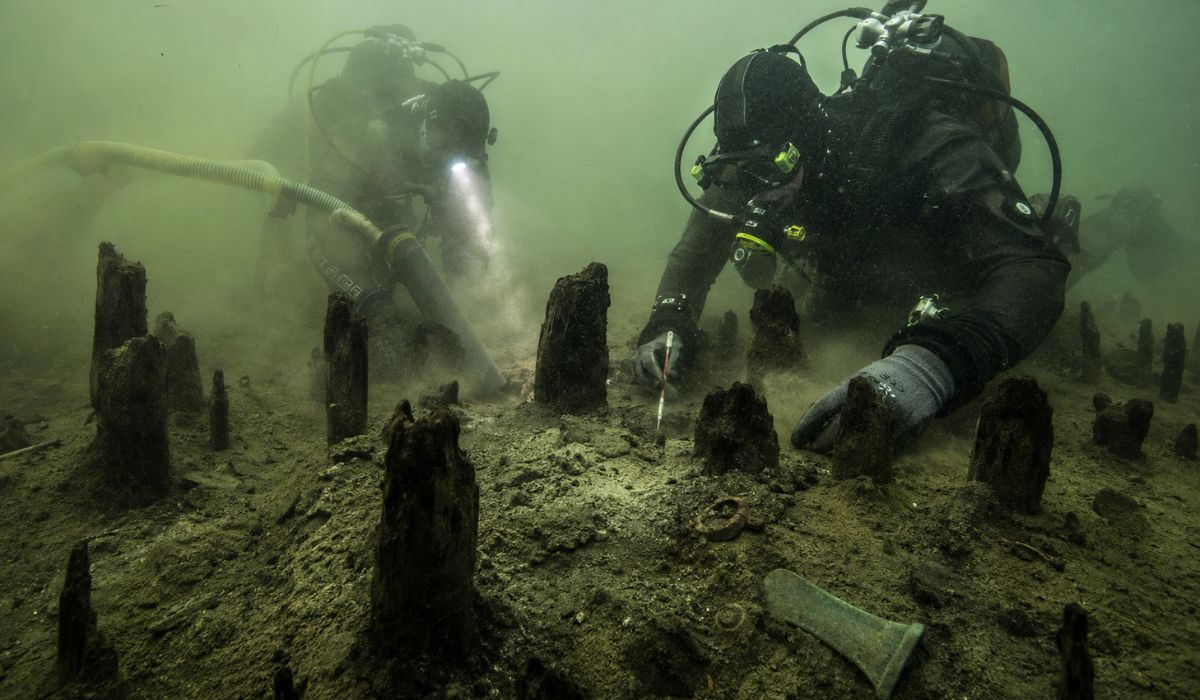
An entire village lay asleep at the bottom of a lake for 3,000 years: divers suction sediments in Italy and reveal more than 600 wooden stakes, bronze tools, and traces of a Bronze Age settlement hidden underwater.
-
They call it the “Shopee house” and even cardboard, but the R$ 20,000 house is a certified Wood Frame from Alea, financed by Minha Casa Minha Vida: understand if it’s worth more than masonry.


It is this structure that creates the famous play of colors.
When white light passes through the tiny spaces between the silica spheres, it splits into the colors of the visible spectrum, in a physical phenomenon called diffraction.
The result is multicolored reflections that seem to change depending on the angle of observation, transforming each stone into a small matrix of light, capable of displaying shades ranging from blue to red in the same gem.
The Distinctive Feature of Pedro II Opals
What makes the opals from Piauí special is not just their beauty, but the way they originated.
Unlike Australian opals, which have a sedimentary origin, those from Pedro II have a hydrothermal genesis, formed from the meeting of sandstone with diabase, an igneous rock that provided the thermal energy necessary for the process, according to a study published in the Journal of the Piauí Academy of Sciences.
This peculiar origin gives the local stones unique gemological characteristics, with good transparency and stability.
In Pedro II, various types are found, such as the light opal, the most frequent, the boulder opal, the matrix, and the rare black opal.
It is worth noting, however, that opal is not an absolute exclusivity of three countries: there are occurrences in other parts of the world, such as the United States, Mexico, and Ethiopia, but the high-quality noble gem is rare, and in Brazil, it only appears in Pedro II and its surroundings.
A Brazilian Rarity of Global Value

The country accounts for about 3% of the world’s opal production, and all of it comes from Pedro II, while Australia dominates the sector with the majority of production, having its deposits exploited since 1870.
Even so, the Piauí reserve is pointed out by some sources as one of the largest in the world.
Despite the modest volume, the quality and beauty of Pedro II opals give them great value in the luxury and jewelry market.
The stone has ceased to be just a mineral to become a cultural, economic, and tourist symbol of the municipality, which even earned the affectionate nickname “Piauí’s Switzerland,” due to the mild climate of the mountains.
The city’s Winter Festival, in fact, is one of the biggest showcases of these gems and the locally produced artisanal jewelry.
From Raw Rock to Fine Jewelry
Transforming the raw stone into jewelry requires meticulous artisanal work.
The process begins with the careful extraction of rocks in the mines, to avoid fracturing the colored veins hidden in the sandstone, followed by a visual screening under direct light to identify the intensity of the play of colors and the potential value of each fragment.
Only then does the stone proceed to cutting.
The lapidaries use diamond discs to remove excess rock and shape the gem, usually in the cabochon form, that smooth, rounded surface that enhances light refraction.
After a final polish, the stones are delivered to jewelers, who set them in gold and silver pieces with exclusive designs.
In Pedro II, this chain drives a significant part of the local economy and employs many families, being the main activity of the city.
Science and protection for the Piauí treasure
The future of Pedro II’s opals depends on research and sector organization.
Projects conducted by the Federal Institute of Piauí, in partnership with the Federal University of Pará, work to map the geological and gemological “DNA” of the opals, which would allow for the authentication and certification of the Piauí origin of the stones, further enhancing the product in the international market and combating fraud.
The region also has a Geographical Indication registered since 2012, a seal that recognizes and protects the origin of the opals and the artisanal jewelry of Pedro II, similar to what happens with famous wines and cheeses.
This type of recognition helps ensure that the wealth generated remains in the region, strengthening cooperativism among miners, lapidaries, and jewelers, and encouraging more organized and sustainable exploration.
A treasure that is Brazil’s pride
Behind the stones’ shine, there is a story of national identity.
The fact that Brazil hosts, in a small municipality in the interior of Piauí, one of the most coveted and rare gems on the planet is a source of pride and shows how the Brazilian subsoil holds riches little known by most of the population, far beyond the more traditional minerals.
The opal of Pedro II is a reminder that Brazil, a mineral giant, has treasures ranging from large iron deposits to rare precious stones hidden in the hinterland.
Valuing, researching, and protecting this heritage is essential not only for its economic value but also for its cultural significance for an entire city that lives, shines, and prides itself on its opals, keeping alive a tradition that spans generations.
The noble opal of Pedro II is one of those rare jewels that seem to come out of a legend: a stone that changes color, is worth a fortune, and is born from a very rare geological phenomenon in the heart of Piauí.
More than mineral wealth, it represents culture, identity, and the often unknown potential of the Brazilian subsoil.
If the miners’ estimates are correct and a good part of the treasure still sleeps beneath the earth, the best of this story may just be beginning, provided it is explored with science, organization, and respect for the environment and the people of the region.
And you, did you know about the opal of Pedro II, this rare jewel hidden in Piauí? Were you surprised to learn that Brazil is home to one of the rarest stones in the world, alongside Australia and Ethiopia? Leave your comment, tell us if you’ve ever seen an opal up close, and share the article with those who love precious stones, geology, and the natural riches of our country.




Be the first to react!